A Haneda to Narita airport transfer is a journey between two separate airports. Choose your connection first, then the transport that makes it workable.
THE QUICK ANSWER
Choose a direct airport coach when its departure, luggage rules and terminal stops fit your flights. Compare a suitable through train when you can manage your bags and the actual timetable works. Request a private vehicle when an agreed pickup and a confirmed passenger-and-luggage layout would help. In every case, count arrival procedures, waiting, the journey and the second airport’s departure procedures separately. A short driving time does not establish a safe flight connection.
Transport and airline sources checked 16 October 2026. Times and fares below are dated references, not live availability or a promise that a connection can be made.
01 · TWO AIRPORTS, ONE CLEAR PLAN
Haneda to Narita airport transfer: what are you actually booking?
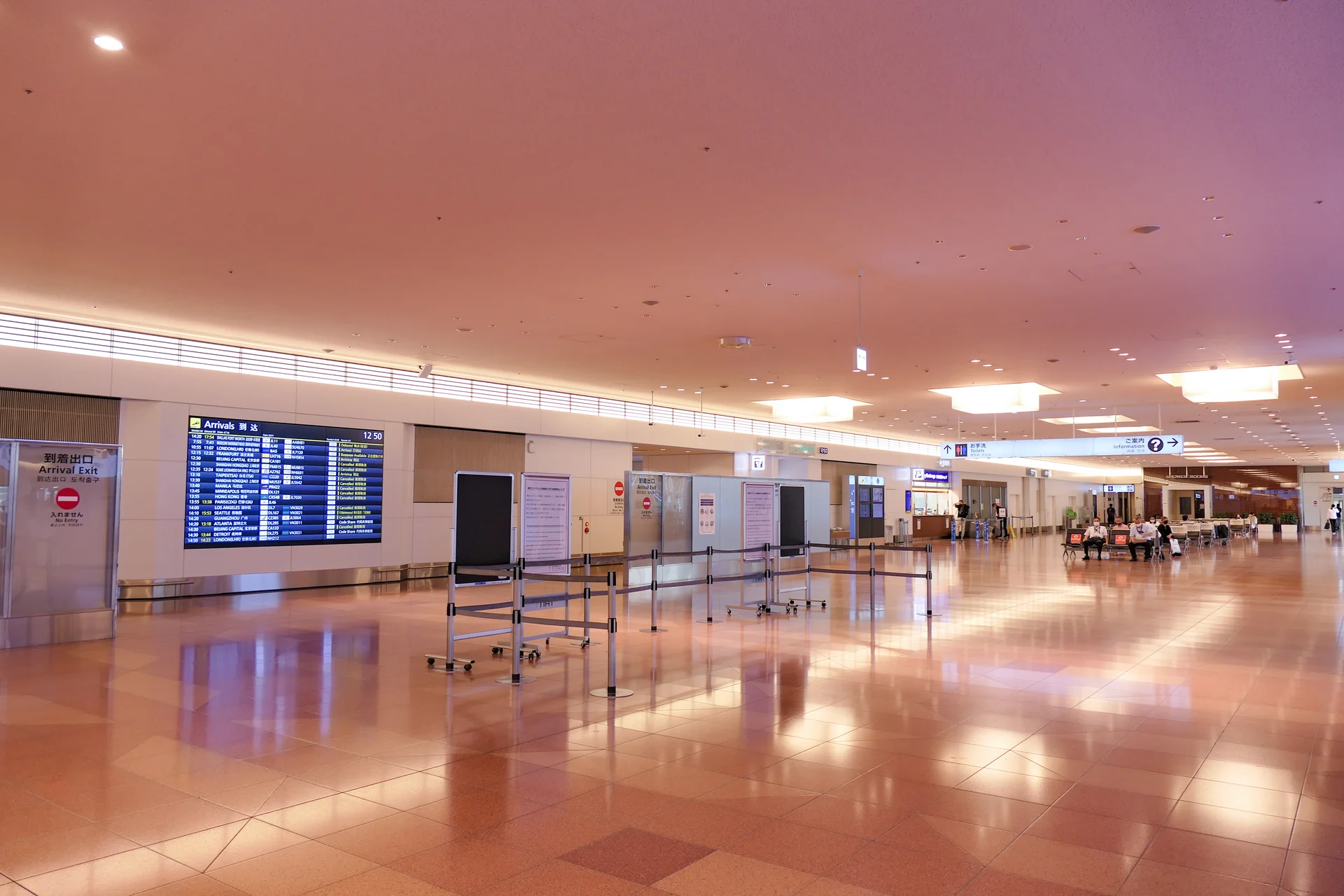
Start with the airport codes on both flight confirmations: HND is Haneda; NRT is Narita. A booking labelled “Tokyo” can still require a change of airport. Record the date and local time for each flight, including an overnight change of date, before comparing any train, bus or car.
There are three different jobs a traveller might mean by “transfer”: moving between terminals within one airport, travelling between HND and NRT, or getting from an airport to a Tokyo hotel. This guide covers the second. For the hotel journey, use our Haneda airport transfer guide or Narita airport transfer guide.
Write down both terminals, not just both airport names
Your meeting point, railway station and coach stop depend on the terminal. Ask the airline which terminal your specific flight uses and check again before travelling. Do not choose a Haneda terminal purely from the airline name or from the fact that a flight is international. Save the official airport map with your flight details so the whole group follows the same plan.
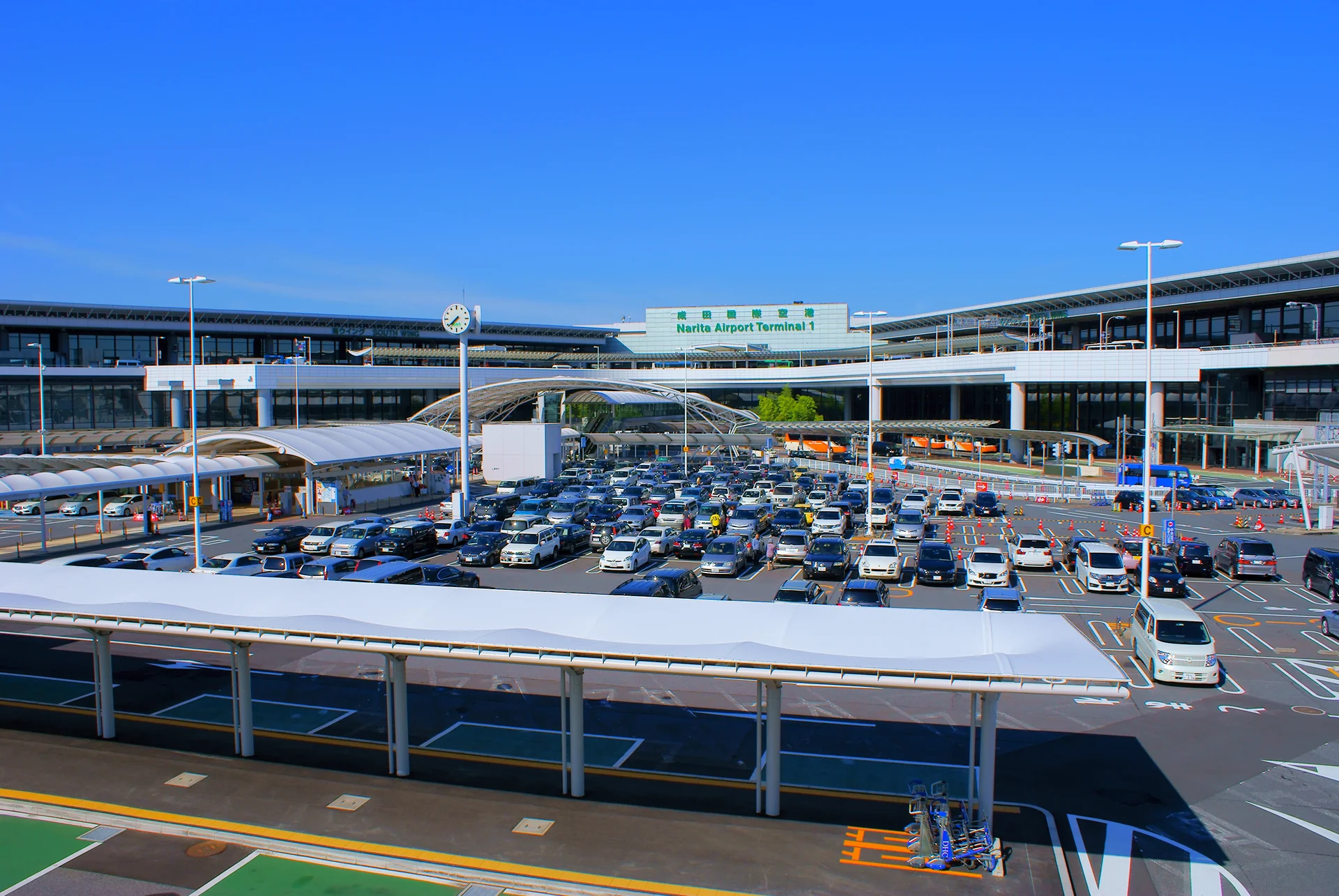
At Narita, Terminal 1 has Narita Airport Station; the station serving Terminals 2 and 3 is at Terminal 2. Travellers using Terminal 3 need the connection between the terminal and station. The airport’s station-to-terminal guide is a better reference than a fixed walking time copied from an old blog.
02 · COMPARE THE COMPLETE JOURNEY
Train, limousine bus or private car between Haneda and Narita?
The most useful comparison is the trip from the first airport’s public arrival area to the correct departure terminal at the second. A station-to-station journey, a coach’s scheduled running time and a car’s estimated driving time describe different portions of that trip.
| Option | What you gain | What still needs checking | Price basis |
|---|---|---|---|
| Airport Limousine Bus | A scheduled terminal-to-terminal coach; luggage goes in the hold. | The exact departure, terminal stops, space for the party and baggage acceptance. Road delays remain possible. | Current route page: adult ¥3,600; child ¥1,800. Check ticket conditions. |
| Through train / connecting rail | A rail option that avoids road congestion. Some departures require no change of train. | The actual train destination, any transfers, terminal access and how your group will carry the bags. | Fare for the selected complete route; any reserved-service supplement is separate where applicable. |
| Booked private vehicle | A pickup and drop-off arranged for your group, with the full load agreed beforehand. | Vehicle layout, meeting instructions, waiting policy, tolls, parking, late-hour charges and cancellation terms. | A written whole-vehicle quotation for the actual airport pair; availability must be confirmed. |
| Taxi / ride app | A possible direct road journey when a suitable vehicle is available. | Pickup zone, enough luggage space, the final fare basis and whether the estimate includes all fees. | Metered fare or the specific booked product. An app estimate is not a TokyoVia quotation. |
Coach fare source: official Haneda–Narita timetable. Checked 16 October 2026. Private-car pricing is by request; no unconfirmed TokyoVia fare is presented here.
Solo traveller, manageable bags
Compare the next suitable train with the next usable coach. A lower ticket price matters less if reaching the correct platform or waiting for that departure consumes the connection margin.
Family or a group with several cases
Compare a coach that accepts the load with a specified private vehicle. Decide who supervises children, keeps travel documents accessible and moves each bag at every stage.
03 · A DIRECT COACH
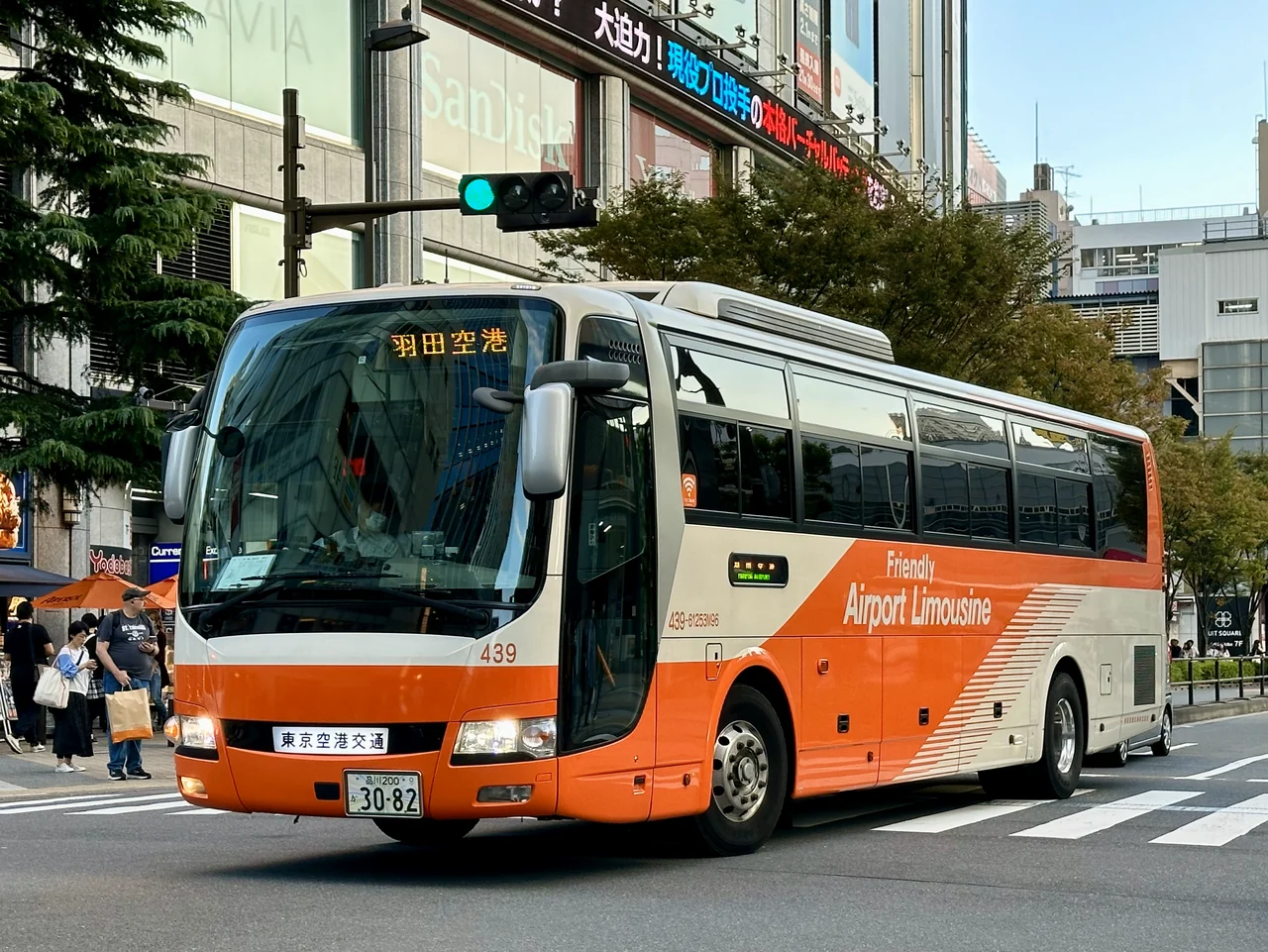
Haneda to Narita airport bus: tickets, terminals and luggage
A direct coach can be a straightforward choice when your flight and the timetable align. The important word is align: buying a ticket does not remove the time between leaving the arrival hall and boarding the next usable bus.
Read the row for your terminal and travel date
Open the operator’s current Haneda-to-Narita route page and read across the same departure row. Check your Haneda boarding terminal and your Narita arrival terminal, not just the first and last times displayed. A blank or passing-stop symbol is not a pickup. Recheck the reverse-direction timetable if you are travelling from Narita to Haneda.
The Haneda airport access summary lists an indicative coach journey of 65–85 minutes. Do not apply that range to every terminal pair or departure: the operator’s individual timetable rows can show a longer scheduled trip. Road conditions can add further time. Use your chosen row and a sensible disruption allowance when planning.
Separate a voucher from a confirmed departure
Ticket products can have different reservation, redemption and change conditions. Before paying, establish whether you are choosing a particular bus, buying a voucher that needs another step, or accepting a product with restricted changes. Keep the instructions somewhere accessible without depending on a fresh email download at the airport.
If a flight arrives late, do not assume any purchased ticket automatically moves to the next coach. Check the rules for that booking channel and ask the operator what to do. A flexible ground ticket and a flexible airline ticket are separate matters.
Measure the cases before choosing the coach
Airport Limousine’s published baggage guidance permits up to two hold items per person, each within 50 × 60 × 120 cm and up to 30 kg. Ask the operator about unusual equipment, mobility aids or anything outside the stated limits. Keep essential travel documents and valuables with you, rather than packing them where you cannot reach them.
Compare the party total
Using the adult reference fare above, two adults cost ¥7,200 and four adults cost ¥14,400 for one coach journey. These are arithmetic examples, not private-car prices. Compare the whole group with an inclusive vehicle quotation, then consider the timetable and luggage fit. Check the operator’s child-ticket rules for your party.
04 · CHECK THE ACTUAL TRAIN
Haneda to Narita by train: through services and common mix-ups
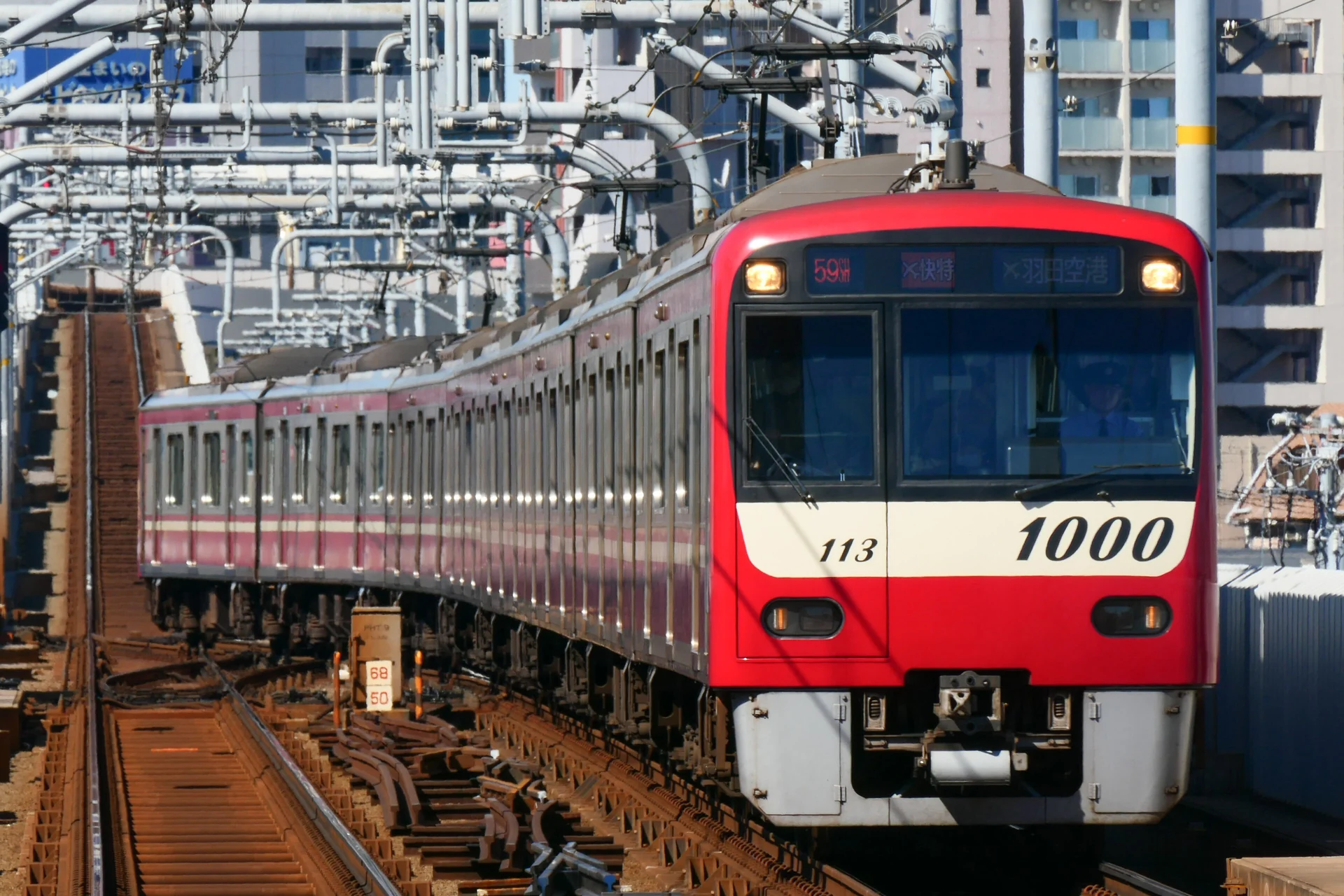
Keikyu’s Haneda–Narita guide confirms that travel without changing trains is possible, while warning that the number of those departures is limited. A route search for your date and time matters more than a general statement that the airports are connected.
The through route involves the Keikyu, Toei Asakusa and Keisei networks. Follow the destination and service shown for your chosen departure; a train entering one of those networks does not by itself prove that you can remain aboard to the other airport.
“Direct train” does not mean “any airport express”
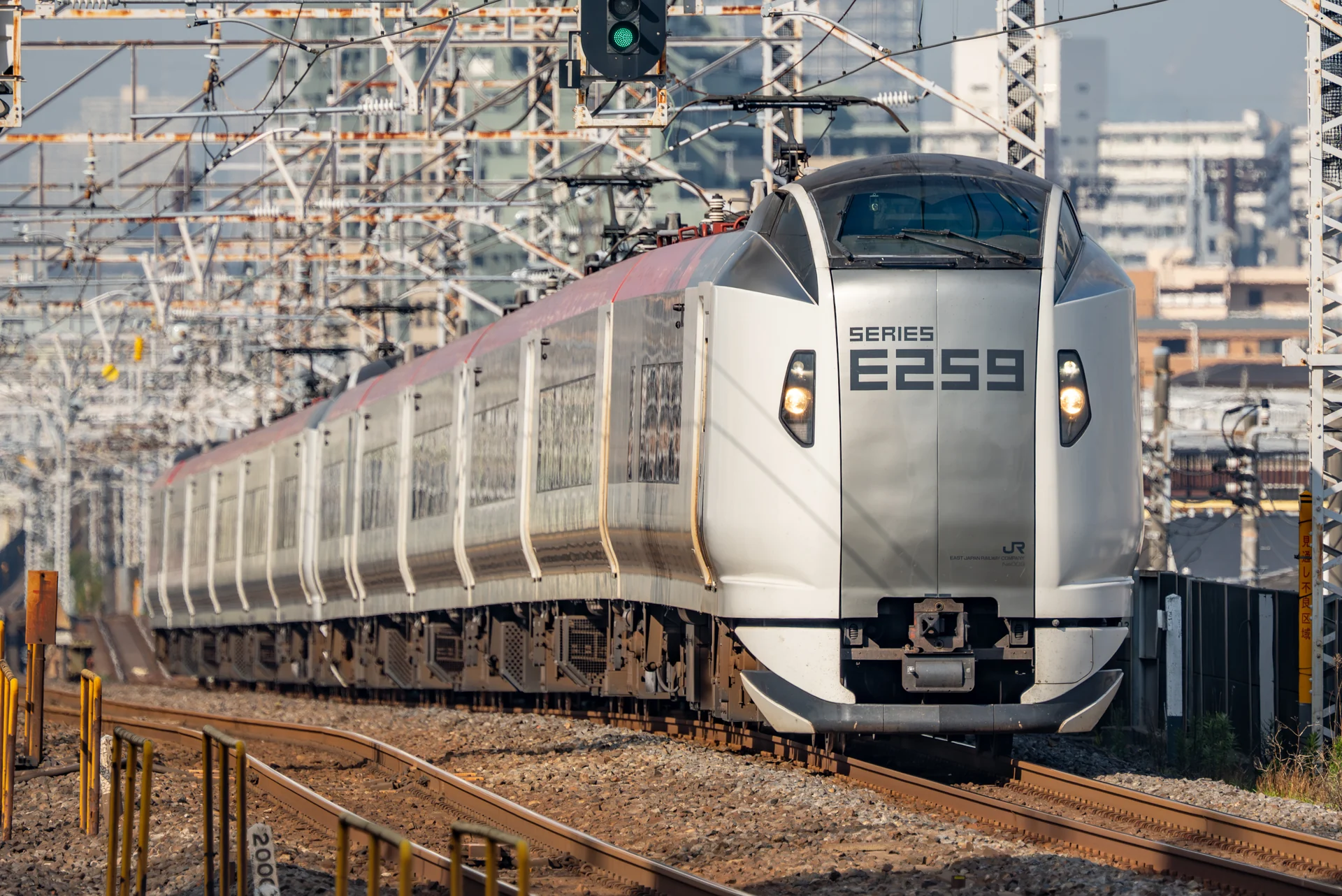
Narita Express and Skyliner are names you will encounter in Tokyo airport searches. Do not select one just because it is labelled an airport train. Check whether the whole itinerary reaches your second airport, which other trains it needs and where you change. For this journey, an apparently fast express leg may still leave a substantial connecting journey.
Make the comparison with the correct stations at both ends. Haneda Terminal 3 and Haneda Terminals 1·2 have different Keikyu stations. At Narita, select the station corresponding to the departure terminal. Walking from a platform to an airline counter belongs in your plan, even when a route search ends at the airport station.
Check rail fares and the practical load
Haneda’s airport summary shows a broad rail reference of 90–115 minutes and ¥1,760–¥3,080 for the listed route options, with different IC-card figures. These are not a single fixed fare for every terminal and train. Use the official fare and time search for the full itinerary, ticket type and departure you will use.
Count every bag your group will have to manage through gates, lifts and platforms. Do not assume the through service has the same reserved seating or dedicated luggage arrangements as a different premium airport train. If one adult needs both hands for cases, decide who can safely manage the children and directions.
Save a second workable departure or route, particularly when the first option depends on a specific through service. The alternative should be something your whole group can realistically use, not simply the next line that appears on a phone screen.
05 · A FLIGHT CONNECTION IS MORE THAN A RIDE
How much time do you need between Haneda and Narita flights?
There is no single minimum that this article can approve for every ticket. The answer changes with the operating carriers, international or domestic sectors, terminals, baggage arrangements and the protection attached to the booking. Ask the airline or the agent that issued the ticket to assess the complete itinerary.
The examples below show why “three hours is enough” is an incomplete answer. They are selected published airline conditions, checked on 16 October 2026, rather than recommendations to book the shortest permitted connection.
| Source / itinerary | Published time | Scope to confirm |
|---|---|---|
| ANA Group: domestic → international, HND–NRT | 180 minutes or more | The cited table is limited to ANA Group-operated connections; verify your operating flights. |
| ANA Group: international → domestic, HND–NRT | 180 minutes or more | Confirm the applicable direction, terminals and ticket conditions with ANA. |
| ANA Group: international → international, HND–NRT | 210 minutes or more | Do not substitute the domestic/international figure for this connection type. |
| JAL Group domestic → JAL international, HND → NRT | 180 minutes or more | The category on the JAL boarding page is specific to these flight types. |
| JAL Group domestic → another airline international, HND → NRT | 210 minutes or more | Other combinations need their own airline confirmation. |
Sources: ANA check-in and connection notice and JAL international boarding procedures. Airline requirements can change. Meeting a published minimum does not guarantee that a particular trip will run to schedule.
One ticket and separate tickets need different questions
Ask who is responsible for helping if the first flight is delayed and the connection is missed. Do not infer that buying two flights from the same website gives them the same disruption protection. Have the airline or issuing agent explain the conditions in writing, particularly for a self-arranged airport change.
Also distinguish your preferred arrival time at the departure terminal from the airline’s final check-in, baggage-drop and boarding deadlines. Arriving at the terminal just before the aircraft’s scheduled departure is not a workable target. Use the required deadlines from your operating airline and add time to navigate the building.
Build the connection from five separate blocks
- Arrival: leaving the aircraft and completing the applicable arrival formalities.
- Landside preparation: collecting the party, using necessary facilities, finding the stop or meeting point and waiting.
- Ground transport: the complete terminal-to-terminal journey, including any rail changes.
- Departure: reaching the right airline counter, rechecking baggage where required, security and boarding.
- Disruption margin: room for a late inbound flight, queues, a missed ground departure or a slower journey.
Keep those blocks visible when comparing flight options. Otherwise a one-hour road estimate can quietly become a one-hour connection assumption.
06 · LEAVE WITH THE WHOLE GROUP
Immigration, checked baggage and the public arrival area
An international arrival followed by a ground journey to another airport is different from remaining in an international transfer area. Check the entry requirements for the passport you will actually use. Living in the United States, Singapore, Australia, South Korea, Hong Kong or Taiwan does not establish your nationality or entry eligibility.
Use the Ministry of Foreign Affairs visa information and the relevant Japanese diplomatic mission before relying on an airport-change itinerary. This guide does not decide whether an individual passenger can enter Japan. If an entry question remains unresolved, settle it before committing to the flights or the ground booking.
Do not assume your checked bags change airports for you
JAL’s boarding guidance specifically tells travellers changing between Haneda and Narita to collect baggage and check it in again. ANA likewise identifies the need for baggage check-in at the international departure airport when the domestic arrival airport differs. Confirm the arrangements for both of your operating flights, even if an initial bag tag shows the final destination.
Before leaving the arrival area, check that the group has every case and essential item. A missing suitcase or a baggage-service report changes when you are ready for transport. Notify a booked provider promptly; do not wait until an agreed waiting period has already expired.
Give the provider an observable pickup trigger
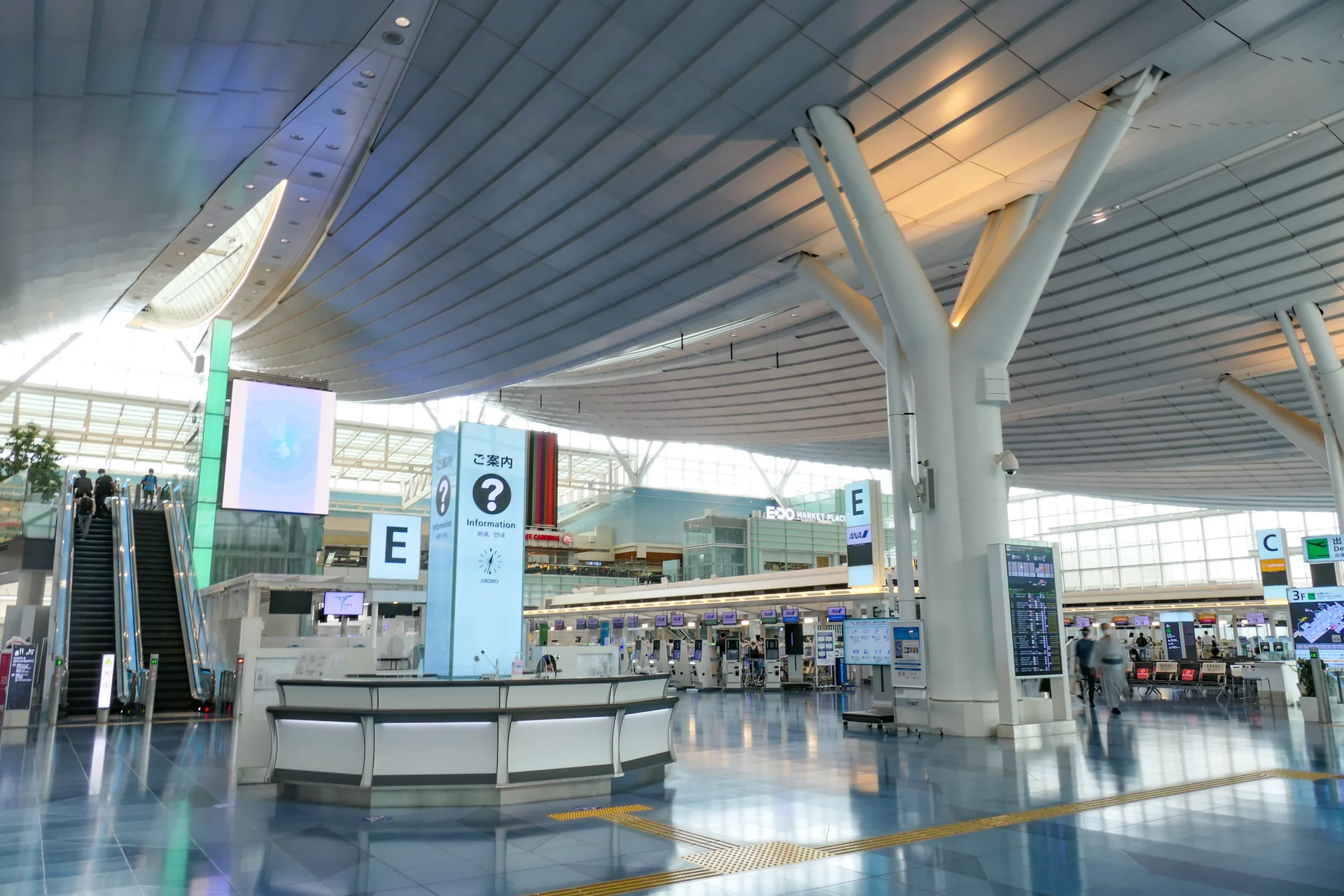
For a private booking, clarify whether a waiting allowance begins at scheduled landing, actual landing, the agreed meeting time or another defined event. Ask what contact method to use once the group is in the public arrival area and what happens if baggage is delayed.
A message saying “we have landed” and a message saying “we are outside customs with all bags” describe different stages. Agree which one the provider needs. Save the contact details and meeting instructions in advance, with a fallback if mobile data does not work.
07 · A VEHICLE THAT FITS THE CONNECTION
When a private Haneda to Narita transfer makes sense
A private vehicle is worth comparing when several people need to move together, when the load is awkward for public transport, or when clear meeting arrangements would simplify the journey. Its advantage is an agreed service for your party. It cannot remove an airline deadline, immigration queue or road disruption.
These are driver-operated arrangements, rather than self-drive car rental. Ask for the airport pair and terminals to be written into the quotation; an airport-to-Tokyo city fare is not automatically a price for HND to NRT.
Private Sedan, Private Van or Private Big Van?
Choose by people and equipment together. A vehicle described as having enough seats may still be unsuitable for the same number of travellers with large cases, a folded stroller and child seats. Ask the team to confirm the proposed layout before booking.

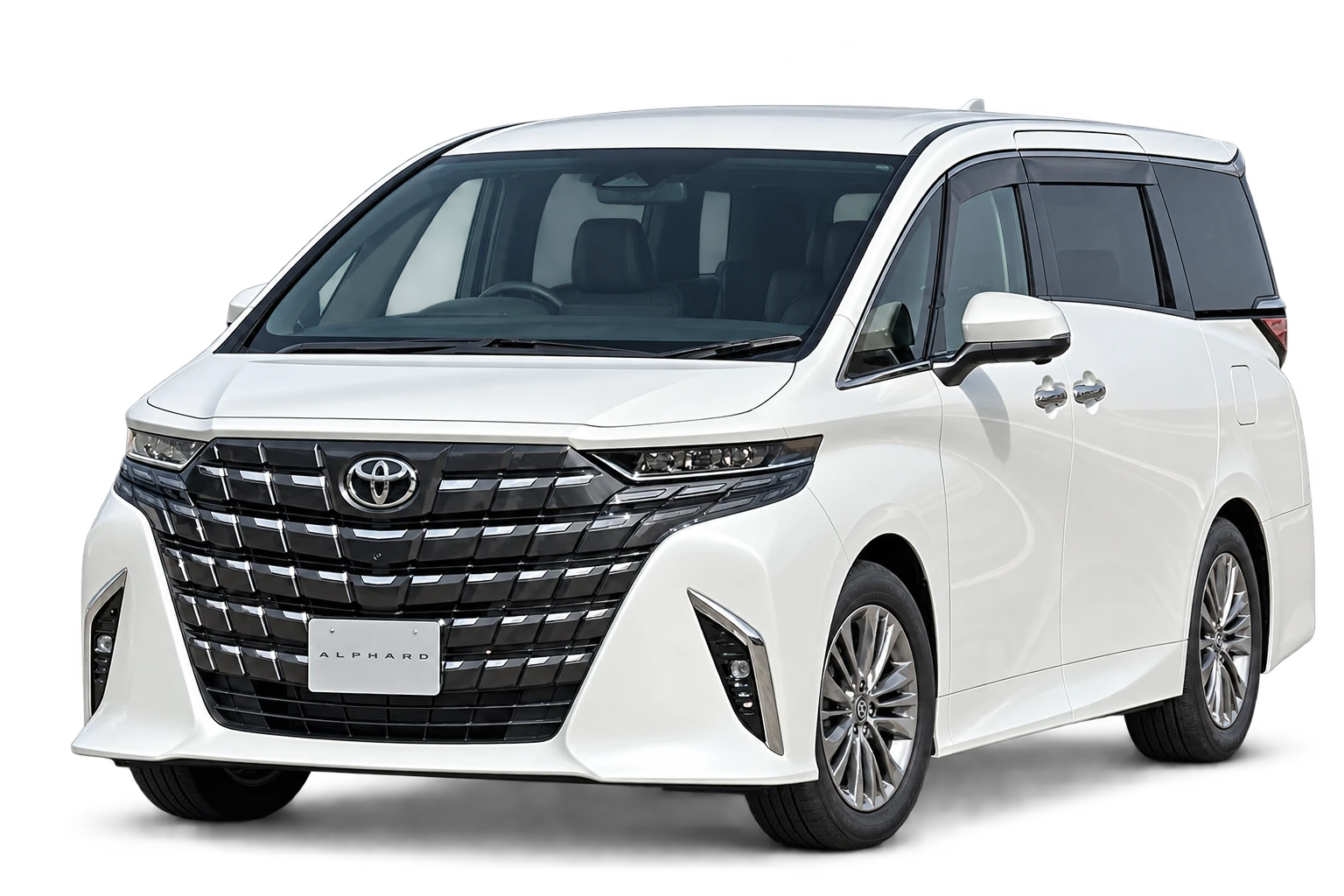
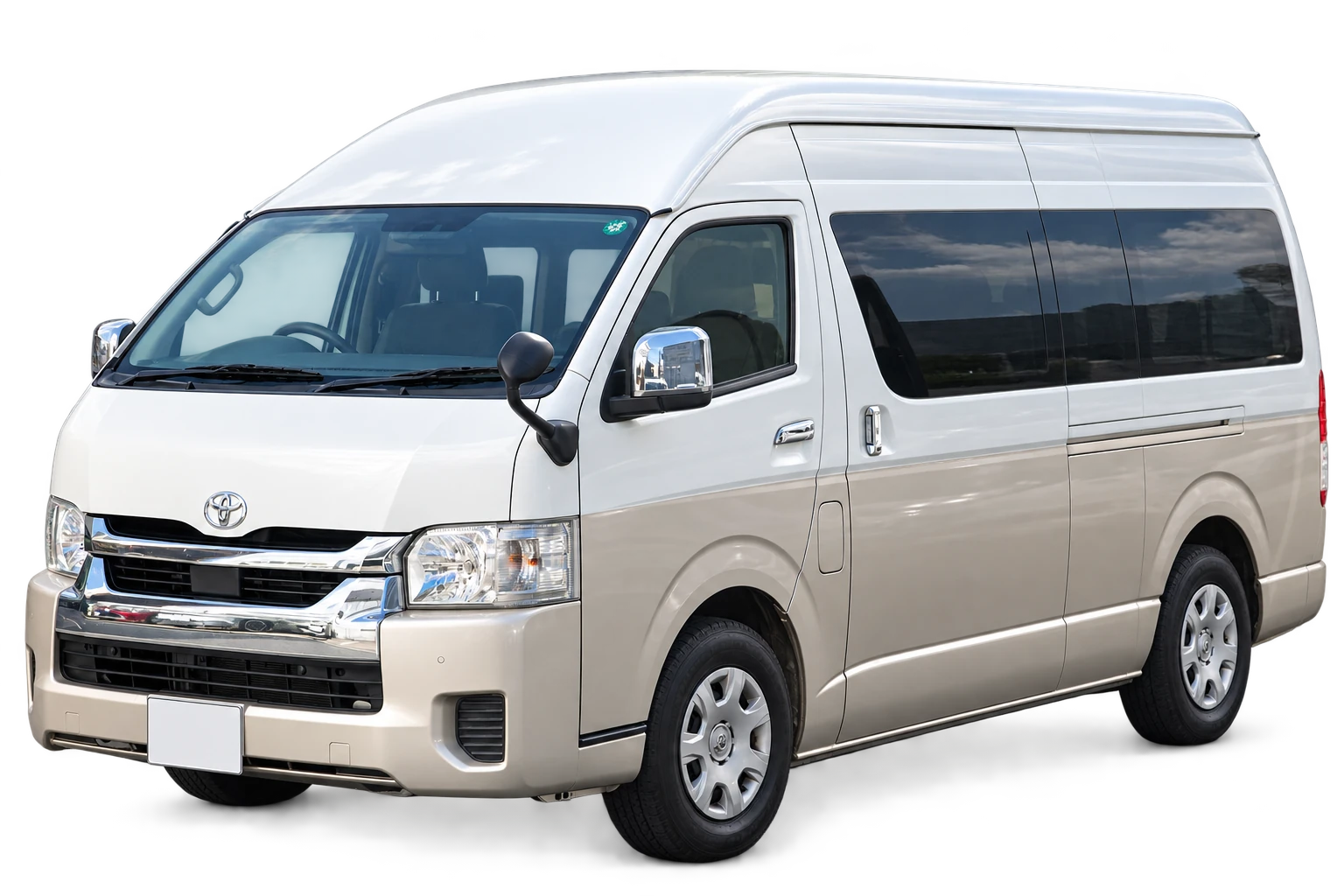
Vehicle images are existing AI-assisted adaptations of licensed model photographs. They illustrate vehicle types; they are not photographs of the actual dispatched fleet or a guarantee of model, seats or luggage capacity.
For a fuller explanation of comparing the load and layout, read our Private Sedan, Van and Big Van guide.
Get the waiting and total-price terms in writing
- Which airport, terminal and meeting place does the quoted pickup cover?
- What waiting allowance is included, when does it start and what is charged afterwards?
- How are late flights, baggage delays, cancellations and missed meetings handled?
- Are expressway tolls, airport parking and relevant early- or late-hour fees included?
- Does the confirmed vehicle suit the cases, children and boarding requirements?
- If English-speaking support or an English-speaking driver is important, what is confirmed for this booking?
Do not assume flight monitoring, a particular language, a child-seat type or round-the-clock availability is included unless it is expressly agreed. Confirm the booking before treating a form submission as a transport reservation.
A CLEAR REQUEST, A PRACTICAL QUOTE
Tell us about your airport change.
Send both flights, terminals, dates, passenger numbers and luggage. The team can discuss the requested vehicle and arrangements; availability and terms are confirmed before booking.
08 · MAKE THE ASSUMPTIONS VISIBLE
A model Haneda–Narita connection plan, worked backwards
Use the following as a worksheet, not a suggested minimum. It describes an invented 08:00 arrival and 14:00 departure. Every allowance is a planning assumption chosen to demonstrate the calculation. It is not a forecast of immigration queues, a bus timetable or an airline’s required reporting time.
Start with the departure airline’s instructions, establish an appropriate terminal-arrival target, then work backwards through the actual transport and arrival process. Replace the numbers below with ones appropriate to your confirmed flights and journey.
Onward flight departs
Use the correct airport and local date. The earlier check-in, baggage-drop and gate deadlines also need to be met.
Illustrative terminal-arrival target
This example sets aside two hours at the departure airport. Your airline’s instructions or personal needs may require a different target.
Ground journey begins
The worksheet allows two hours for the transfer. Replace this with the chosen route, terminal access and a realistic disruption allowance.
Whole party ready in the public arrival area
The example leaves 30 minutes for the meeting or boarding process. A missed scheduled coach or train can require substantially longer.
Inbound flight’s scheduled arrival
The example assumes 90 minutes to become landside-ready. Actual arrival formalities and baggage handling may exceed that assumption.
Stress-test the plan before buying the flights
In this worksheet, a 90-minute inbound delay could move the 10:00 ground departure to 11:30 and the assumed terminal arrival to 13:30. That would miss the chosen 12:00 target. A private car does not erase that lost time. Ask whether the flight itinerary can be changed rather than depending on every remaining step being unusually quick.
Run the same exercise with an extra-long baggage wait, a missed train and a road delay. If the answer depends on ignoring any one of them, discuss a longer connection or an overnight option with the airline or issuing agent. This is especially useful before buying flights on separate tickets.
09 · FINISH AT THE RIGHT TERMINAL
Narita Terminal 3 and the final walk to your airline
A ground booking ending at “Narita Airport” still needs a terminal. If you travel by train for a Terminal 3 departure, the trip does not end when you leave the platform at Terminal 2·3 Station. Use the airport’s current signs and terminal connection guidance to continue to the correct check-in area.
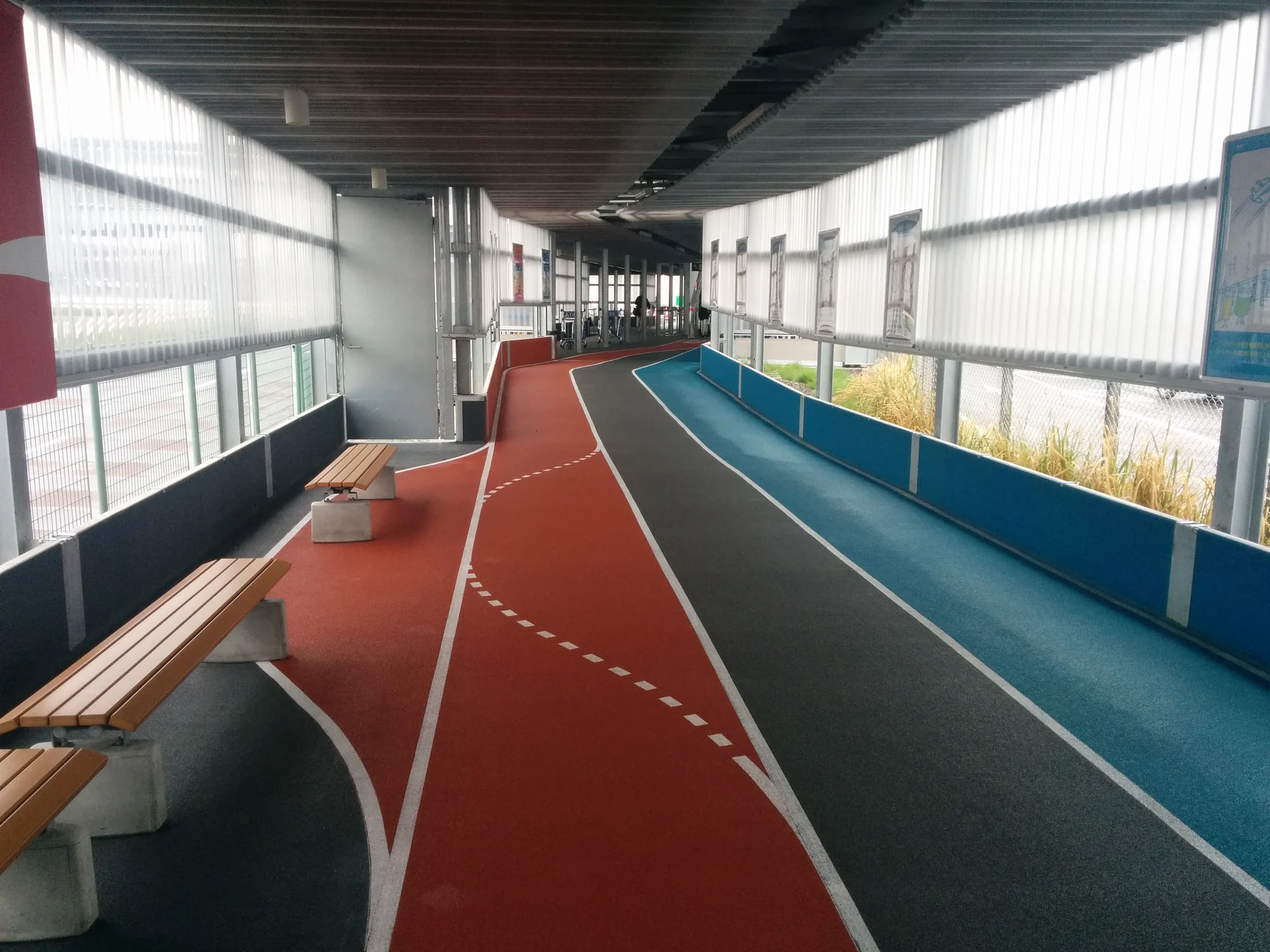
For a coach or private vehicle, verify the drop-off terminal written into the booking. If the onward flight changes terminal, update the arrangements before the journey. At drop-off, collect every piece of luggage before the vehicle leaves, then check the airline’s current counter and departure information.
Keep one person responsible for the next step while the rest of the group gathers the bags. An airport connection can lose time through small coordination problems even after the main journey has run as planned.
10 · WHEN A DIFFERENT PLAN IS BETTER
Late arrivals, early departures and overnight airport changes
Do not assume a daytime ground option is available throughout the night. Check the actual first and last suitable departures for your travel date. An early outbound flight needs a workable arrival at that terminal, not simply the first departure from the other airport.
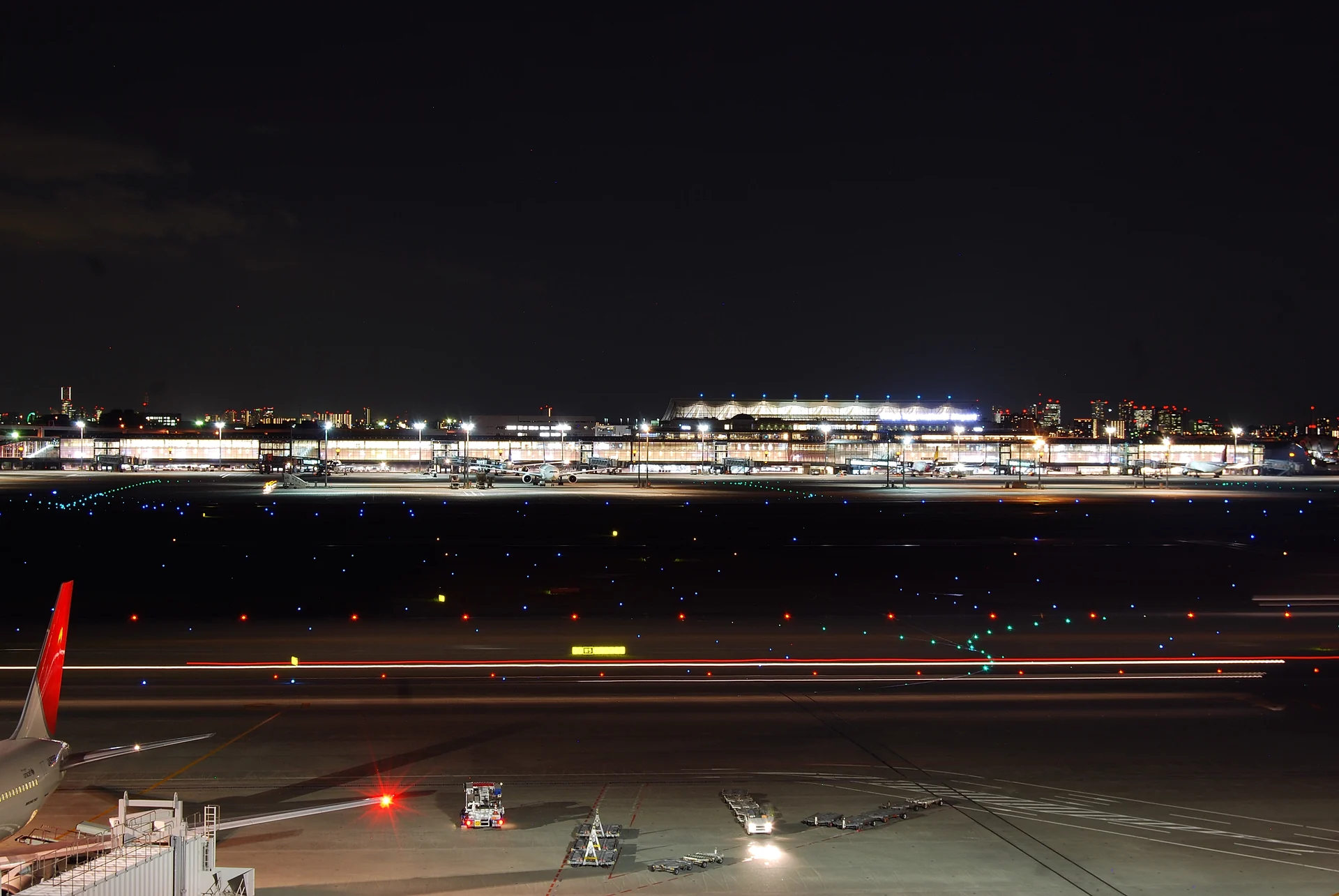
If the connection is overnight, compare staying near the arrival airport with moving towards the departure airport before resting. Consider the last transfer, the next morning’s journey, hotel check-in and checkout conditions, and the cost of changing a reservation after a flight delay. Confirm arrangements for your exact night rather than assuming a terminal or hotel shuttle is open or running.
A Tokyo city stay adds another place to reach and leave. It may be pleasant on a genuinely longer stopover, but a city detour should not be inserted into an already pressured airport connection. Keep optional sightseeing separate from the essential transfer plan.

For an intentional hotel stay, compare each airport-to-hotel leg using our Haneda and Narita arrival guides. Ask for a private late-night or early-morning movement only after the team has confirmed availability and terms.
11 · SEND THE DETAILS THAT MATTER
A Haneda airport to Narita airport transfer booking checklist
A useful inquiry lets the team understand the whole connection. Include the onward flight as well as the inbound one: knowing when you want to leave the first airport does not explain when you must be at the second.
- Direction: HND → NRT or NRT → HND; exact date in Japan.
- Both operating flight numbers, scheduled local times and confirmed terminals.
- Number of adults and children, with ages where child seats may be needed.
- Number and approximate dimensions of large cases, cabin bags, a stroller or unusual equipment.
- Practical boarding or step-free access requirements, without sending medical documents.
- Your airline’s relevant terminal-arrival and departure deadlines.
- A reachable contact method for the travel day and any requests for English support.
- The waiting, cancellation, payment and inclusive-price terms you need clarified.
EXAMPLE INQUIRY · FICTIONAL FLIGHTS
We need a private transfer from Haneda to Narita on [date]. Our inbound flight is [operating flight number], scheduled to arrive at HND [terminal] at [local time]. Our next flight leaves NRT [terminal] at [local time]. We are [adults / children and ages], with [cases and sizes] and [other equipment]. Our airline asks us to reach [counter / terminal] by [time]. Please advise on a suitable vehicle, the complete price, meeting instructions and the waiting policy if the first flight or bags are delayed.
Use the inquiry form below to discuss a private transfer. Do not send passport copies or payment-card details in an initial inquiry. An acknowledgement confirms receipt of the request, while the journey is confirmed separately.
12 · QUESTIONS BEFORE YOU GO
Haneda to Narita airport transfer FAQs
Is there a free shuttle between Haneda and Narita?
Do not confuse an airport’s terminal shuttle with transport between HND and NRT. The airport coach described here is a paid service. Check your airline or ticket provider if a particular flight booking claims to include ground transport.
Can I take one train without changing?
Some services allow this, but Keikyu says the number of through departures is limited. Check the departure time, destination and complete itinerary; do not assume every airport-bound train goes to the other airport.
Is a three- or four-hour connection enough?
A single number cannot approve your ticket. Airline rules differ by flight combination, and actual arrival and departure processes can exceed the allowances you expected. Ask the operating airlines or issuing agent to assess both flights, terminals and ticket conditions.
Does a private car guarantee that I will catch the next flight?
No. It can simplify the agreed ground journey, but cannot control the inbound flight, entry formalities, baggage delays, road conditions or airline deadlines. Reconsider a tight itinerary before booking transport.
Will my checked luggage be moved to the other airport?
Do not assume that. Confirm the baggage arrangements for your own flights; the airline examples in this guide require collection or rechecking when changing airports. Plan the ground journey for the cases you will have with you.
Can I use the same plan from Narita to Haneda?
Use the same planning method, but check the reverse timetable, pickup terminal and onward Haneda flight. The departure times, stop order, terminal access and airline conditions are not automatically identical.
Is a train always cheaper than a private transfer for a group?
Compare the actual complete rail fares for everyone with a written inclusive vehicle quotation. Account for the load, child-seat needs and timetable as well as the total. This guide does not claim a private vehicle is cheaper for a particular party.
Can I add sightseeing during an airport change?
Treat sightseeing as a separate optional plan only when the confirmed flight itinerary and available time support it. Do not use a sightseeing stop to fill time that is needed for queues, traffic, terminal navigation or departure procedures.
Official sources and details to recheck
Transport and airline information checked 16 October 2026. Recheck flight terminals, operating timetables, fares, ticket conditions, baggage rules, entry requirements and your airline’s connection and reporting conditions before travelling. The worked timeline is an original planning exercise with explicit assumptions, not an official timetable or a minimum-connection recommendation.
- Haneda Airport: airport-to-airport access overview
- Airport Limousine: Haneda → Narita timetable, terminal stops and fares
- Keikyu: Haneda–Narita through-train guidance
- Keikyu: fare and journey search
- ANA: check-in, baggage and minimum connection categories
- JAL: boarding, through baggage and connection categories
- JR East: Narita Express route and stops
- Keisei: Skyliner and Access Express service information
- Narita Airport: station-to-terminal routes
- Ministry of Foreign Affairs: entry and visa information
- Airport Limousine: baggage guidelines (PDF)
Real airport and transport photographs show the locations on their recorded dates. Vehicle cutouts are representative adaptations.
Explore more TokyoVia travel guides