A Tokyo layover tour can be a memorable introduction to Japan. The best route starts with the time you can actually spend outside the airport.
THE QUICK ANSWER
Confirm entry, then work backwards from your onward flight. Subtract arrival procedures, both ground journeys, the required airport return allowance and a separate disruption reserve. Use the time left for one focused neighbourhood. Haneda and Narita need different plans; changing airports needs a transfer plan first. A five-hour tour listing does not mean a five-hour flight connection is enough.
Official travel, airport and attraction information checked 17 October 2026. The examples below are original planning exercises, not live travel estimates, minimum connection times or confirmation of a booking.
01 · START WITH YOUR FLIGHTS
Is a Tokyo layover tour realistic for your connection?
First read the airport codes on both tickets. HND is Haneda; NRT is Narita. A flight arriving in “Tokyo” and another departing from “Tokyo” may use different airports. Record the operating flight numbers, local dates, arrival terminal and departure terminal. An overnight date change is easy to overlook when comparing flight confirmations from different time zones.
Next, distinguish three arrangements: a same-airport connection with time outside, a compulsory airport change, and a deliberate overnight stopover. They may all appear under “layover tours” in search results, but their usable time and transport needs are very different.
Leaving the airport means entering Japan
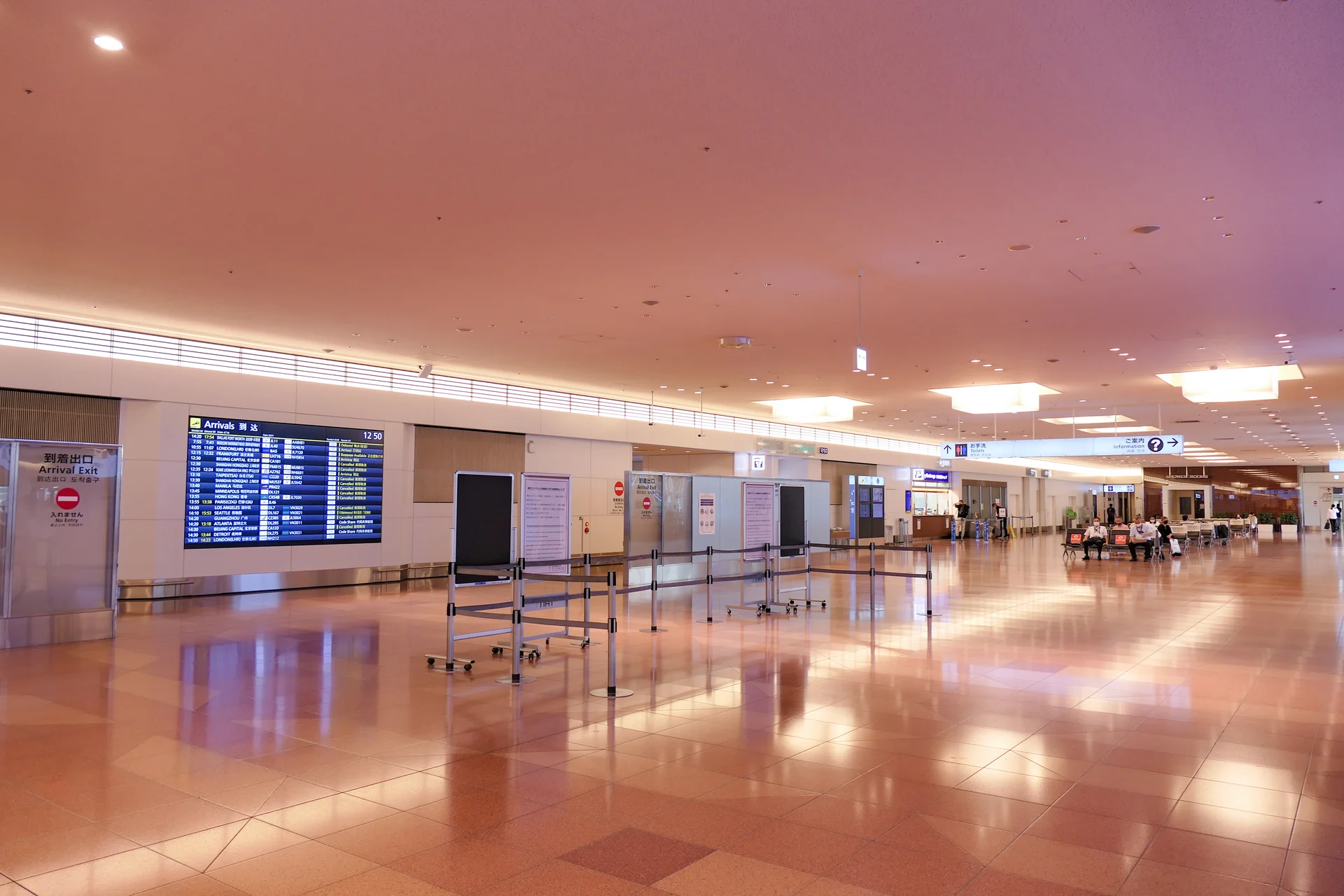
An airside connection and a visit to the city are different processes. Haneda’s international connection guide separates transit from leaving the secure area and entering the country; Narita’s connection guide sets out its own flows. Ask your airline which procedure applies to your flights, what happens to checked baggage and whether you need a new boarding pass.
Check Japan’s official entry and visa information for the passport you will travel on and your circumstances. Your departure country or place of residence alone does not establish eligibility. This matters whether your trip starts in the United States, Singapore, Australia, South Korea, Hong Kong or Taiwan. A tour reservation does not provide permission to enter Japan.
Three questions before choosing any sights
- Can everyone in the party enter Japan under the applicable conditions?
- What terminal-arrival, check-in, baggage, security and boarding deadlines does the operating airline require?
- After the complete outward and return journeys, is there time for a visit without using the disruption reserve?
If an answer is missing, resolve it before buying an attraction ticket. If the calculation only works when every queue, road and connection is clear, choose time at the airport instead. A minimum airline connection time is not a sightseeing allowance.
02 · COUNT THE HOURS YOU CAN USE
How much time do you need for a Tokyo airport layover tour?
There is no reliable universal answer based only on the gap between scheduled flights. The useful number is your time at the chosen destination, after protecting the essential airport processes and both journeys. A ten-hour connection that arrives late at night can offer fewer practical options than a shorter daytime stop.
YOUR WORKSHEET
Flight-to-flight gap − arrival procedures − outward ground journey − return ground journey − required airport return allowance − disruption reserve = possible sightseeing time.
Include deplaning, entry formalities, baggage collection if required, storage, walking to the meeting point and the wait for transport. For the return, count the journey to your actual departure terminal and any baggage retrieval before the airline’s deadline. Boarding time and flight departure time are not interchangeable.
| Item | Illustrative allowance | What it includes |
|---|---|---|
| Scheduled arrival 08:00; departure 16:00 | 480 minutes | A fictional daytime, same-airport connection; not a particular flight. |
| Arrival process | 90 minutes | An assumed allowance until the whole party is ready in the public area. |
| Outward and return ground journeys | 60 + 60 minutes | Assumed complete journeys, not a published train time or driving forecast. |
| Airport return allowance | 150 minutes | An assumed terminal-arrival target 2½ hours before departure; replace with your airline’s requirements. |
| Separate disruption reserve | 30 minutes | Held back rather than allocated to another shop or attraction. |
| Time left at the destination | 90 minutes | 480 − 90 − 120 − 150 − 30. Choose one small area, or stay at the airport. |
Choose a return time before a sightseeing start time
Under those assumptions, the party is ready at 09:30, reaches the destination at 10:30 and leaves at 12:00. The planned return journey ends at 13:00, leaving the separate half-hour reserve before the illustrative 13:30 terminal target. That sequence offers a short neighbourhood visit, not a city-wide highlights tour.
Change the assumptions and the answer changes. With the same allowances, a six-hour connection leaves minus 30 minutes; a ten-hour connection leaves 210 minutes. These are sensitivity checks, not rules approving or rejecting a particular flight itinerary. If arrival is 45 minutes later than expected, reduce the visit by 45 minutes; do not move the required return time to preserve the original route.
Write down a latest departure from the sightseeing area, a first stop to drop if delayed and a point at which the entire outing is cancelled. A confirmed driver or guide can discuss the practical route, but cannot remove airline deadlines or guarantee the onward flight.
03 · DIFFERENT AIRPORT, DIFFERENT DAY
Planning from Haneda versus Narita
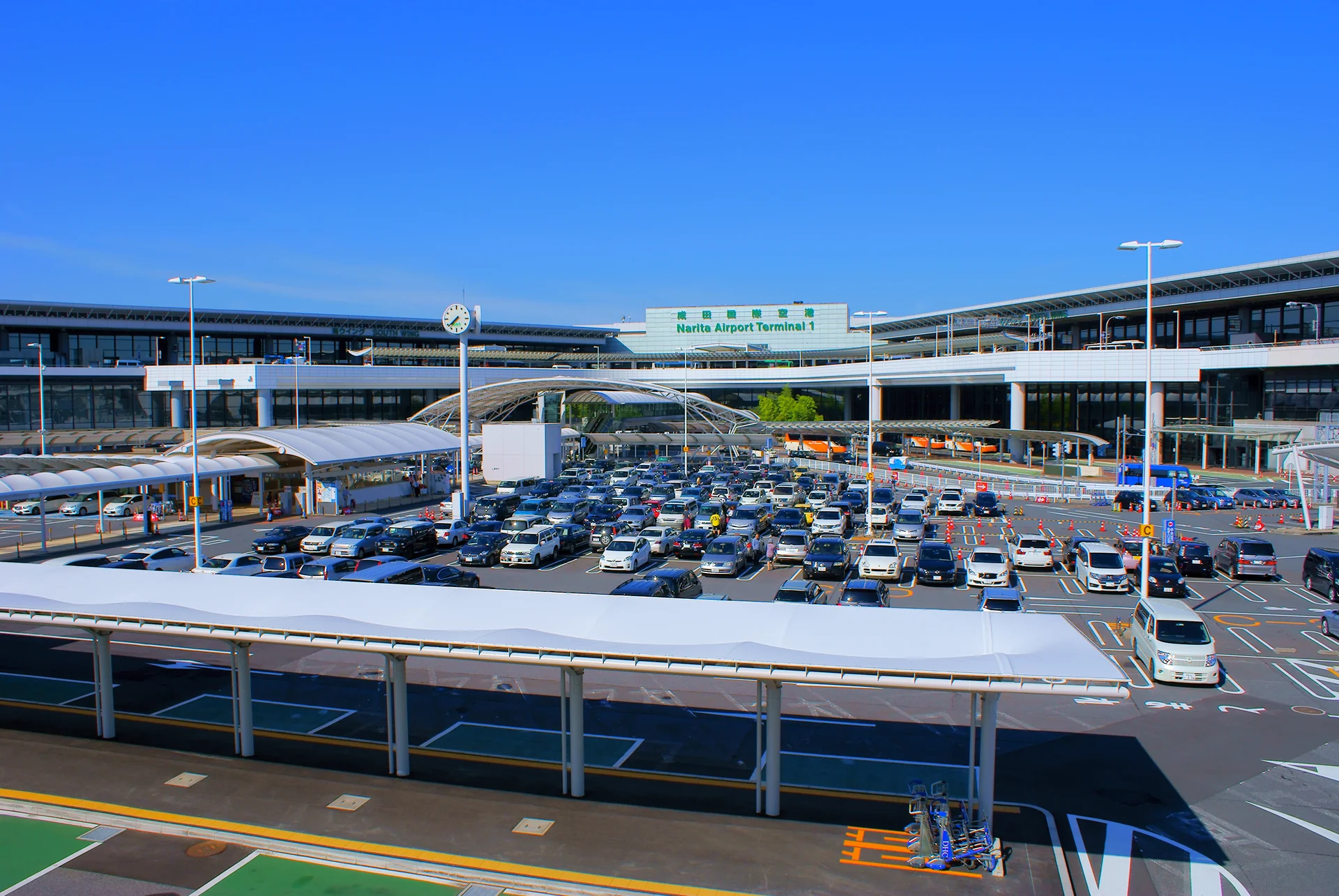
Choose the destination after identifying the airport pair. A central Tokyo route written for Haneda should not simply be copied into a Narita connection. At either airport, the terminal, selected departure, station approaches and final walking route affect the complete journey.
| Flight arrangement | A sensible starting point | What must be confirmed |
|---|---|---|
| Haneda → Haneda | One Tokyo district, such as Asakusa or the Shibuya area, if the usable window supports it. | Actual terminal pair, complete journeys in both directions and daylight or shop hours. |
| Narita → Narita | Compare a local Narita visit with a Tokyo trip. Naritasan and Omotesando are a separate destination from central Tokyo. | Local transport, walking, any programme reservation and the return to the correct terminal. |
| Haneda ↔ Narita | Essential airport transfer first. Consider a stop only after that whole connection has a comfortable margin. | Both airports, baggage recheck, the complete transfer and onward reporting conditions. |
| Overnight stopover | A hotel and a properly timed sightseeing block, possibly on different days. | Last and first usable transport, hotel access, baggage and all departure procedures. |
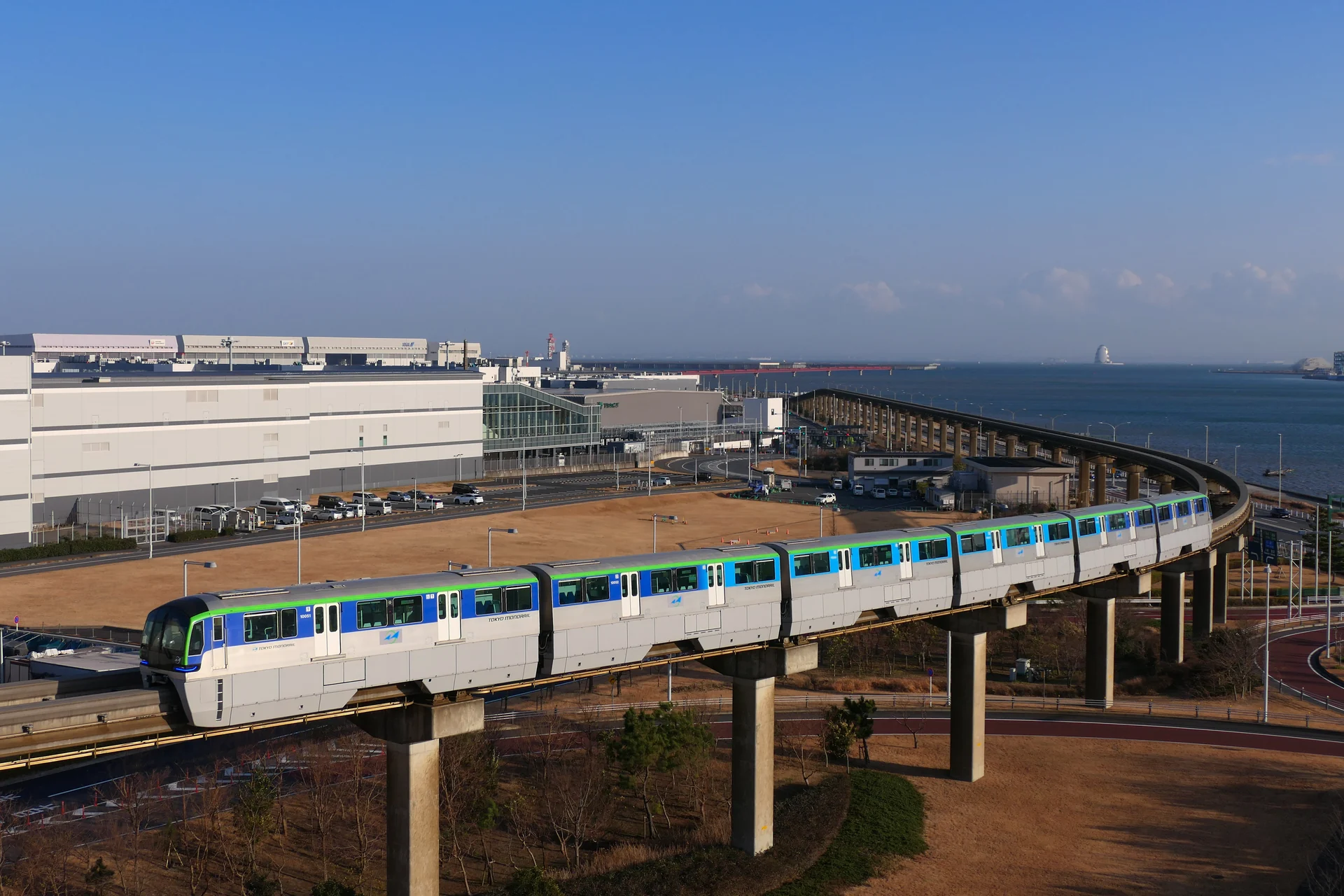
Haneda is served by Keikyu and the Tokyo Monorail. Its official rail access page provides estimated station journey times and operator links; these are not arrival-hall-to-attraction forecasts. For detailed transport comparisons, use our Haneda arrival guide and Narita arrival guide, then check the chosen journey for your travel date.
04 · PICK ONE SIDE OF TOKYO
Tokyo Haneda layover tour: three focused sightseeing choices
Start with the experience you most want: a temple district, food or the modern city. Choose one anchor and one optional nearby addition. This gives the outing a clear purpose and makes it easier to shorten after a late arrival. Do not treat all three routes below as stops on the same short tour.
Asakusa: Kaminarimon, Nakamise and Senso-ji
Asakusa suits a first visit built around traditional streets and a major temple. An out-and-back walk from Kaminarimon through Nakamise towards Senso-ji keeps the core visit within one district. Stop to appreciate the gateway and temple buildings rather than spending the whole window moving between transport hubs.
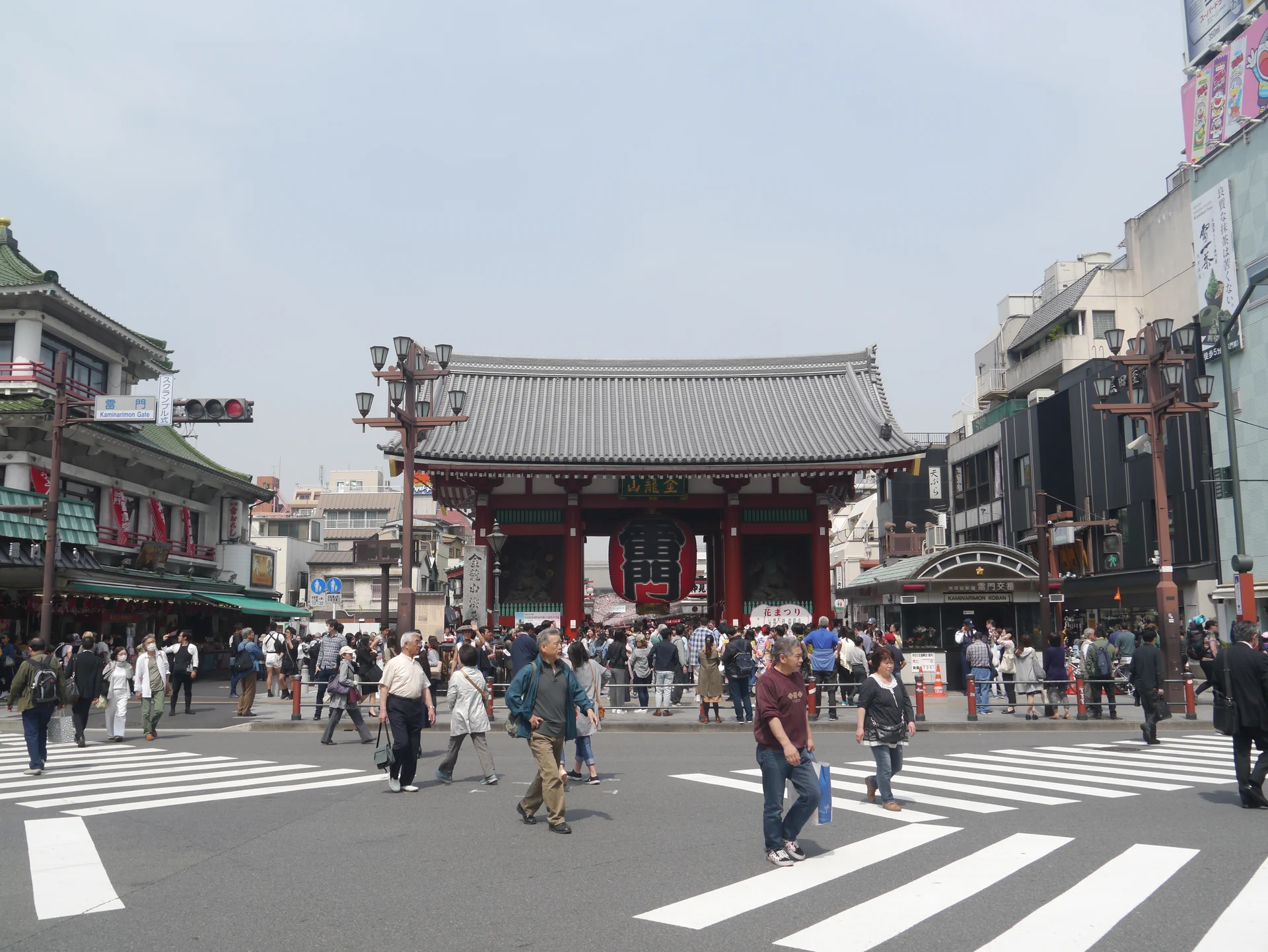
Use a 90–150-minute destination block as an itinerary design option, separate from both airport journeys. For a shorter block, keep the core walk and a quick refreshment stop. With more room, discuss a nearby riverside walk; skip it first if the return journey needs to start earlier. Crowds and walking pace can change what fits.
Read the temple’s official visitor information before travelling. Access to a street or precinct does not mean every hall, shop or activity has the same hours. Leave room for respectful visiting, and follow photography and prayer-area instructions.
Tsukiji: a food-focused daytime visit
Choose the Outer Market when tasting food matters more than collecting sights. Decide on one meal or a few small purchases, keep an alternative if the first place has a queue, and set a time to leave before ordering. An extended restaurant wait can consume a short visit without leaving time to explore.
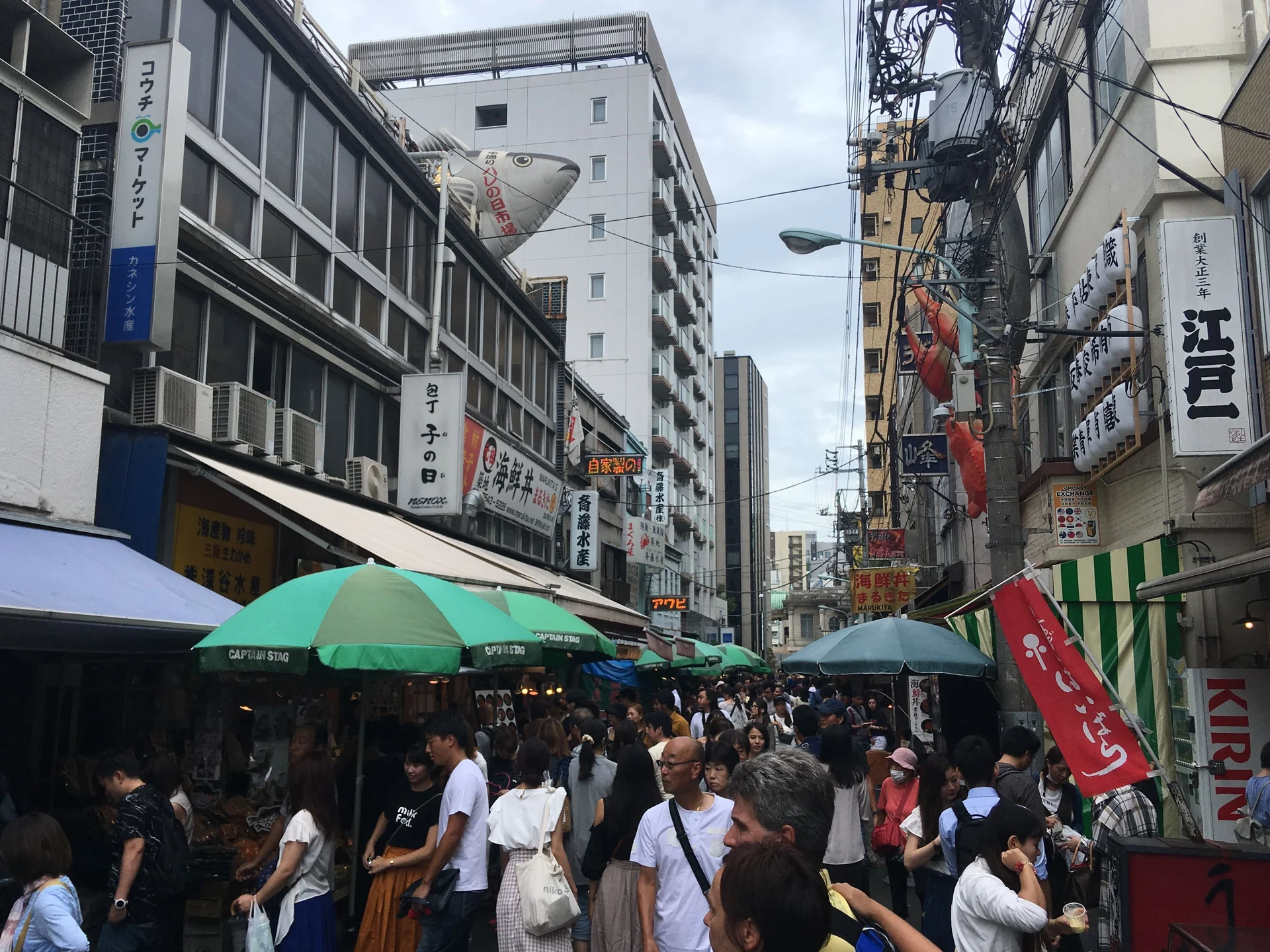
The market’s official visitor guidance suggests 09:00–14:00 and notes that many shops close on Sundays and some Wednesdays. The calendar also explains that individual Outer Market businesses have their own schedules. Check the intended shop and date rather than relying on a blanket “open every day” claim.
Plan a 90–120-minute destination block only after the airport journeys fit. Eat at a designated place, keep shop entrances clear and ask before taking photographs. For a late-day arrival, choose another food area after checking current opening hours. Do not depend on Tsukiji as a late-night dining plan.
Shibuya or Meiji Jingu: city energy or a wooded approach
For modern Tokyo, make Shibuya Crossing and the surrounding streets the main visit, with a meal or coffee nearby. Decide whether a paid viewpoint is essential before adding a timed ticket: queues, lifts and a fixed slot create constraints that a flexible street walk does not.
Meiji Jingu offers a different pace. Its wooded approaches take time to walk; a photograph at the entrance torii is not a complete shrine visit. The shrine’s official Q&A suggests about an hour for the shrine itself and says there is no suitcase storage inside the grounds. Its opening hours vary by month, opening around sunrise and closing around sunset; some internal facilities keep shorter hours.
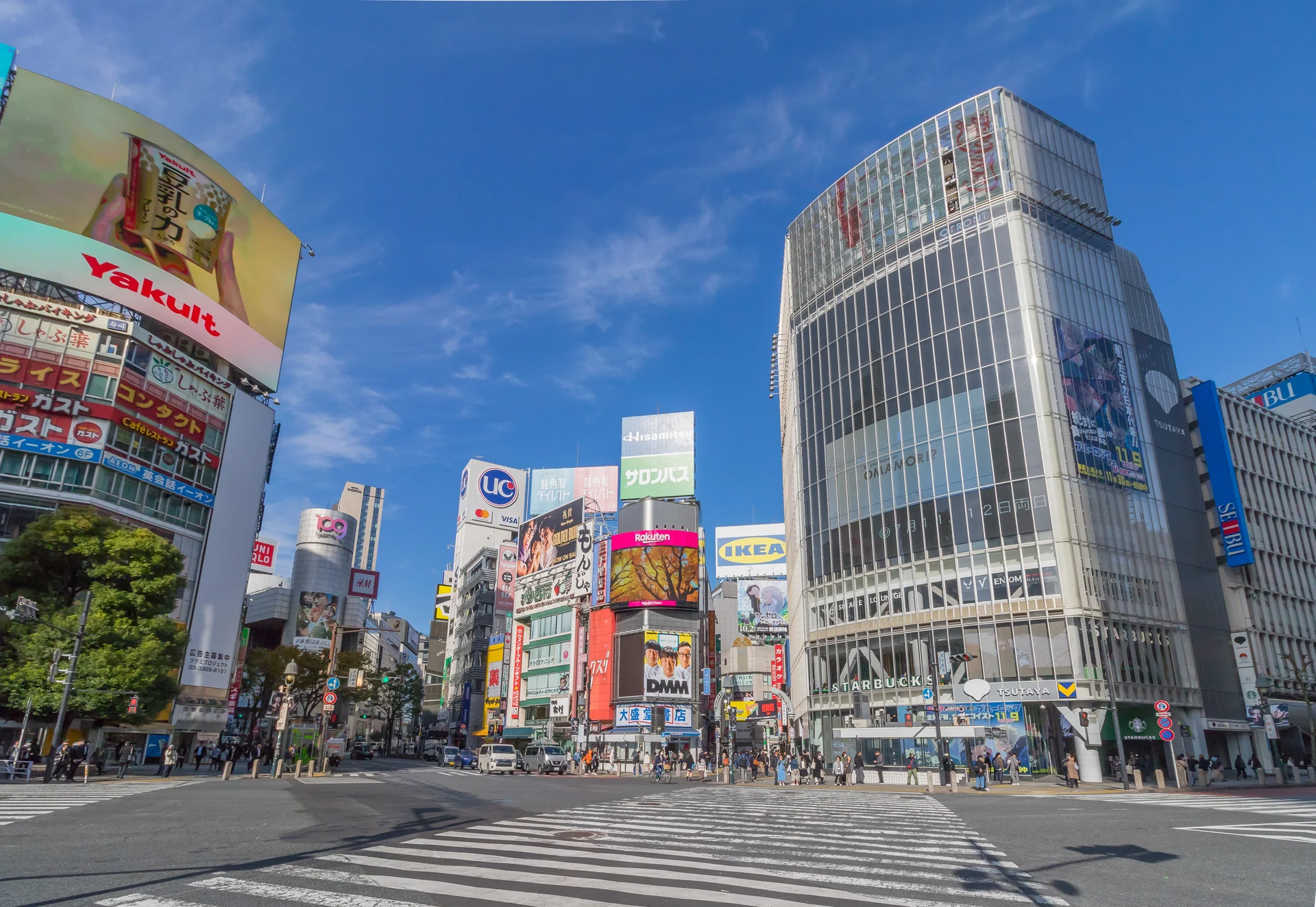
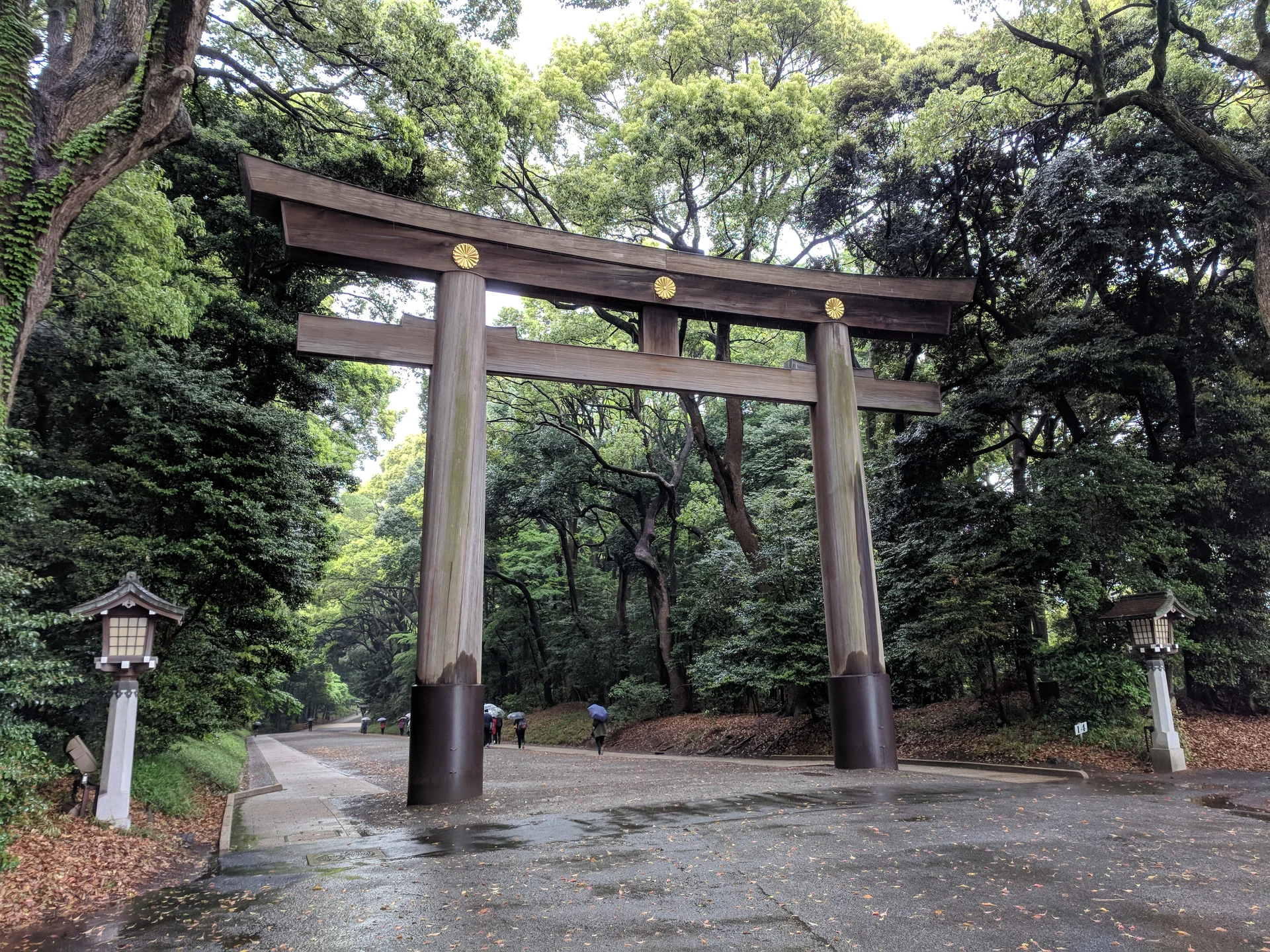
For a compact window, choose Shibuya or Meiji Jingu. For a longer usable window, ask whether the walk or transfer between them, a proper shrine visit and a meal all fit. A second neighbourhood is optional; the airport return is fixed.
05 · A LOCAL ALTERNATIVE FROM NARITA
Narita layover: Naritasan Shinshoji and Omotesando
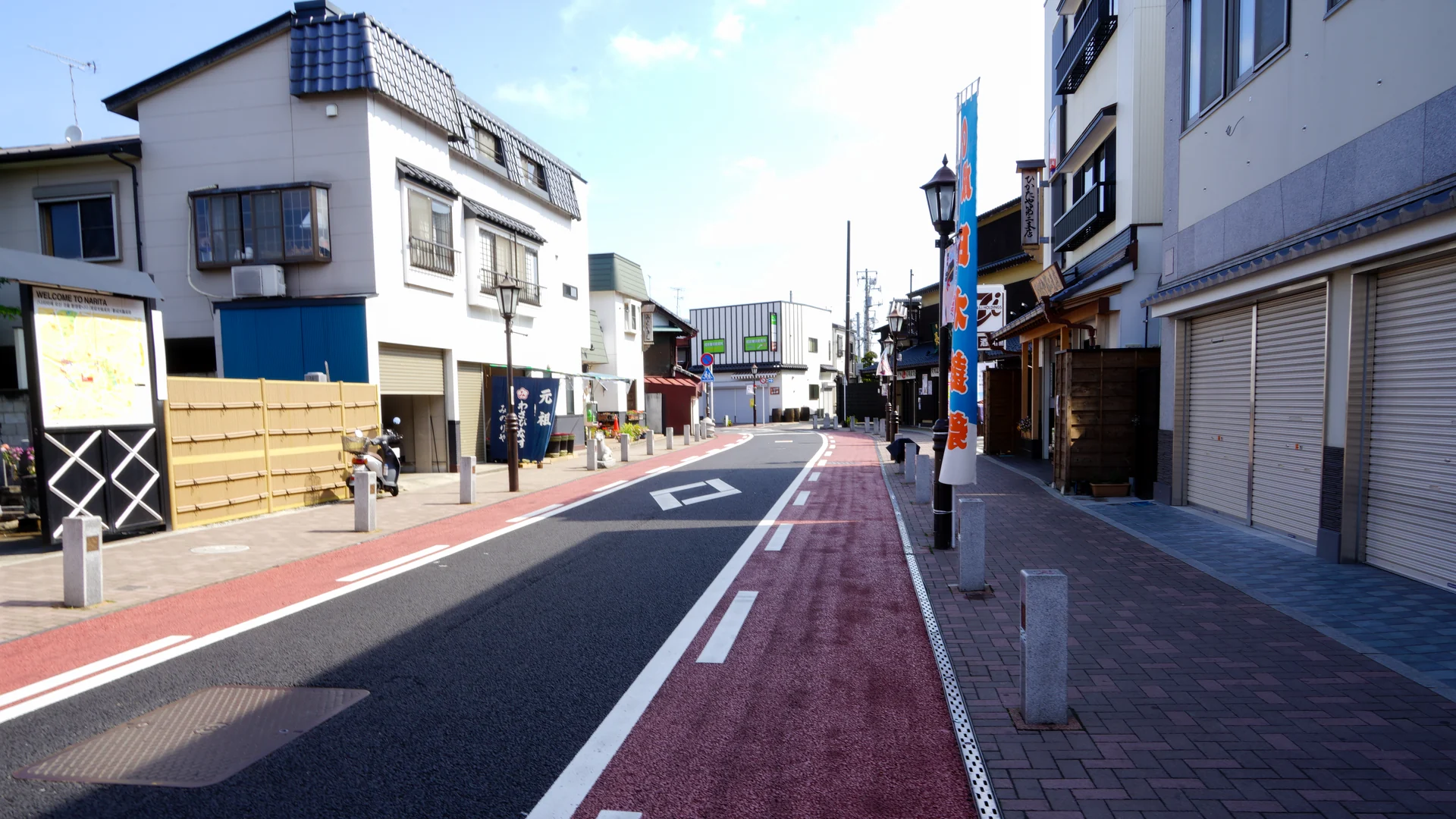
You do not have to reach central Tokyo to experience Japan outside the terminal. Compare a local Narita visit when the Tokyo round trip would dominate the outing. The temple precinct and its approach offer a coherent destination: architecture, a traditional shopping street and the possibility of a meal.
Naritasan Shinshoji is an active Buddhist temple with halls and a neighbouring park. The city tourism association’s Naritasan information is a starting point for the precinct and access. There are changes in level and a broad site to explore, so agree a manageable walking route rather than promising to cover everything.
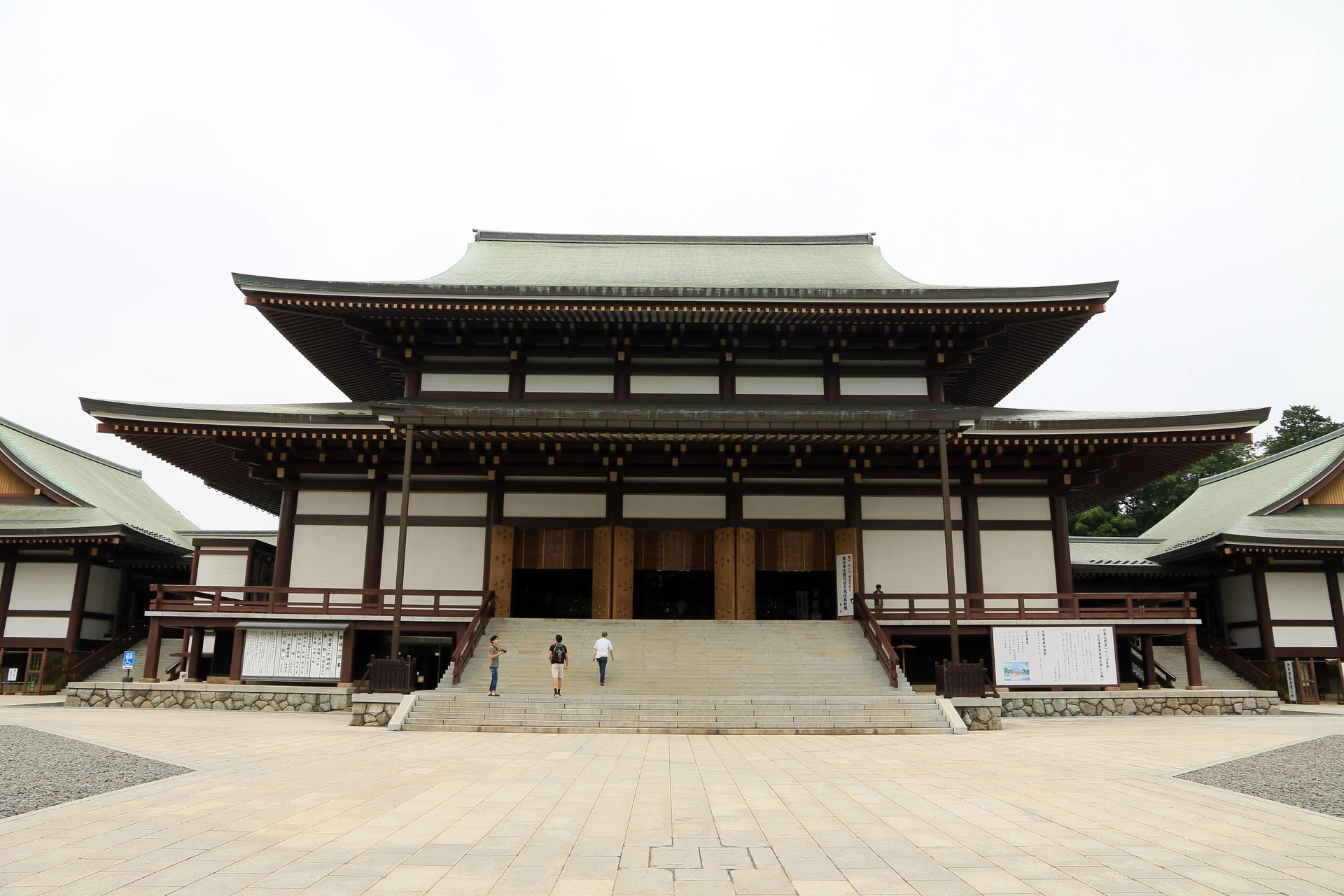
A local route with one optional meal
Plan the arrival at JR Narita or Keisei Narita station, walk part of the temple approach, visit a chosen area of the precinct and return along the same corridor. If you want an eel-rice meal, confirm the restaurant’s hours and likely wait before committing to it. A shorter snack stop is a practical fallback; neither is a reason to move the return deadline.
As a fictional three-hour landside outing, allocate 45 minutes to the outward journey and approaches, 45 to a focused temple visit, 30 to food or browsing, 45 to the return and 15 as a separate reserve. These are planning allowances to replace with actual transport and walking information. They exclude arrival formalities and the required pre-departure airport allowance, so they do not make a three-hour flight connection suitable.
Check the Narita Airport Transit & Stay Program
The airport’s Transit & Stay Program offers guided and self-guided options around Narita. Its Standard guided tours use English-speaking volunteers without a tour or guide fee; participants cover their personal expenses such as transport. Availability, actual expenses and conditions need checking for the selected experience.
The Narita City course is listed at approximately three hours. That is a course duration, not a minimum flight-connection time. The airport’s programme reception page says advance reservation is required and lists meeting counters before security in Terminals 1 and 2. Follow the current booking instructions, and allow for the journey from your own terminal. This is an independent airport programme, separate from TokyoVia.
06 · AGREE WHAT IS INCLUDED
Private vehicle, guide or independent Tokyo layover tour?
Choose the arrangement that solves your actual difficulty. You may want someone to explain the sights, a vehicle to simplify the airport journeys, or simply a clear route you can follow independently. Those are different services. A car booking does not automatically include a guide accompanying you inside each attraction.
| Arrangement | Useful when | Check before booking |
|---|---|---|
| Independent public transport | You are comfortable navigating stations and managing the whole party’s bags. | Complete return itinerary, train destination, transfers, last suitable departure and ticket conditions. |
| Guide with public transport | You want interpretation and help navigating the chosen route. | Meeting terminal, walking demands, your fares, the guide’s expenses and exact ending point. |
| Private vehicle with driver | Agreed airport pickup, group movement or managing the full luggage load would help. | Vehicle layout, both terminals, waiting terms, tolls, parking, overtime and the total quoted price. |
| Vehicle plus separate guide | You want a driver for the movements and a guide walking with you at the sights. | That both roles are actually included, language, admission and meal expenses, and who accompanies each stop. |
What does “five-hour tour” actually measure?
Ask where the clock starts and ends. Five hours might mean airport pickup to airport drop-off, meeting a guide after reaching the city, or a sightseeing period with transfers charged separately. Confirm the flight gap needed to support that product. A listing’s duration alone cannot answer whether your connection works.
Compare the total for your own party in the quoted currency. Check whether it includes both airport legs, road tolls, parking, guide expenses, waiting, child seats, extra stops and cancellation after a late flight. Do not compare a per-person walking tour with a whole-vehicle price as if they were the same product.
Choose the vehicle around the people and the bags
If requesting a car, describe the load before choosing Private Sedan, Private Van or Private Big Van. Include the number and approximate size of cases, cabin bags, a stroller and any other equipment. Ask about the exact seating and luggage arrangement, child-seat requests and boarding needs; an illustrative vehicle image is not a confirmed dispatch or capacity.
Our vehicle selection guide explains those questions. For interpretation at the sights, read private driver versus tour guide and confirm the required English support separately.
07 · MAKE THE WALK COMFORTABLE
Luggage, children and walking during a layover
Ask the airline where every checked bag will be when you land and whether it must be collected and checked again. Do not assume a through ticket, two flights on the same airline or a long connection settles that question. Separate bookings and a change of airport can create additional steps that need their own time.
For bags you will have with you, decide between an appropriate storage facility and a vehicle arrangement that has explicitly accepted the full load. Include the deposit and collection process in the worksheet. A return to a different terminal can turn apparently convenient storage into an extra journey.
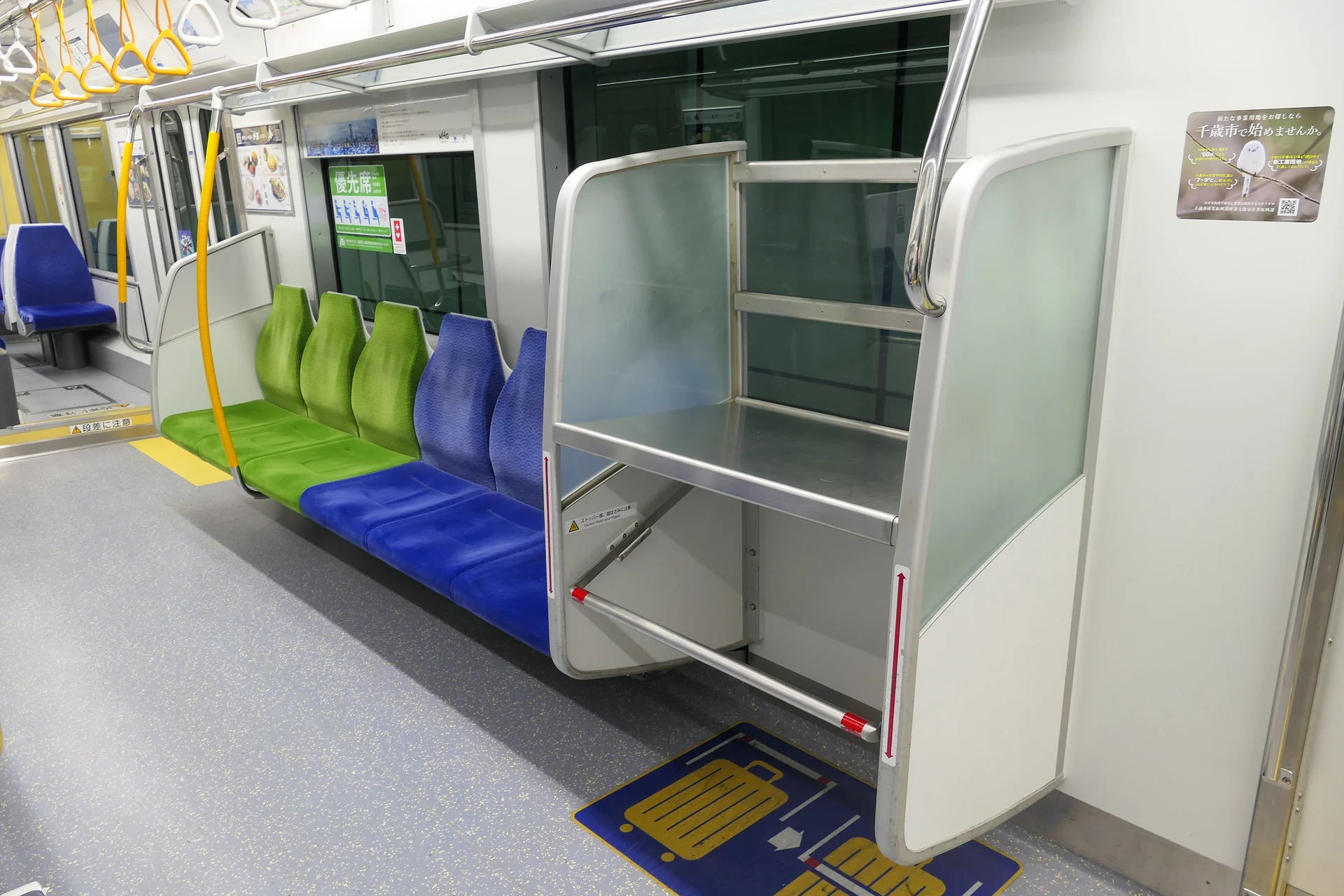
Haneda’s official baggage-storage directory lists terminal-specific counters and operating details. Check the exact counter, size and weight acceptance, price, hours and retrieval location. Availability should be confirmed on the day; a directory entry does not reserve space for you. For Narita, use the airport’s current terminal and service guidance before settling the route.
Travelling with children changes more than vehicle size. Keep time for toilets, a quiet snack, a rest and the walk back to the meeting point. Choose a smaller sightseeing area if that lets everyone enjoy it. With a stroller or step-free request, discuss surfaces, station routes and vehicle boarding specifically; do not assume a car removes every step at a temple or station.
Keep essentials and the information needed for the next flight accessible. If the party separates for food or shopping, agree a clear reunion point and an earlier meeting time than the final departure from the district.
08 · A TRANSFER IS THE ESSENTIAL JOURNEY
Can you sightsee while changing between Haneda and Narita?
First plan the required airport change without sightseeing. Confirm the complete ground route, baggage collection and recheck, the receiving terminal and the operating airline’s connection conditions. Only then consider a stop that leaves the protected return allowance and disruption reserve intact.
A route drawn through Tokyo on a map does not establish that a sightseeing stop is convenient. Leaving the main route can add parking, walking, luggage supervision and a second meeting. If a flight arrives late, the optional stop should disappear before the essential transfer is compromised.
Use our Haneda to Narita connection guide for the airport-change comparison and airline-specific references. A layover outing and an airport transfer should be priced and timed as one agreed arrangement if they share a vehicle. Do not book independent pieces with incompatible meeting and return assumptions.
09 · LET CONDITIONS CHANGE THE ROUTE
Evening, rain and overnight layovers in Tokyo
Match the visit to the actual time of day. A nighttime city view may appeal, while a market breakfast or shrine visit needs a different window. A photograph of a place after dark does not prove the attraction, restaurant or transport you need will be operating.
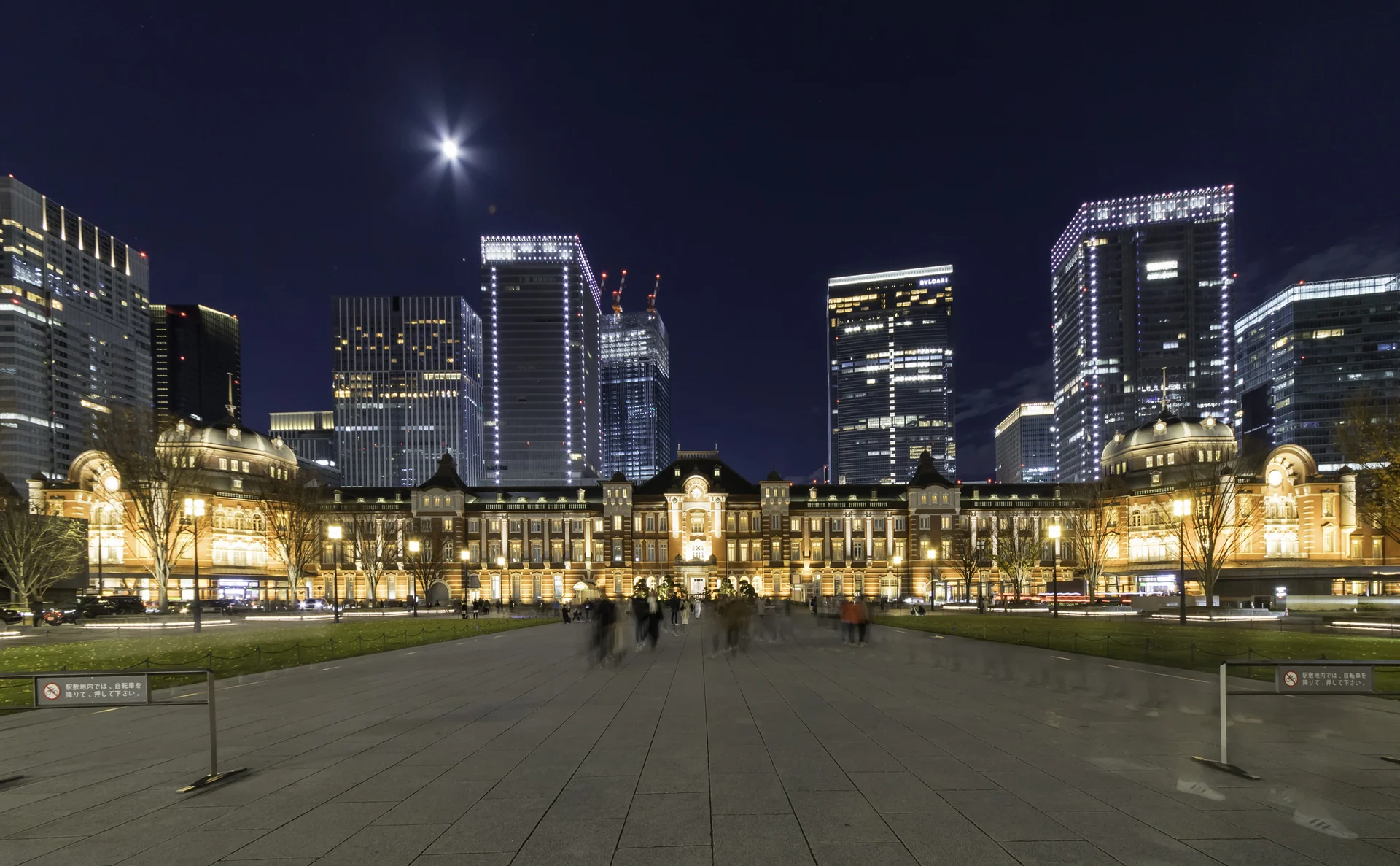
For an evening outing, check the return service or agreed pickup before leaving the airport. If using a booked vehicle, confirm late-hour availability and charges rather than treating them as included. Avoid adding nightlife or a lengthy meal after fatigue has made the return plan harder to manage.
A wet-weather plan should be easier to shorten
Choose a compact area with somewhere to pause, keep the walking route flexible and allow extra time for wet surfaces or crowded transport. A timed indoor attraction is only useful if its entry conditions and queues fit the flight plan. If the weather or disruption makes the outing uncertain, keeping the visit inside the airport is a valid choice.
For an overnight connection, separate the hotel plan from the sightseeing plan. Confirm access to the hotel, check-in and checkout, baggage, the next morning’s transport and the terminal deadline. Check whether any rest, lounge or shower facility is landside or airside and whether your ticket permits access. Do not assume that “the airport is open” means every facility or terminal area is available all night.
10 · KEEP THE RETURN SIMPLE
A practical airport return checklist
Set the plan while you still have time to change it. The simplest return begins with a single place and time where the whole group is ready to travel, with the bags already accounted for. Use Japan local time on everyone’s devices.
- Save the onward flight, correct airport, terminal and airline reporting requirements.
- Agree a latest departure from the sightseeing area and keep the disruption reserve separate.
- Save the actual return transport details or the confirmed driver meeting point and contact method.
- Allow for retrieving stored luggage before reaching the required counter or terminal.
- Drop the optional stop immediately if the updated calculation needs its time.
- Recheck the flight and terminal with the airline; do not assume a delay removes check-in or baggage deadlines.
- At airport arrival, collect every bag and proceed to the required departure process before shopping.
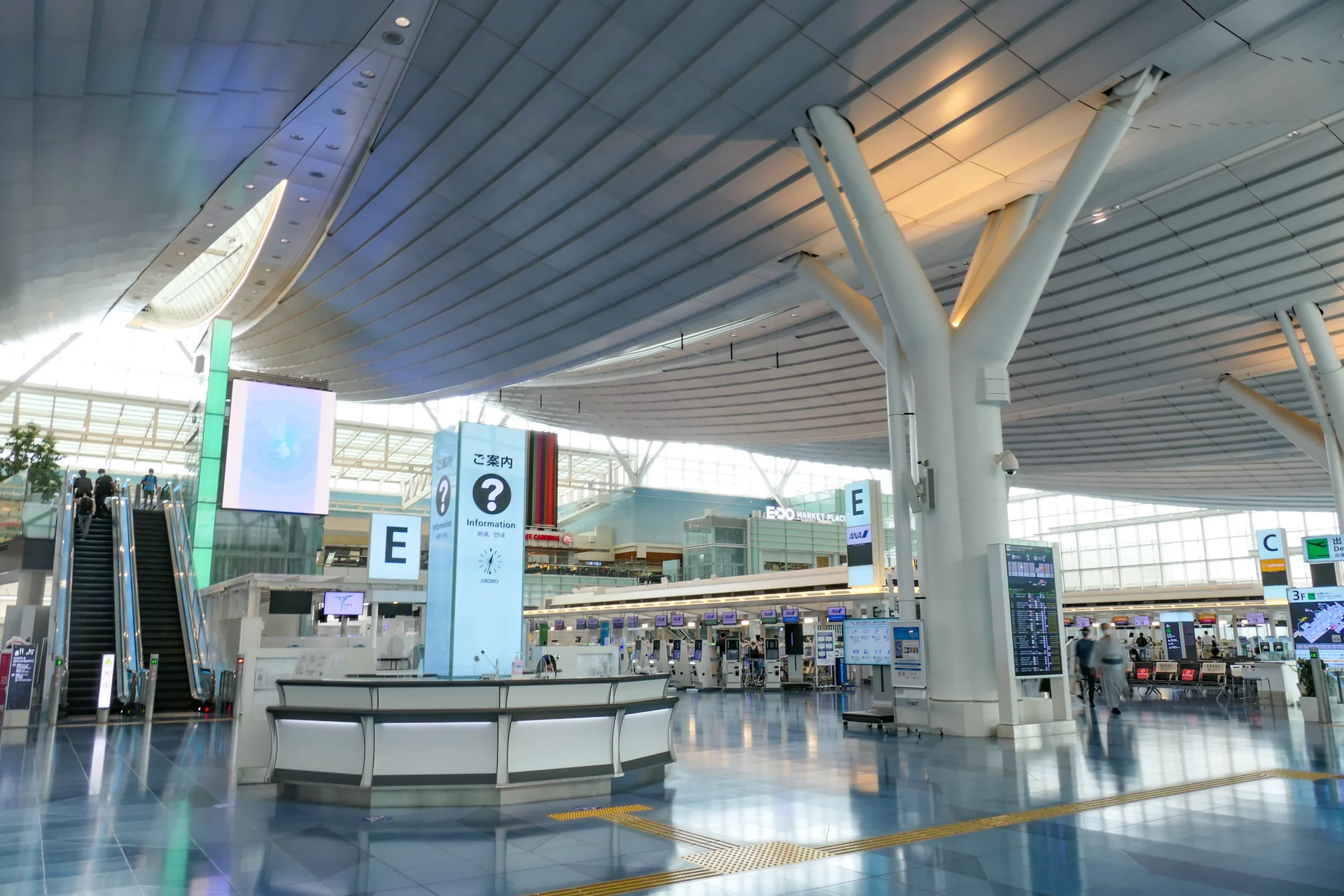
If an unplanned delay puts the onward flight in doubt, contact the operating airline promptly. A driver or guide can help discuss the ground arrangement, but cannot determine ticket protection or promise that check-in will remain open.
11 · MAKE THE FIRST MESSAGE USEFUL
What to send when requesting a Tokyo layover tour
A specific request is easier to assess than a long list of landmarks. Send the flight details first and choose your main interest: a temple district, food, a modern neighbourhood or a local Narita visit. Say how much walking the party would enjoy and whether you prefer a guide, vehicle, or both.
COPY AND COMPLETE · EXAMPLE REQUEST
We arrive at [HND / NRT, terminal] on [date] at [local time], flight [number]. Our onward flight leaves [airport, terminal] at [local time], flight [number]. There are [adults] and [children, ages], with [bags and approximate sizes]. Our airline requires us at [terminal / counter] by [time]. Our first choice is [one area or interest]. We prefer [vehicle / guide / both] and [walking preferences]. Please advise whether a visit is practical, the inclusions, total price, and arrangements if arrival is delayed.
Use the inquiry form below for a private arrangement. A receipt email confirms that the inquiry arrived; the journey, vehicle, language support and availability are confirmed separately. Keep passport copies and payment-card details out of the initial message.
If you are planning a longer Tokyo stay rather than a same-day connection, explore our Tokyo model itineraries instead. A dedicated sightseeing day gives the places more room than fitting them between flights.
12 · QUESTIONS BEFORE BOOKING
Tokyo layover tour FAQs
Is a five-hour layover enough for a five-hour tour?
No: tour duration and flight-to-flight time measure different things. Entry procedures, both ground journeys, any baggage handling and the required return allowance need additional time. Assess the full connection before choosing a product.
Can I leave Haneda or Narita during an international connection?
Only if you meet the applicable entry requirements and complete the required procedures. Ask your airline about your flights and baggage, and consult Japan’s official entry guidance for your passport and circumstances. A tour does not confer entry permission.
Is eight hours enough for a Tokyo layover tour?
It depends on the airport pair, time of day, actual arrival, group and reporting requirements. The fictional eight-hour worksheet in this guide leaves only 90 minutes at the destination under its stated assumptions. Replace those assumptions before making a decision.
Should I go into Tokyo from Narita, or stay in Narita?
Compare the whole round trip and what you want to experience. Naritasan and its approach can be a coherent local visit. Central Tokyo is a different journey and needs its own usable-time calculation; neither option is automatically suitable.
Are there free layover tours at Narita Airport?
The airport’s Transit & Stay Standard guided tours list no tour or guide fee, with personal expenses paid by participants. Check the independent programme’s current availability, reservation rules and expenses. It is not a TokyoVia service.
Can my luggage stay in the private vehicle?
Ask before booking and give the complete load. Confirm where and how it can be carried or kept during stops. Do not assume a particular vehicle, bag capacity or storage arrangement until the provider has agreed it.
Will the driver also guide us around the temple?
That depends on the booked service. Specify whether you need an accompanying guide, the desired language and assistance at each stop. A private-driver arrangement does not automatically include a separate walking guide.
Does a private layover tour guarantee the onward flight?
No. Flight delays, entry queues, road disruption and airline deadlines remain outside a tour’s control. Keep a reserve, agree how the outing will be shortened or cancelled, and contact the airline if the flight connection is in doubt.
Official sources and what to recheck
Information checked 17 October 2026. Recheck entry requirements, both flight terminals, airline deadlines, current journeys, attraction and shop hours, storage, programme reservations and all quotation conditions for your own date. The example time budgets and route blocks are original editorial planning tools, not transport timetables or a declaration that a particular connection is suitable.
- Haneda Airport: international transit and entering Japan
- Narita Airport: connecting-flight procedures
- Japan Ministry of Foreign Affairs: visa and entry guidance
- Haneda Airport: rail access and operator links
- Haneda Airport: baggage-storage counters
- Narita Airport Transit & Stay Program
- Narita Airport: programme reception and advance reservation
- Narita City programme course: duration and local highlights
- Narita City Tourism Association: Naritasan Shinshoji
- Senso-ji: official visitor information
- Tsukiji Outer Market: visitor guidance
- Tsukiji Outer Market: calendar and individual shop schedules
- Meiji Jingu: opening hours
- Meiji Jingu: visit duration, luggage and visitor questions