Cross the scramble, choose your view and follow the streets towards something you actually want to discover. Shibuya rewards a little focus.
THE QUICK ANSWER
For a first visit, allow four to five hours around Shibuya Station: see Hachiko and Shibuya Crossing, choose one viewpoint, explore one shopping area and leave room for a seated meal. SHIBUYA SKY suits a wide city panorama; MAG8 suits a closer look at the crossing. If you prefer a visit without a paid observation ticket, combine the public streets with Miyashita Park. Harajuku and Meiji Jingu make a longer outing, rather than automatic additions to this compact half-day.
Official information checked 19 October 2026. The route and time allowances are editorial suggestions, not measured walking times, ticket availability or a guarantee about queues.
01 · START WITH A PRIORITY
The best things to do in Shibuya for your first visit
Shibuya is a station district, a shopping destination and the name of a much larger city ward. That distinction matters when a list of “nearby” attractions sends you from the scramble crossing to a shrine forest and then back for a timed observation ticket. This guide concentrates on the streets around Shibuya Station, with optional extensions clearly separated.
A good visit has a few contrasting moments: the rush across the intersection, a view that explains the city’s scale, a street or store that suits your interests, then somewhere to sit. You do not need to visit every shopping complex or pay for several versions of the same photograph.
| Your priority | Build the visit around | Leave out if time is short |
|---|---|---|
| Only 90 minutes | Hachiko, the scramble and a short Center-Gai walk. | A queued meal and a high observation deck. |
| A first half-day | Crossing, one shopping branch, lunch and one viewpoint. | Harajuku, Meiji Jingu and multiple paid views. |
| Fashion and design | SHIBUYA109, the west-side streets or Jinnan/PARCO. | A second mall simply because it appears on a checklist. |
| Games and characters | PARCO’s sixth floor, with time for entry arrangements. | An equally long shopping loop elsewhere. |
| A view without a tower ticket | Public streets and Miyashita Park; an optional paid café break. | Assuming every crossing-facing window is a free viewing platform. |
02 · THE CLASSIC INTRODUCTION
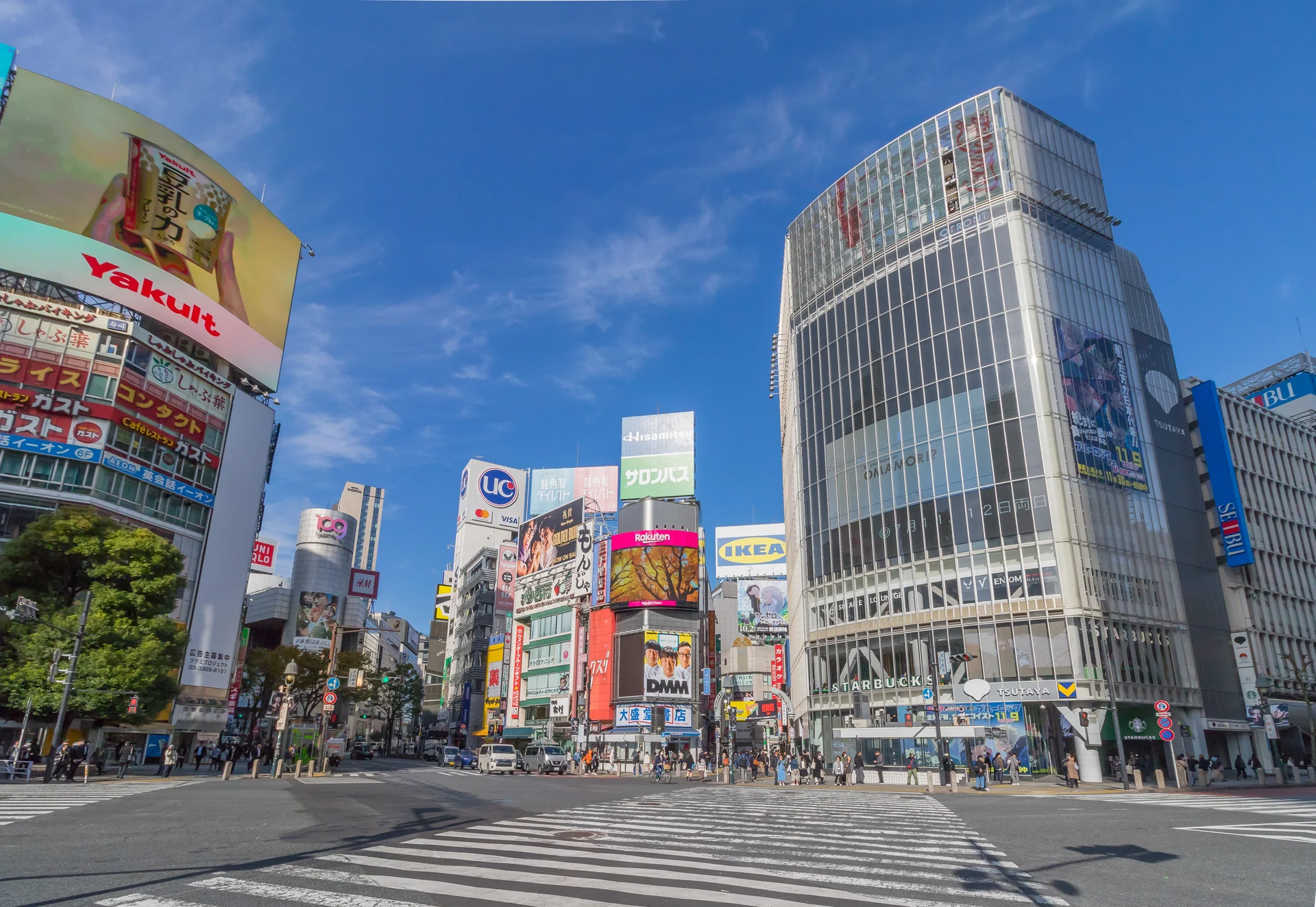
Walk Shibuya Crossing and find Hachiko
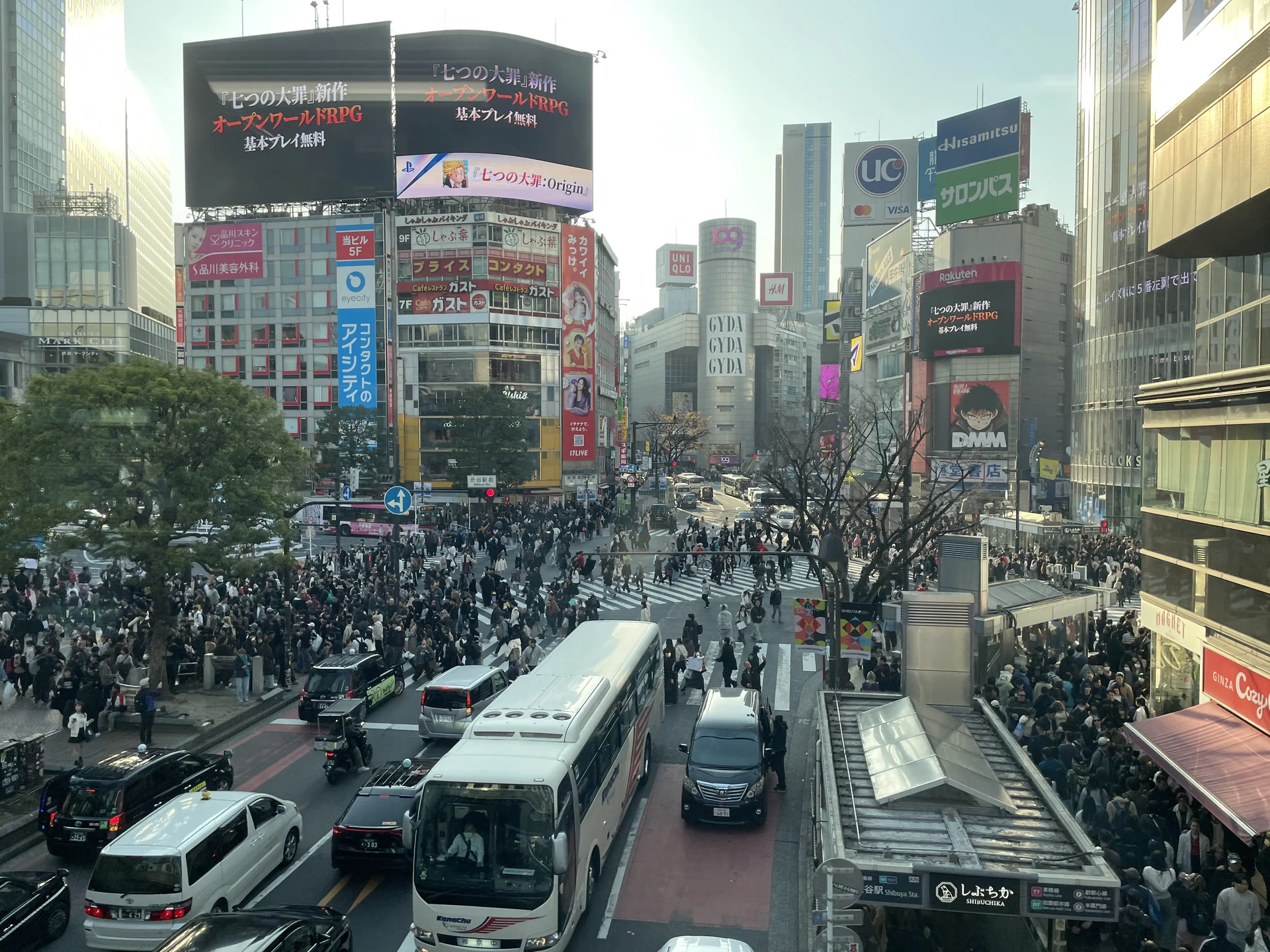
Shibuya Crossing is a working intersection outside the station. The experience comes from joining the flow when the pedestrian lights change, then watching how the different streams separate again on the other side. A single crossing and a pause from the pavement can be more enjoyable than trying to record every signal cycle.
Hachiko’s statue is close to the crossing on the station side. The Japan National Tourism Organization’s crossing guide explains the dog’s connection with his owner and the station. See the statue, but give people waiting for photographs space. If the square is crowded, treat it as a brief stop rather than a place to gather your whole party for a long discussion.
Take photographs without interrupting the crossing
Frame your shot from a suitable pavement position, move with the lights and keep walking across. Do not stop in the middle for a posed photograph or hold a phone out into another person’s path. A tripod, a large suitcase and a crowded crossing are an awkward combination; put the luggage elsewhere before making this a sightseeing stop.
For a meeting, “Shibuya Station” is too vague. Agree on a named landmark, the side of the building, the floor if indoors, and a time. Share a map pin and a fallback message in case someone emerges from a different part of the station. Hachiko is recognisable, but a packed square may be a poor meeting place for a large group.
03 · A CROSSING VIEW OR A CITY PANORAMA?
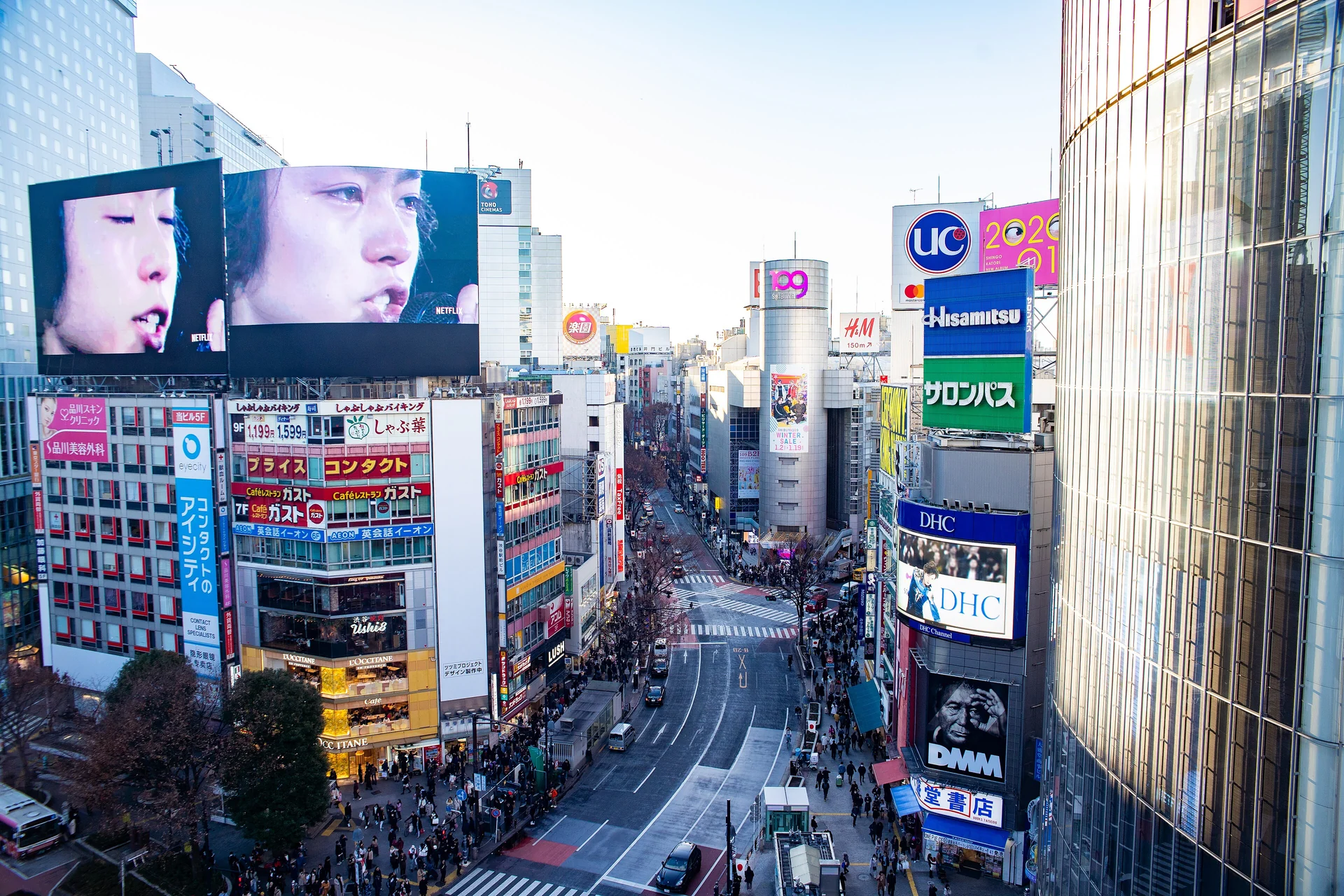
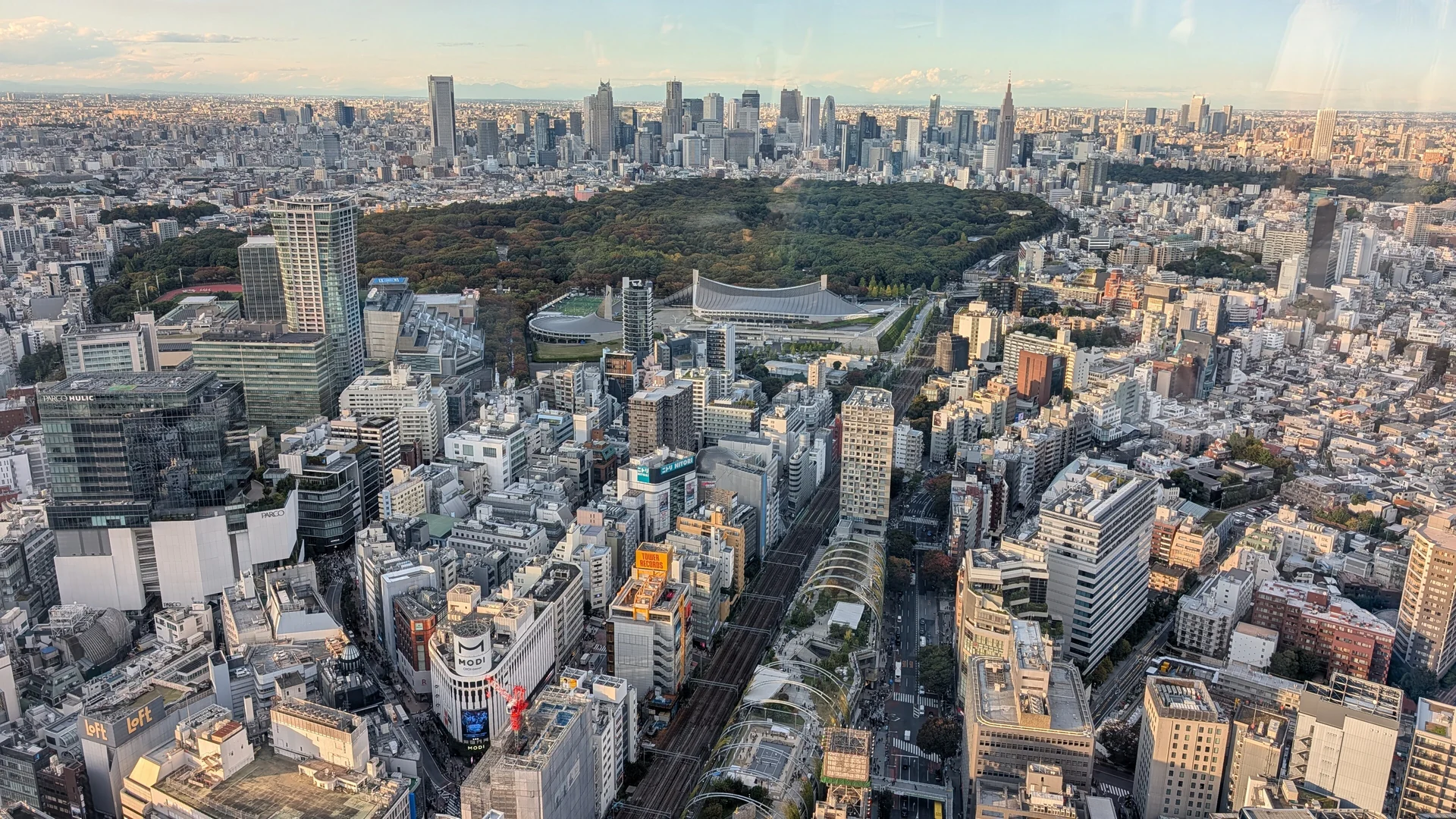
Choose one Shibuya viewpoint: SHIBUYA SKY, MAG8 or a café
The closest view of the pedestrian movement and the broadest skyline are different experiences. Decide what you want to see before buying a ticket. Paying for a very high deck does not necessarily produce the close crossing composition you had in mind.
| Place | Best reason to choose it | Cost and planning point |
|---|---|---|
| SHIBUYA SKY | An expansive city panorama above Shibuya Scramble Square. | Paid, timed admission. Check the current official ticket price for your date; roof access depends on conditions. |
| MAG8, MAGNET by SHIBUYA109 rooftop | Looking down towards the scramble from a lower rooftop. | The official listing gives ¥1,800 per person including one drink; adverse weather can affect access. |
| SHIBUYA TSUTAYA SHARE LOUNGE | An indoor seated break with a crossing-facing setting. | Paid lounge plans; consult current rates and seat availability. A window position is not guaranteed. |
| Miyashita Park | An open-air pause above the surrounding shopping levels. | A public park alternative, rather than a substitute for a high skyline or close crossing viewpoint. Sports facilities are separate. |
MAG8 for the crossing, TSUTAYA for an indoor break
The current MAG8 operator page lists rooftop hours of 10:00–22:00, with last admission at 21:30. Its ¥1,800 admission includes one drink. Weather can shorten operations or close the rooftop, so check the day’s notice before going upstairs. Do not assume an old blog’s “free roof” description or earlier MAG’s PARK price still applies.
At the QFRONT building, SHIBUYA TSUTAYA’s fourth-floor SHARE LOUNGE offers an indoor alternative. This is a paid lounge with its own plans and reservation information, not an unrestricted public observation floor. Availability and the view from your particular seat matter. The building’s floor guide also states that the facility is cashless: bring a supported payment method.
If a short street visit is your priority, you can simply skip the paid view. Keep your spending for lunch or shopping and enjoy the crossing from the public pavements. A successful visit does not require an observation-ticket purchase.
04 · PLAN THE TICKETED STOP FIRST
SHIBUYA SKY: booking, entrance, weather and luggage
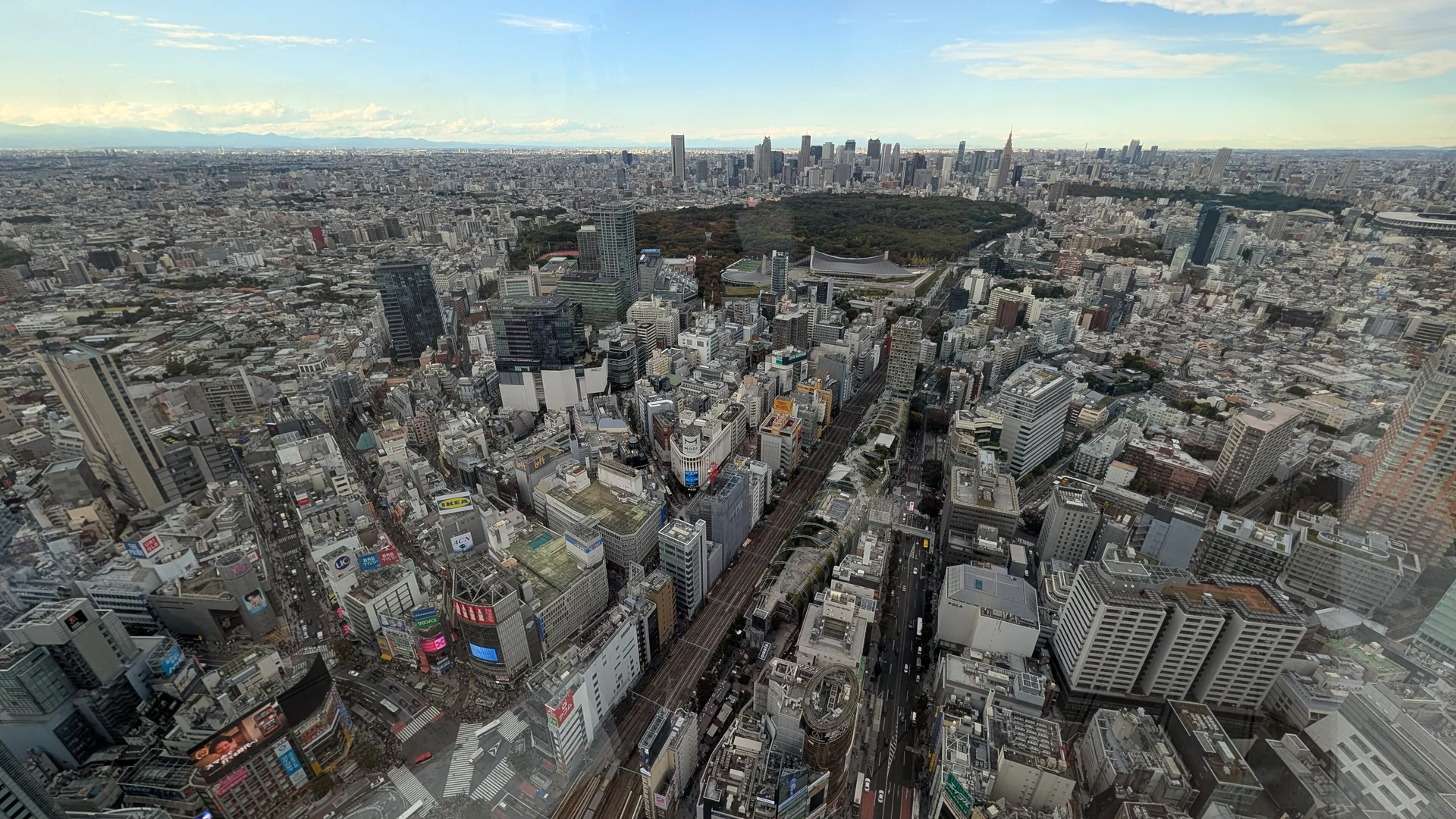
If the panorama is your must-do, arrange it before building the rest of the afternoon. On the official FAQ checked for this guide, admission tickets go on sale two weeks before the visit date at 00:00 Japan Standard Time. The published opening period is 10:00–22:30, with final admission at 21:20. The entrance counter and gate are on the fourteenth floor of Shibuya Scramble Square. Confirm current notices on the official FAQ before travelling.
Choose your desired experience, rather than a social-media promise. Daylight helps you study the buildings and streets; evening brings illuminated city patterns. Sunset changes with the season, and a time slot does not guarantee a clear sky, Mount Fuji visibility or a particular photograph.
Clear your bags before going to the roof
The official admission notes restrict bags, hats, loose items and equipment such as tripods and selfie sticks on the outdoor roof. Use the designated lockers as instructed. Large luggage cannot be left in the facility’s lockers; arrange suitable storage elsewhere before entry. A personal stroller is also restricted on the roof, with facility loan strollers subject to availability.
Wind, rain, lightning or heat can restrict the roof even when indoor areas remain in operation. Read the cancellation conditions before entry; the operator distinguishes pre-entry situations from weather changes after entry. Keep an indoor shopping or café alternative in mind rather than promising the group a sunset rooftop experience regardless of conditions.
A useful preparation sequence: confirm the ticket and date → plan storage → identify the fourteenth-floor entrance → leave time for lifts and entry procedures → follow the roof staff’s instructions. The suggested itinerary below includes a buffer for this, but your ticket conditions take priority over our sample clock times.
05 · SHOP IN ONE DIRECTION
Shibuya shopping: Center-Gai, SHIBUYA109 and PARCO
Once you leave the intersection, the visit becomes more personal. Someone interested in fashion can spend the same hour very differently from a family looking for game-character merchandise. Choose a branch and a few stores, rather than zigzagging between every landmark.
West-side streets and SHIBUYA109
Center-Gai leads into a busy mix of signs, shops and food businesses beyond the crossing. Walk a short section, turn into a side street if it interests you, then decide whether to browse or keep moving. A street with many restaurants is useful, but it is not evidence that every counter suits your budget or dietary needs.
SHIBUYA109’s rounded building is a fashion landmark towards Dogenzaka. It is a different building from MAGNET by SHIBUYA109 beside the scramble. If your plan involves the rooftop, confirm which building you need before following a “109” sign. For ordinary shopping, go in with a category in mind—clothes, accessories or a gift—so that the visit does not become an aimless lift ride.
PARCO for games, characters, fashion and design
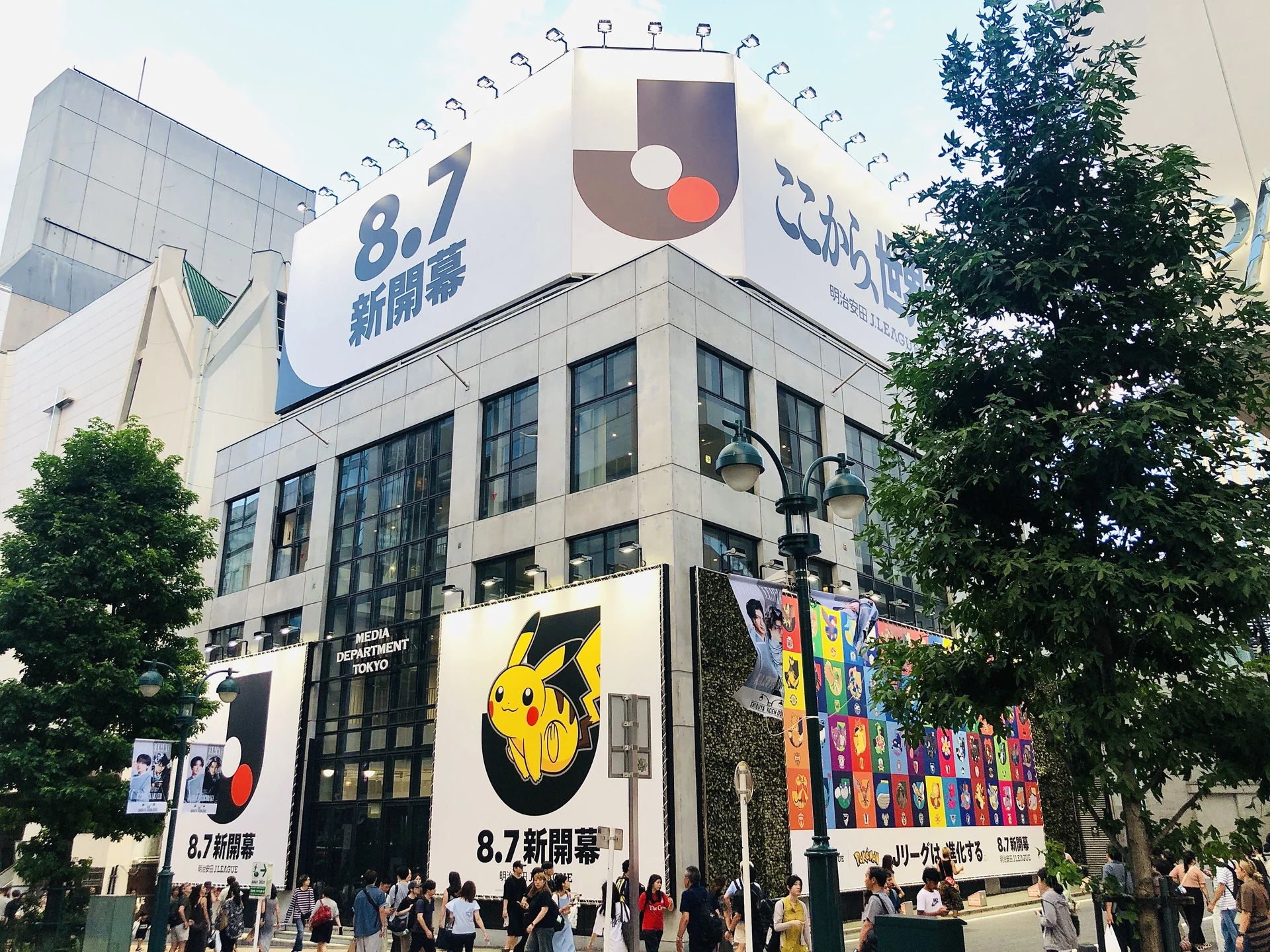
The current PARCO sixth-floor directory lists Nintendo TOKYO and Pokémon Center Shibuya among its character and game shops. If those are the point of your visit, give them a proper block of time and check current entry arrangements. A store being open does not guarantee immediate entry or stock of a particular item.
PARCO’s published access and hours notice gives 10:00–21:00 for the sixth-floor shops, while ordinary retail is generally 11:00–21:00, with exceptions. Morning access to the sixth floor has specific instructions; check them rather than expecting every escalator and floor to operate together. Visitors using a stroller or wheelchair should use the operator’s lift instructions.
A compact west-side shopping loop can link Center-Gai with a chosen store and PARCO before returning towards the station. If you are spending a long time on the sixth floor, drop another shopping stop. Keep the timed panorama as an anchor rather than trying to squeeze it between unpredictable queues.
06 · AN OPEN-AIR PAUSE
Miyashita Park: a rooftop walk with food and shopping below
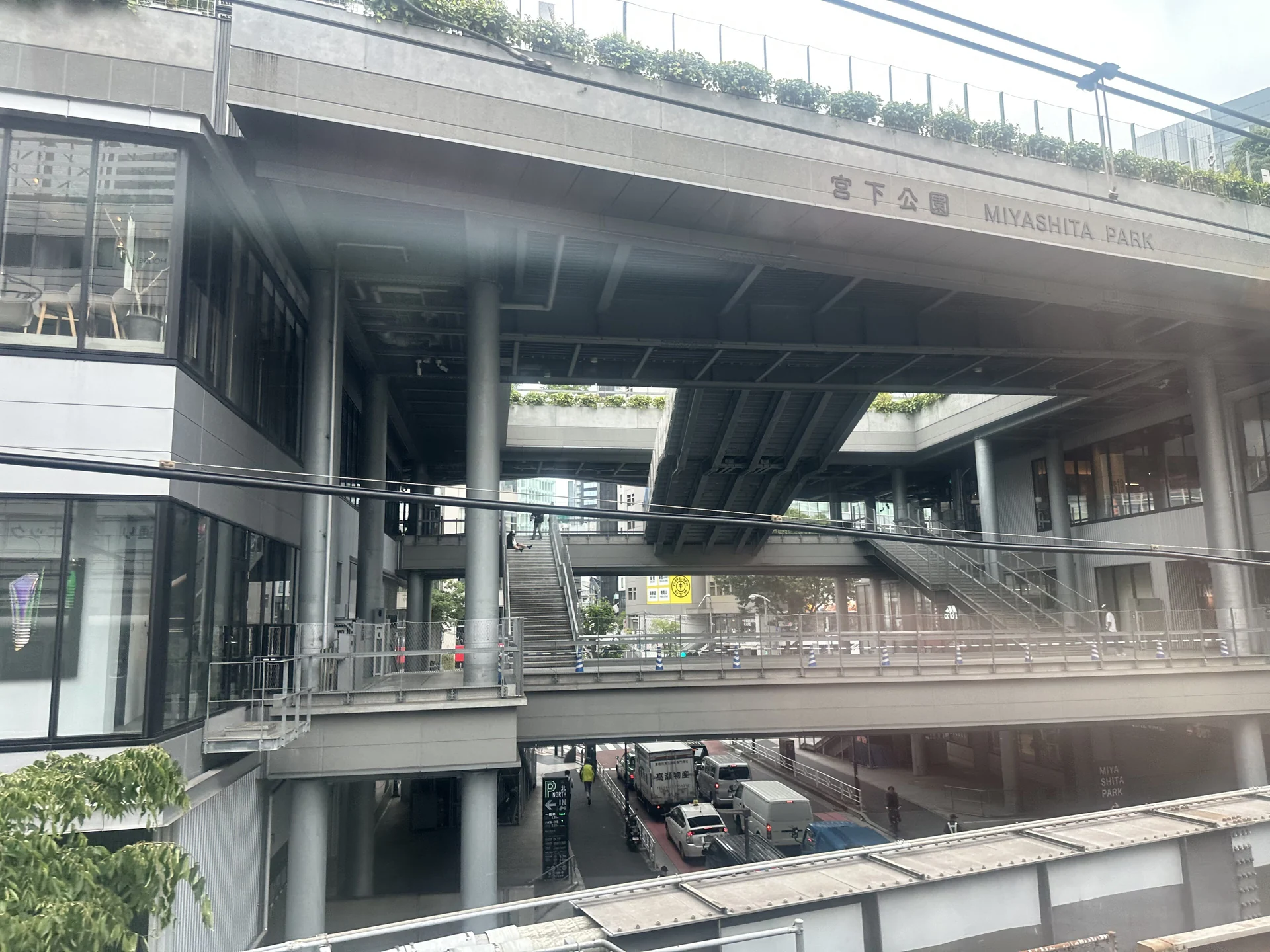
Miyashita Park offers a change of pace north of the station area. The complex combines a public park with shopping, dining and a hotel. Think of it as a place to take a break and change perspective, not as another high observation deck.
The park operator’s current outline lists the public park as open 08:00–23:00, with closure from 29 December to 3 January. The sports facilities have separate arrangements. The park’s opening period does not mean the shops, restaurants or sporting activities are all available for the same hours. Check notices for closures and events, too.
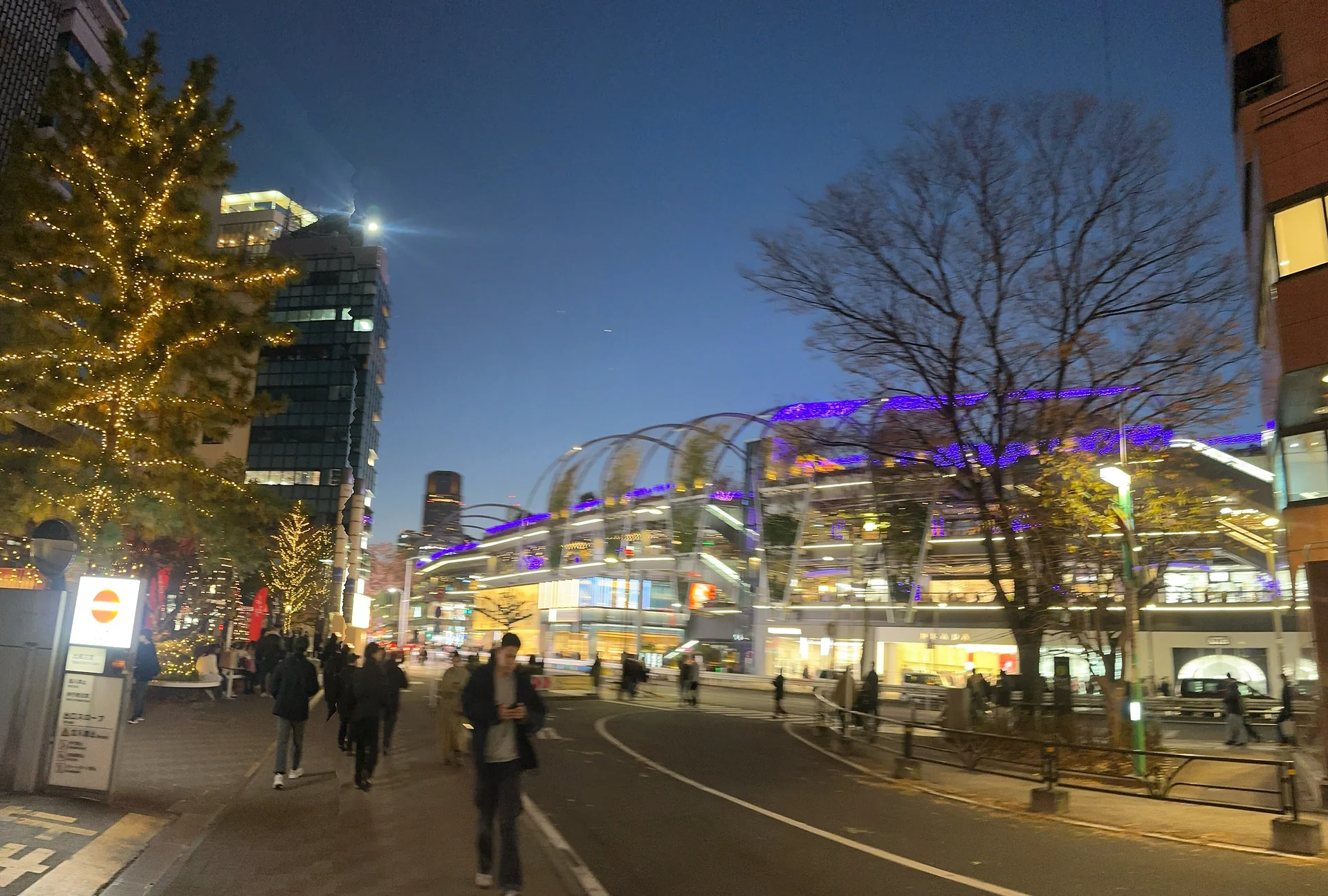
This is a useful northern branch if your group prefers a park break and a few shops to an extended west-side shopping loop. In strong sun or rain, shorten the exposed section and choose an indoor break. Do not add a sports activity as a casual five-minute stop: equipment, admission, age conditions and availability need their own check.
The lower-level food areas can help when the group wants a choice of menus in one location. Look at actual menus and seating before joining a queue. A lively dining lane and a quiet family lunch are different kinds of break, even when they occupy the same complex.
07 · GIVE LUNCH ITS OWN TIME
Where to eat in Shibuya: choose a meal, not just another queue
A half-day can easily turn into a succession of takeaway snacks with nowhere to sit. Decide whether your meal is a quick refuel, part of the shopping visit or the main experience. A seated lunch also creates a useful point to review the afternoon: are you still comfortable walking, and is the next stop worth the extra time?
For a practical starting shortlist, the current PARCO restaurant directory lists Onyanma for udon, Jikasei MENSHO for noodles and Vegan Izakaya Masaka on B1F, plus Kanazawa Maimon Sushi on 7F. These are operator-listed examples, not places we claim to have reviewed. Check the individual menu, opening notice and entry arrangements before going.
| Meal style | Why it can work | Check before you wait |
|---|---|---|
| A noodle or rice meal | A defined meal rather than repeated snack stops. | Broth, toppings, portion size, seating and the actual queue. |
| A mall restaurant floor | Several menus near the shops you already plan to visit. | Each restaurant’s last order, budget and whether your group can sit together. |
| A vegan-focused venue | A useful place to begin an ingredient conversation. | Current menu and allergy/cross-contact needs; the venue name is not an individual safety guarantee. |
| A café or dessert break | Rest, a drink and time to decide what to do next. | Minimum orders, time limits, payment and whether a window seat is actually available. |
| An evening izakaya | A deliberate dining outing after the sightseeing walk. | Age policies, cover charges, smoking arrangements, reservations and return transport. |
If you have allergies, halal requirements or strict vegetarian needs, ask about sauces, stocks, preparation and cross-contact directly. A photograph of a vegetable dish or an English menu does not answer those questions. Keep a written explanation of your requirements and an alternative venue in mind.
You can browse the Center-Gai streets, the park complex or a restaurant directory to choose a place. You do not need to travel across the district for a viral dish if doing so risks your observation booking or leaves the group hungry in a queue. For a food-led evening, reserve more time and remove a sightseeing stop.
08 · AN ORIGINAL FIVE-HOUR OUTLINE
A Shibuya half-day itinerary from Tokyo: 12:00 to 17:00
Start from your Tokyo accommodation and reach Shibuya before the first sightseeing block. Hotel-to-station travel, finding the correct exit and luggage storage are additional to the route below. This example uses a hypothetical 15:00 SHIBUYA SKY entry; it does not describe a currently available ticket or a sunset schedule.
| Time | Suggested stop | Decision that keeps it practical |
|---|---|---|
| 12:00–12:25 | Hachiko and one crossing of the scramble. | Take photographs from a considerate pavement position; do not keep repeating the crossing. |
| 12:25–13:15 | A seated lunch around your chosen shopping area. | Choose a backup if the queue would consume the whole block. |
| 13:15–14:20 | One shopping branch: west-side streets/PARCO OR the northern park area. | A large character-store queue means cutting another store, not rushing the rest. |
| 14:20–15:00 | Return to Scramble Square, finish storage and find the 14F entrance. | This is an entry buffer, not spare time for a distant shop. Follow your actual ticket instructions. |
| 15:00–16:15 | SHIBUYA SKY, subject to your admission and operating conditions. | Use the indoor alternative if the roof is restricted; do not count on a specific view. |
| 16:15–17:00 | A short break and return towards the correct station or agreed pickup. | Keep time to collect stored bags and find your onward route. |
A version without a paid observation ticket
Keep the crossing and lunch, spend longer on your preferred shopping branch, then use Miyashita Park as the outdoor finish. A café is optional, not a compulsory replacement expense. You may finish earlier than 17:00; there is no reason to fill every minute simply because a sample itinerary does.
If you have only two hours
Choose Hachiko, the scramble and either a short shopping walk or a meal. A timed deck, a substantial restaurant queue and a character-shopping visit are too many uncertain blocks for that window. If you already hold a must-use deck ticket, build the short visit around it and remove the shopping loop.
For a different atmosphere on another day, our Asakusa half-day guide covers temple gates, traditional snacks and the Sumida River. Treat it as another district to enjoy properly, rather than an effortless extra at the end of every Shibuya afternoon.
09 · STAY FOR THE STREETSCAPE
Things to do in Shibuya at night
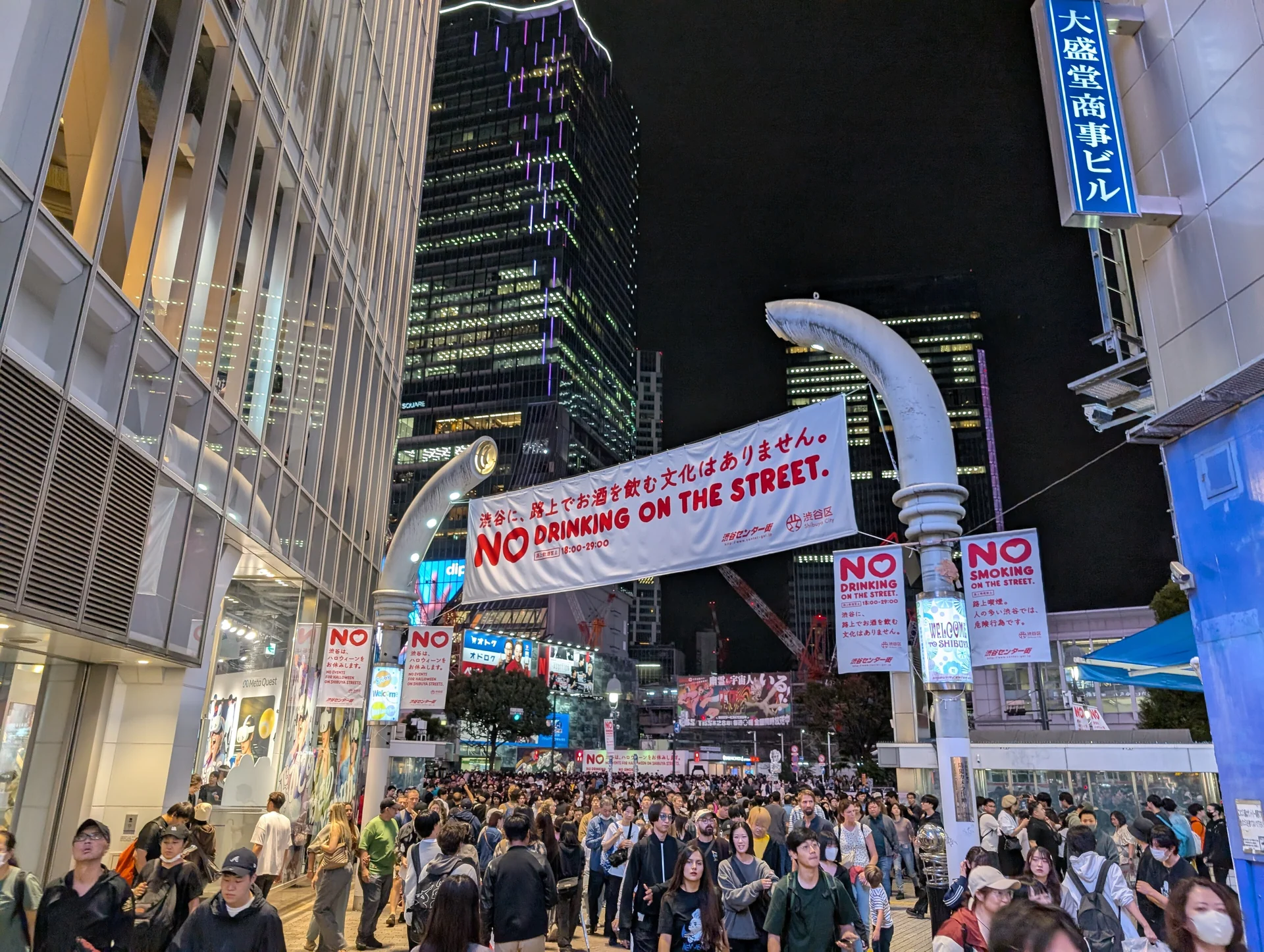
After dark, the crossing and Center-Gai take on a different character as screens, shopfronts and street signs become more prominent. A short return walk can be enough to experience the change. You do not have to combine it with a club, a bar tour and a second rooftop ticket.
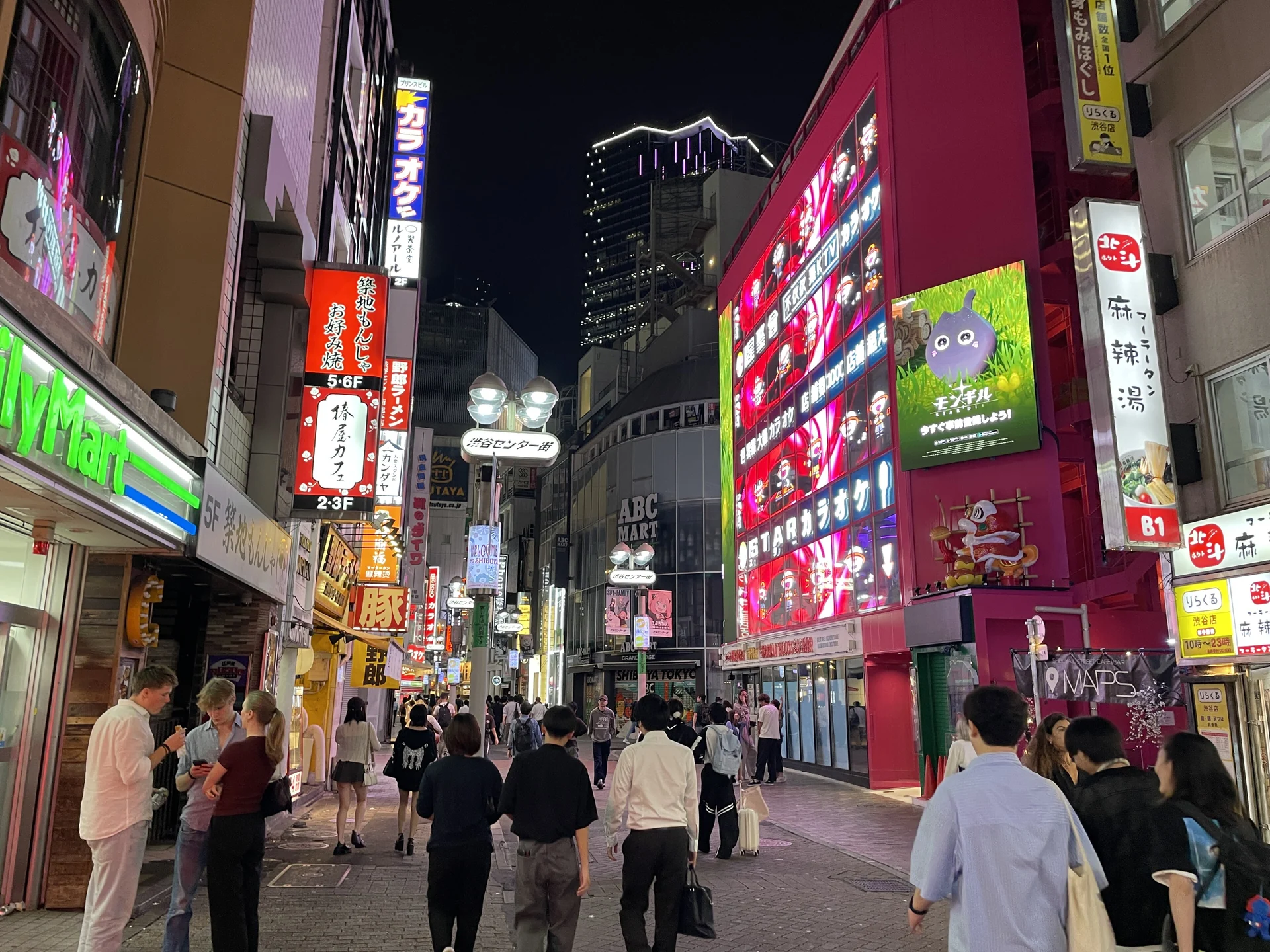
If dinner is the main event, move shopping earlier and make a specific dining plan. Check the venue’s menu, cover charges and age policy, and use current operator information for the last train or your arranged journey home. A lively street at midnight does not mean every restaurant, viewing area or train service is still available.
For a quieter visit, leave once you have seen the illuminated intersection and eaten. Families and visitors who dislike crowds can enjoy the atmosphere without seeking the busiest nightlife alleys. Choose the point at which the outing still feels comfortable for your group.
10 · MAKE AN EXTENSION A REAL CHOICE
Cat Street, Harajuku and the southern Shibuya streets
Cat Street is a shopping connection towards the Harajuku and Omotesando area. Its side streets and storefronts invite browsing, so the journey can become much longer than the time shown by a walking app. If you want this direction, replace part of the central shopping loop and decide where the walk ends.
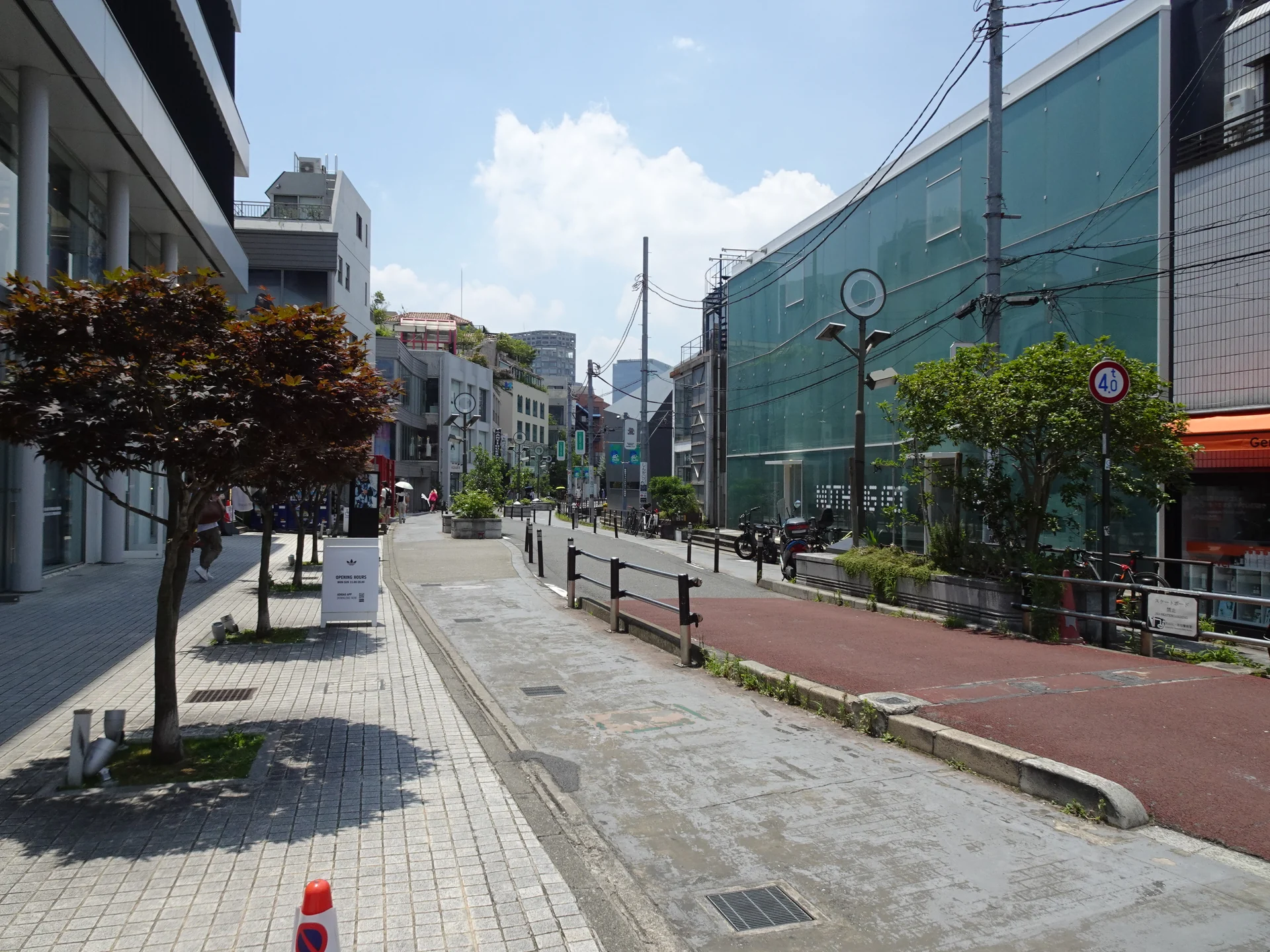
Harajuku, Takeshita Street and Meiji Jingu each deserve their own time. A shrine visit has a different purpose and access schedule from a late shopping walk. Choose a longer day with a clear order if both areas matter to you; do not assume that seeing their names in a “Shibuya” guide makes them all adjacent to the scramble.
On the southern side, the streets around Shibuya Stream offer another change of setting. Consider a short look if it fits your arrival or onward direction, instead of crossing the district solely to add one more item to the list. Raised walkways, stairs and different levels make it especially useful to check your route when travelling with wheels.
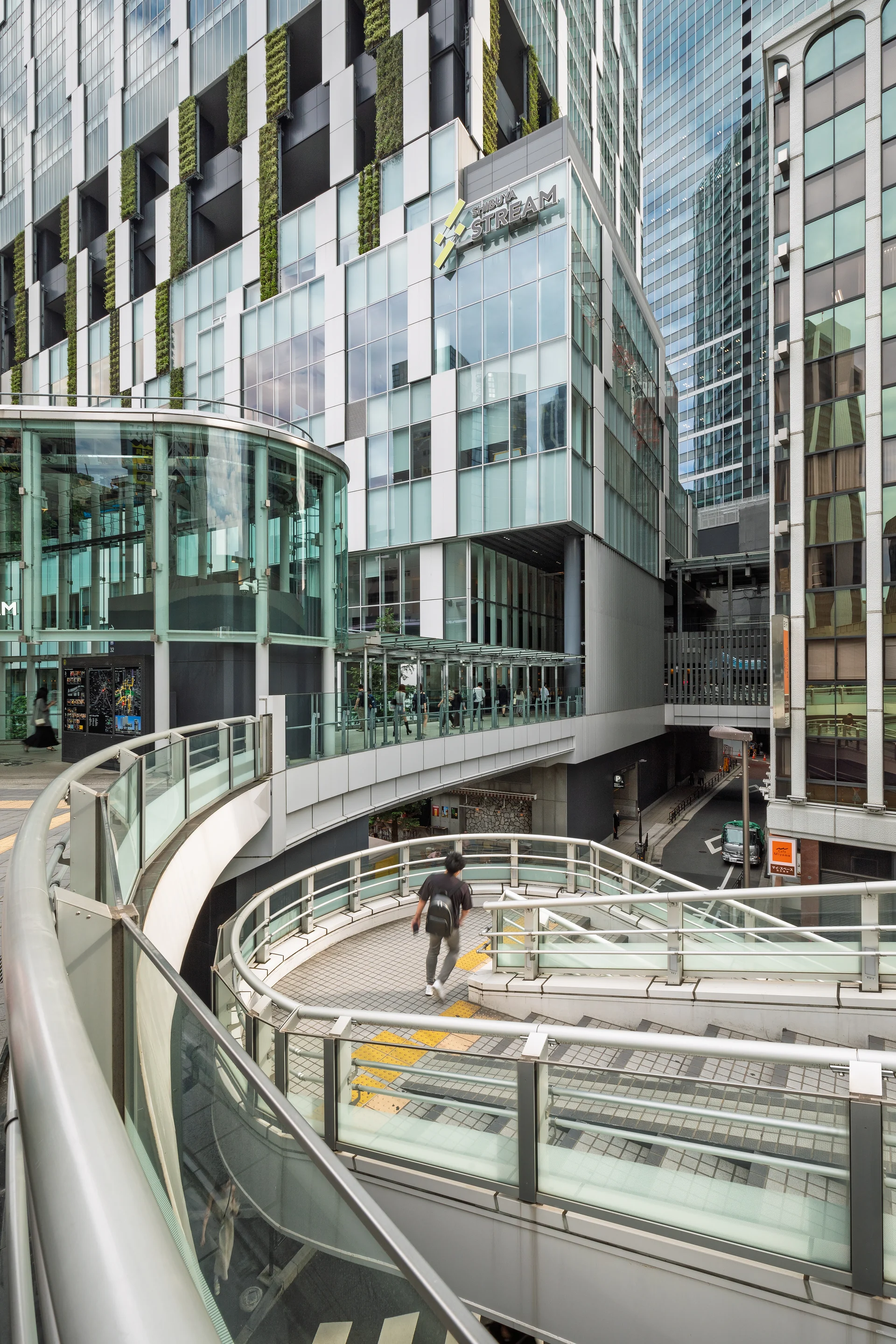
For a first half-day, choose one extension at most. If your main interest is fashion, keep the northern browsing time; if you are already heading south, make a small southern finish. If the group is tired after the viewpoint, return to the station and save the extension for another visit.
11 · A FEW DECISIONS BEFORE YOU LEAVE
Getting to Shibuya, rainy days and family planning
Choose a line and an exit, not just a station name
Shibuya is served by JR, Tokyu, Keio and Tokyo Metro services. Metro’s official Shibuya Station page covers the Ginza, Hanzomon and Fukutoshin lines, with station and accessibility information. Your best route depends on the hotel’s nearest station and the part of Shibuya you want first; a universal “Tokyo to Shibuya” fare or duration would be misleading.
Keep the line name and intended destination visible on your phone. Follow current signs, and leave time for station levels and works rather than relying on a remembered exit number. For an airport stopover, use our Tokyo layover planning guide to calculate usable city time before deciding that Shibuya fits.
Rain and heat: shorten the outdoor promises
Choose one shopping building, lunch and a short crossing visit for a wet afternoon. An indoor lounge can be a break if its price and available seats suit you. Check roof operations with the relevant attraction. Do not buy an outdoor experience solely on the assumption that the weather forecast guarantees access.
In hot weather, put water and seated breaks into the schedule and reduce the open park or street-walking sections. During cold or windy weather, a rooftop can feel different from the pavement. Dress for the planned activity and follow any restrictions rather than carrying loose items onto a roof.
Children, strollers and mobility needs
Choose a small number of recognisable stops and agree how to regroup if someone gets separated. A character-shopping visit can be the main attraction for a family; it does not have to sit on top of a full adult shopping itinerary. Put a meal and toilet break before the point at which everyone is tired.
For a stroller, wheelchair or limited walking tolerance, check the actual station-to-surface route, building lifts and attraction instructions. Short geographic distances do not guarantee a step-free connection. Ask the operator about a particular access need and allow more time for lift routes; reduce the number of stops if necessary.
A useful budget checklist
- Transport from your accommodation and the onward journey.
- One chosen paid view, or a visit based on public streets and the park.
- A meal and drinks, with the menu and any cover charges checked first.
- Shopping, baggage storage and any optional activities as separate costs.
- A backup plan if an attraction closes, a queue expands or the group needs to stop.
12 · WHEN A WIDER DAY NEEDS ARRANGING
Including Shibuya in a private Tokyo day
The central Shibuya visit is mainly a walking outing. A vehicle becomes a separate planning choice when you combine neighbourhoods, start from a hotel with substantial luggage, or need an agreed journey between stops. It does not remove the walking inside shopping areas or the need for attraction tickets.
If you would like TokyoVia to discuss a wider day, send your starting hotel, date, group, luggage, walking preferences and the one or two places that matter most. Specify whether you need transport, an accompanying guide or both. Our private driver or tour guide comparison explains the distinction.
For vehicle planning, use our Private Sedan, Private Van and Private Big Van guide. The suitable category, passenger/luggage fit, language support, availability and full quotation need confirmation for your request. A model name or a sample photograph is not a vehicle assignment.
Discuss Shibuya as part of your Tokyo day ↗ or explore our Tokyo and nearby day-trip ideas. If you only want a compact Shibuya walk, the independent route above is a complete starting point.
13 · QUESTIONS BEFORE YOUR VISIT
Shibuya travel questions answered
Is Shibuya worth visiting for more than the crossing?
Yes, if shopping, city views or urban street life interest you. Add one activity that matches your group rather than another crossing photograph. Visitors seeking temple streets may prefer a separate Asakusa visit.
How long should I spend in Shibuya?
Four to five hours is a useful first-visit allowance for the crossing, a meal, one shopping branch and a view. A short crossing visit can fit a much smaller window; long queues, extended shopping or Harajuku make it a longer outing.
What can I do in Shibuya for free?
Walk the public streets, see the crossing and Hachiko, and use the public park during its open periods. Shopping purchases, transport, food, paid viewing facilities and sports activities are separate expenses.
Is SHIBUYA SKY the same as a crossing viewpoint?
No. Choose it for the broad city panorama. If your main aim is watching the pedestrian movement close up, compare the lower MAGNET rooftop or an appropriate indoor lounge, with their current payment and access conditions.
Should I choose Shibuya or Harajuku?
Choose the Shibuya station district for the scramble, towers and central shopping. Choose a Harajuku-focused outing if its fashion streets or Meiji Jingu are your main reason for going. Combining them works better with extra time and fewer stops in each area.
Can I bring a suitcase to SHIBUYA SKY?
Plan suitable large-bag storage before entry and read the operator’s current item restrictions. Do not assume its roof lockers can hold your suitcase or that a cloakroom will accept it.
Is Shibuya a good place to visit with children?
It can be, with a focused plan, a meal break and a clear regrouping point. Choose one family priority, check any attraction’s age and stroller rules, and avoid building the whole afternoon around several uncertain queues.
Do I need a private car to see central Shibuya?
A compact station-area visit is normally explored on foot. Consider a private arrangement for a wider day or specific journey needs, and confirm guide support separately if you want someone accompanying the walking sections.
Official sources and planning notes
Operator and tourism information checked 19 October 2026. Prices, opening hours, booking rules and access arrangements can change. Consult current operator notices before paying or travelling. The walking route, comparisons and time blocks are TokyoVia editorial planning suggestions; we do not claim a personal visit or guarantee an experience.
- SHIBUYA SKY official FAQ: hours, booking release, entry, weather and baggage
- SHIBUYA SKY admission notes: roof items and stroller instructions
- MAG8 official rooftop listing: admission, hours and weather
- SHIBUYA TSUTAYA official SHARE LOUNGE feature
- SHIBUYA TSUTAYA floor guide and cashless notice
- Shibuya PARCO sixth-floor store directory
- PARCO floor-specific hours and entry arrangements
- PARCO restaurant and café directory
- Miyashita Park operator: opening period and closure dates
- GO TOKYO: current Shibuya district overview
- GO TOKYO: shopping geography (2019 guide; current shop details checked separately)
- Tokyo Metro: Shibuya Station and access resources
- JNTO: Shibuya Crossing and Hachiko background