Choose a museum that sparks your curiosity. Follow the paths to a temple and the pond. Finish among the market stalls of Ameyoko. Ueno makes room for a slower Tokyo day.
THE QUICK ANSWER
Allow five to seven hours for Ueno Park, one museum and Ameyoko. Start with your chosen museum, pause for lunch, then walk south through a small selection of shrine, temple and pond stops before exploring the market. Tokyo National Museum suits Japanese art and history; the National Museum of Nature and Science suits natural history and science; the National Museum of Western Art suits a focused art visit. If you prefer an outdoor half-day, leave the museum out and give the park, Shinobazu Pond and a meal more time.
Official details checked 21 October 2026. Prices below are standard adult collection/permanent-exhibition rates at that check; special exhibitions and eligibility rules differ. Route durations are editorial allowances.
01 · MAKE ONE CHOICE FIRST
Ueno Park: choose the kind of day you want
Ueno Park brings several major attractions together, but a pin on the same park map does not make each one a quick stop. A museum can absorb a morning; the zoo can become the main outing; a pond walk and a market lunch can fill a satisfying half-day on their own. Choose an anchor before drawing the route.
The simplest shape is north to south: the museum area first, then selected park paths and religious sites, Shinobazu Pond and finally the streets of Ameyoko towards Okachimachi. If you arrive near the pond or only want an outdoor visit, reverse or shorten that order. Your hotel route and first attraction should determine the arrival point.
| Your priority | Build around | Keep optional |
|---|---|---|
| Japanese art and history | Tokyo National Museum, a meal and a short southern park walk. | A second large museum. |
| Science and natural history | A focused visit to the National Museum of Nature and Science. | Every exhibition floor and a full zoo visit on the same day. |
| Western art or architecture | National Museum of Western Art, then shrine/pond and lunch. | A special exhibition without checking its separate ticket. |
| A mostly outdoor half-day | Park paths, one temple or shrine, Shinobazu Pond and Ameyoko. | A paid indoor attraction added late in the afternoon. |
| Young children and an easy finish | One main attraction, a seated meal and a short open-air section. | A long chain of stops after the group is tired. |
| Cherry blossoms | A flexible park walk around current blooms and crowd conditions. | A fixed full-bloom date or an assumed nightly event schedule. |
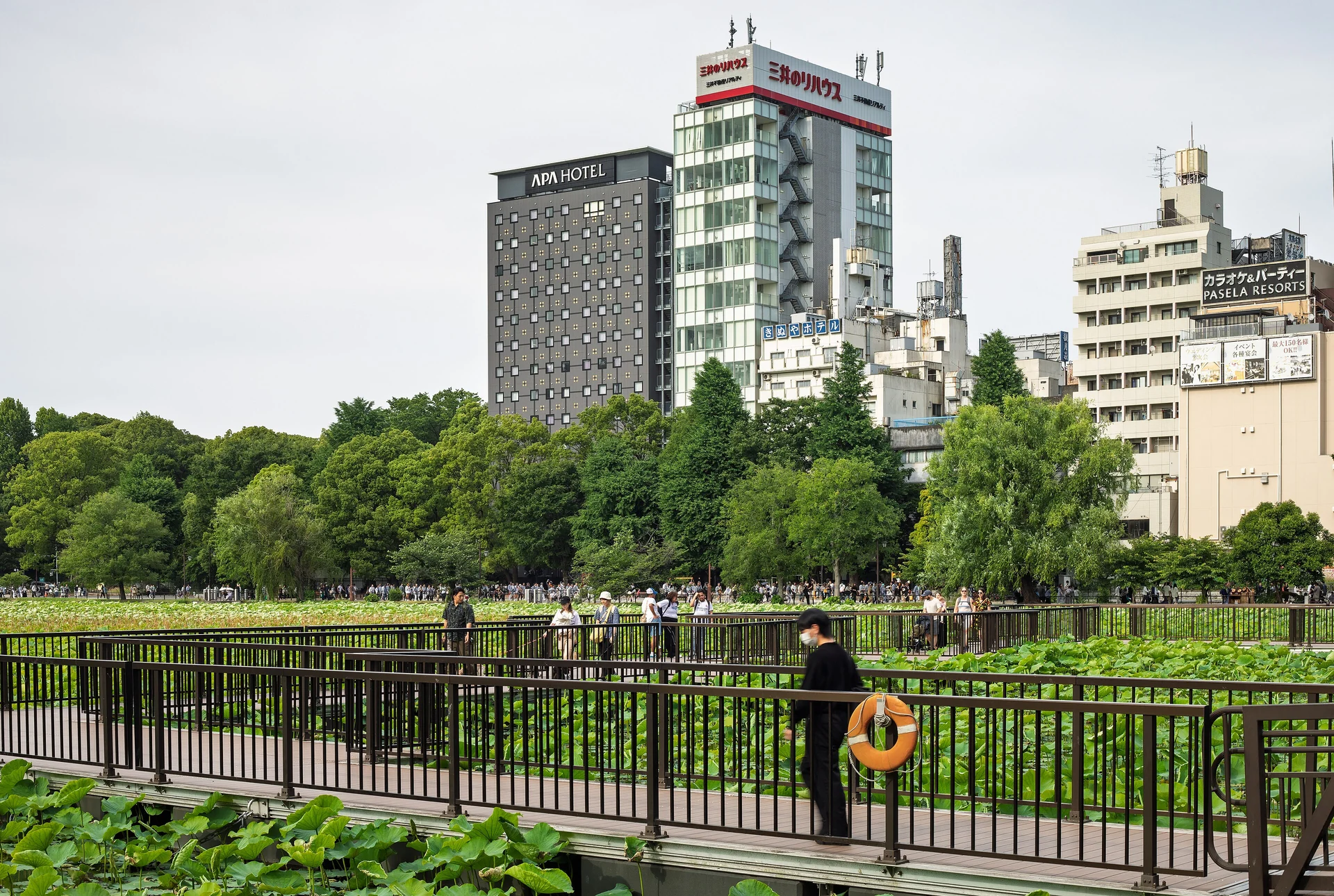
The public park has no general admission charge; museums, the zoo, boating and some shrine areas are separate. GO TOKYO’s park information distinguishes the park from its facilities. Budget for the attraction you choose and a proper meal, then leave room for an unplanned pause.
02 · ONE MUSEUM, CHOSEN WELL
Compare Ueno Park museums before buying tickets
Choose by interest rather than a ranking of the “best” museum. Ask each person what they would like to see, then make a small plan inside that institution. Two hours spent with a subject you enjoy is a stronger start than three quick entrances that leave the whole group overloaded.
| Museum / focus | Standard adult rate | Regular hours and last entry |
|---|---|---|
| Tokyo National Museum — Japanese art, archaeology and broader Asian collections | ¥1,000 for TNM Collection Exhibitions. | 09:30–17:00; Fri/Sat until 20:00, also Sundays before a Monday holiday. Last entry 30 minutes before closing. |
| National Museum of Nature and Science — natural history and science | ¥630 for the permanent exhibition. | 09:00–17:00; last entry 16:30. Check calendar for extensions and closures. |
| National Museum of Western Art — Western art and a notable modern building | ¥500 for the permanent collection. | 09:30–17:30; Fri/Sat until 20:00. Last entry 30 minutes before closing. |
These museums generally close on Mondays, with holiday substitutions and date-specific exceptions. Open each operator’s calendar before settling the day. A public holiday can move the closure into Tuesday, and maintenance can affect only part of a building. Special exhibitions can have different prices, booking arrangements and hours.
Tokyo National Museum: pick a gallery or a theme
Choose this museum if Japanese art and history are central to your trip. Use the current exhibition list to select a gallery or theme, then give yourself permission to leave other buildings for another visit. The museum campus is an attraction in its own right, and a full circuit is a different commitment from a short introduction.
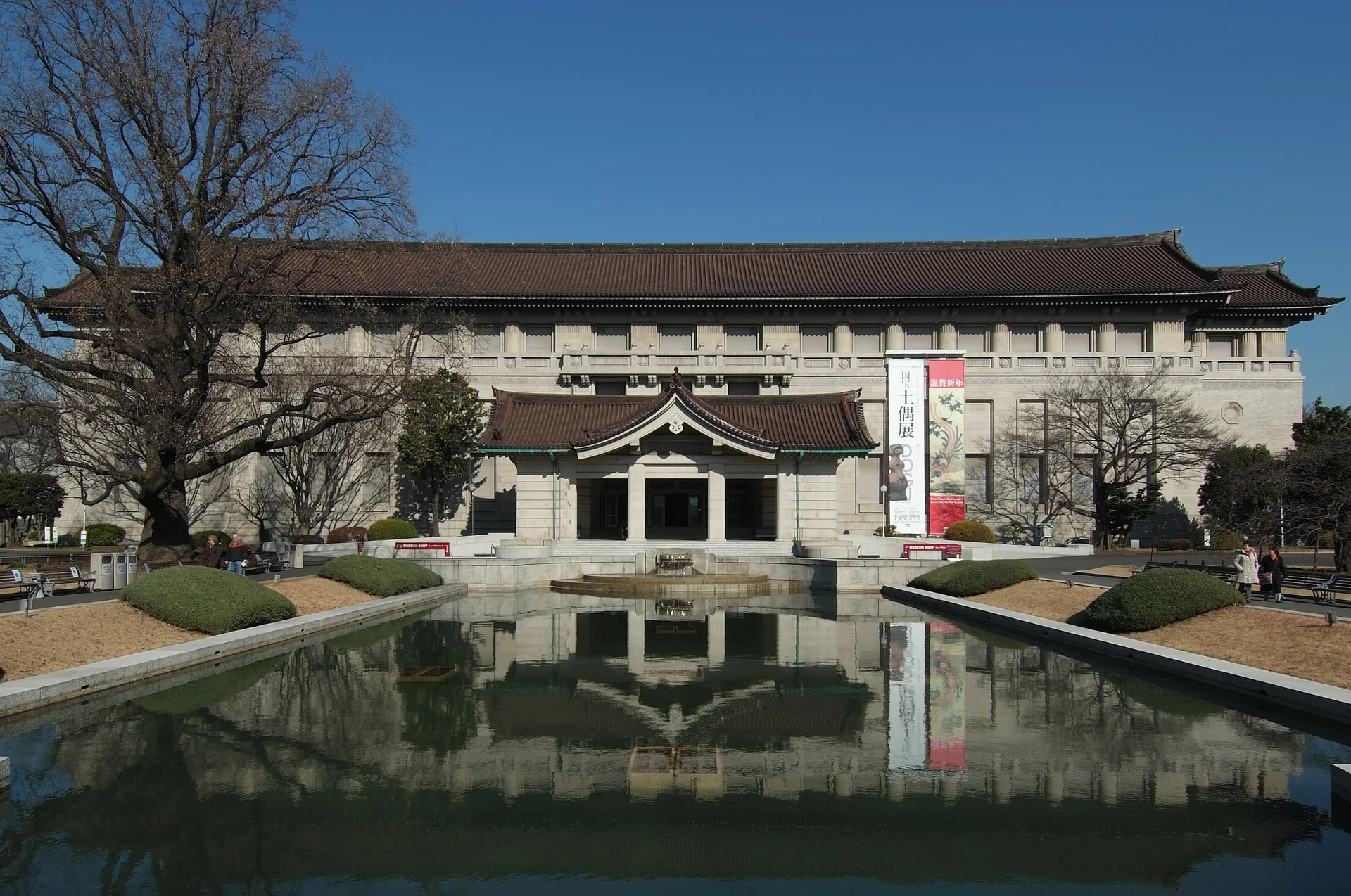
Two current planning points matter. The official visitor page says suitcases are not permitted and security screening is in operation. It also announces that Honkan Room 4 closes from 26 October 2026 to 25 April 2027. Store luggage before arriving and consult the latest room notices if a particular collection is your reason for visiting.
For the model route below, allow roughly two hours for selected galleries plus an arrival buffer. That is a starting allowance, not a claim that the whole museum can be seen in that time. If you book a major special exhibition, reduce the afternoon walk instead of squeezing both programmes together.
National Museum of Nature and Science: follow a question
A useful family approach is to choose a question—how dinosaurs changed, how the Japanese islands developed, or how scientists investigate the world—and follow the relevant exhibits. This gives children something to look for and makes it easier to stop after a manageable amount of time.
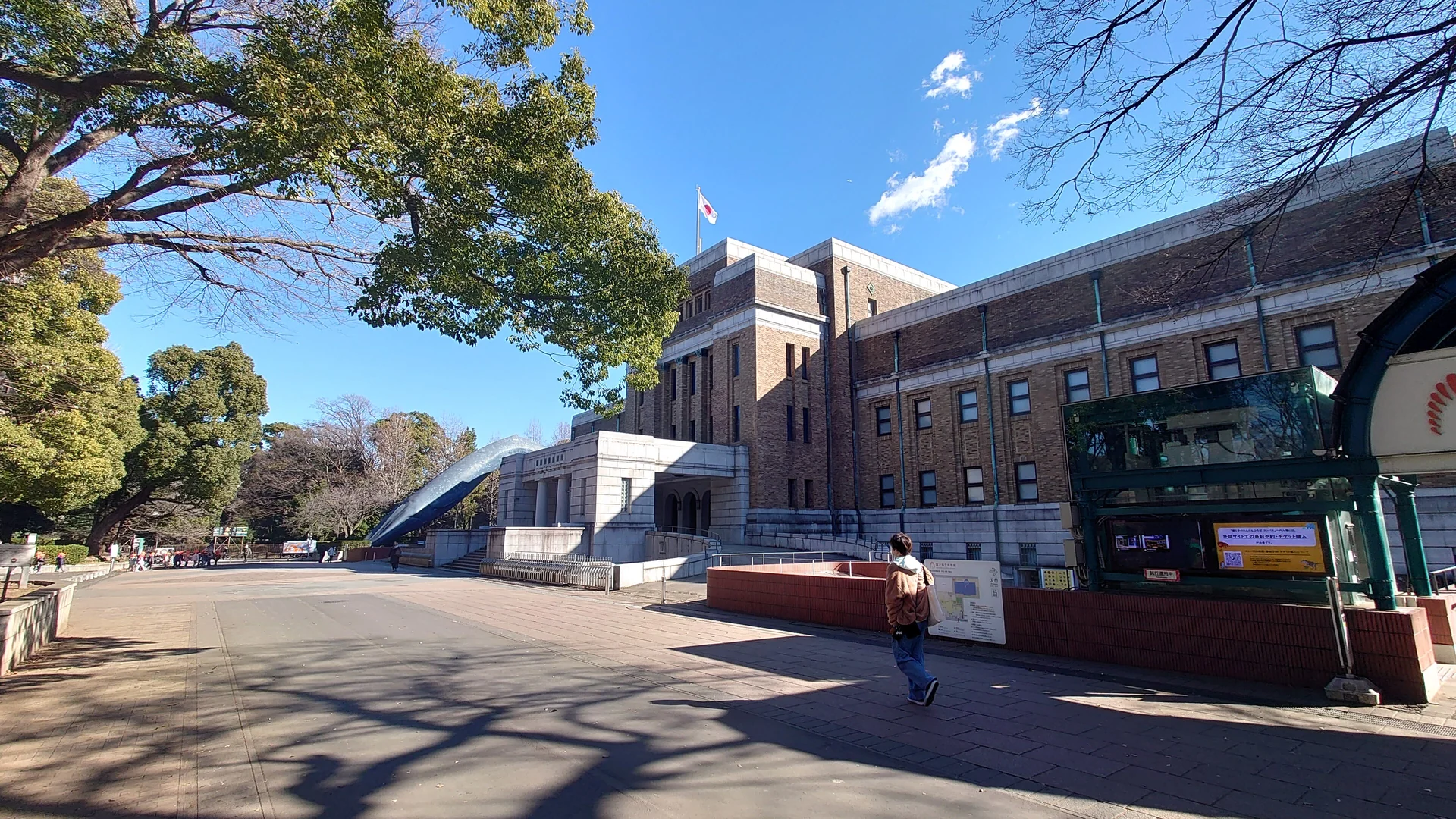
The official science-museum floor map places dinosaur evolution on the Global Gallery’s B1 level. It also notes partial 2F closures and the B3 renovation closure from 8 September 2026. Check the current map for the exhibits that matter to you; a floor name in an older travel article is not enough to establish present access.
Use the admission page and opening calendar for the day’s arrangements. The Japan Gallery and Global Gallery offer different ways into the subject, so make one the initial focus and add more only while the group is enjoying it.
National Museum of Western Art: a focused art choice
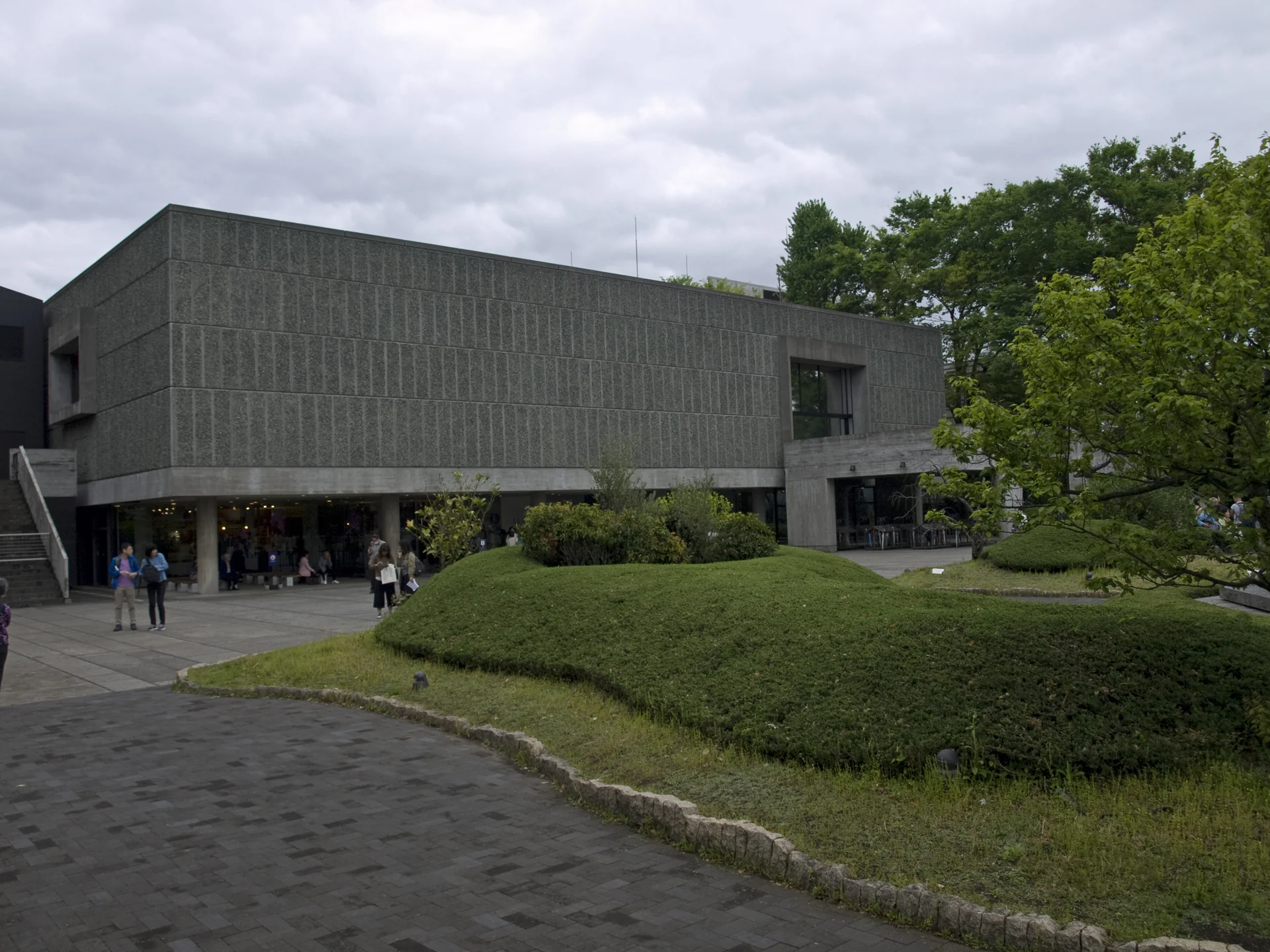
Choose this museum for Western paintings, sculpture and an interest in the building itself. Its official FAQ explains the Matsukata Collection and Le Corbusier’s Main Building. Decide whether the collection or a particular temporary exhibition is the priority before choosing a ticket.
The current general-information page lists an extended permanent-collection closure from 12 January to 19 March 2027. Recheck the calendar and rates for visits after the date of this guide. A special-exhibition programme and the regular collection should be considered separately.
Inside any museum, follow the room’s photography instructions. Permission in one gallery does not carry over to loan works, temporary displays or commercial use. Spend some time looking without a screen; you will remember more than a sequence of labels photographed in a hurry.
03 · GIVE THE OUTDOOR PART A SHAPE
Walk Ueno Park from the cultural area towards the pond
After a museum visit, avoid turning the rest of the park into a second list to complete. Choose one religious site, follow a route towards the southern side and pause by the water. A seated break is part of the visit, especially if the museum morning involved a lot of standing.
Use the Tokyo Metropolitan Government’s park site for the layout and current notices. Main avenues, smaller paths, steps and access routes serve different purposes. With a stroller, wheelchair or limited walking tolerance, choose the actual connection between stops rather than assuming the shortest line on a map is suitable.
If you have left the museum later than planned, cut a stop before cutting the meal. You can enjoy the pond without circling its full perimeter, or visit one shrine without adding all the temple buildings nearby. The route remains a good Ueno day when it has fewer stops.
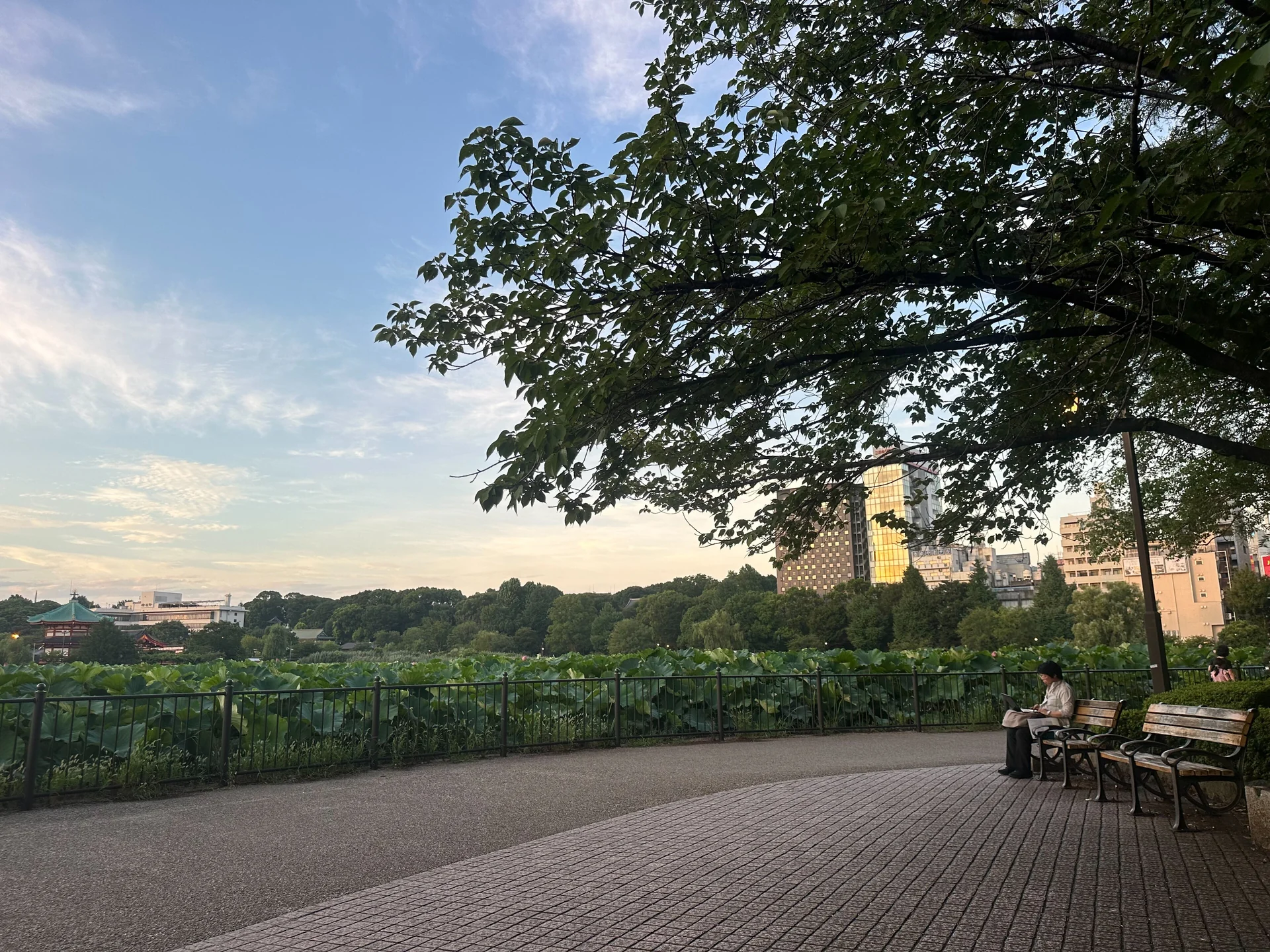
Ueno Toshogu: free approach and a separate paid area
Ueno Toshogu’s official Japanese visitor information separates ordinary worship from paid close-up viewing inside the surrounding wall. General access is free; the paid viewing area is ¥700 for adults/junior-high students and above. The shrine building interior is not open to visitors.
In October–February, general visiting is 09:00–16:30, while paid viewing is 09:30–16:00; March–September uses later finishing times. Weather can affect access. Choose the visit you actually want and arrive early enough for that part, rather than treating the outer gate’s closing time as the paid-area deadline.
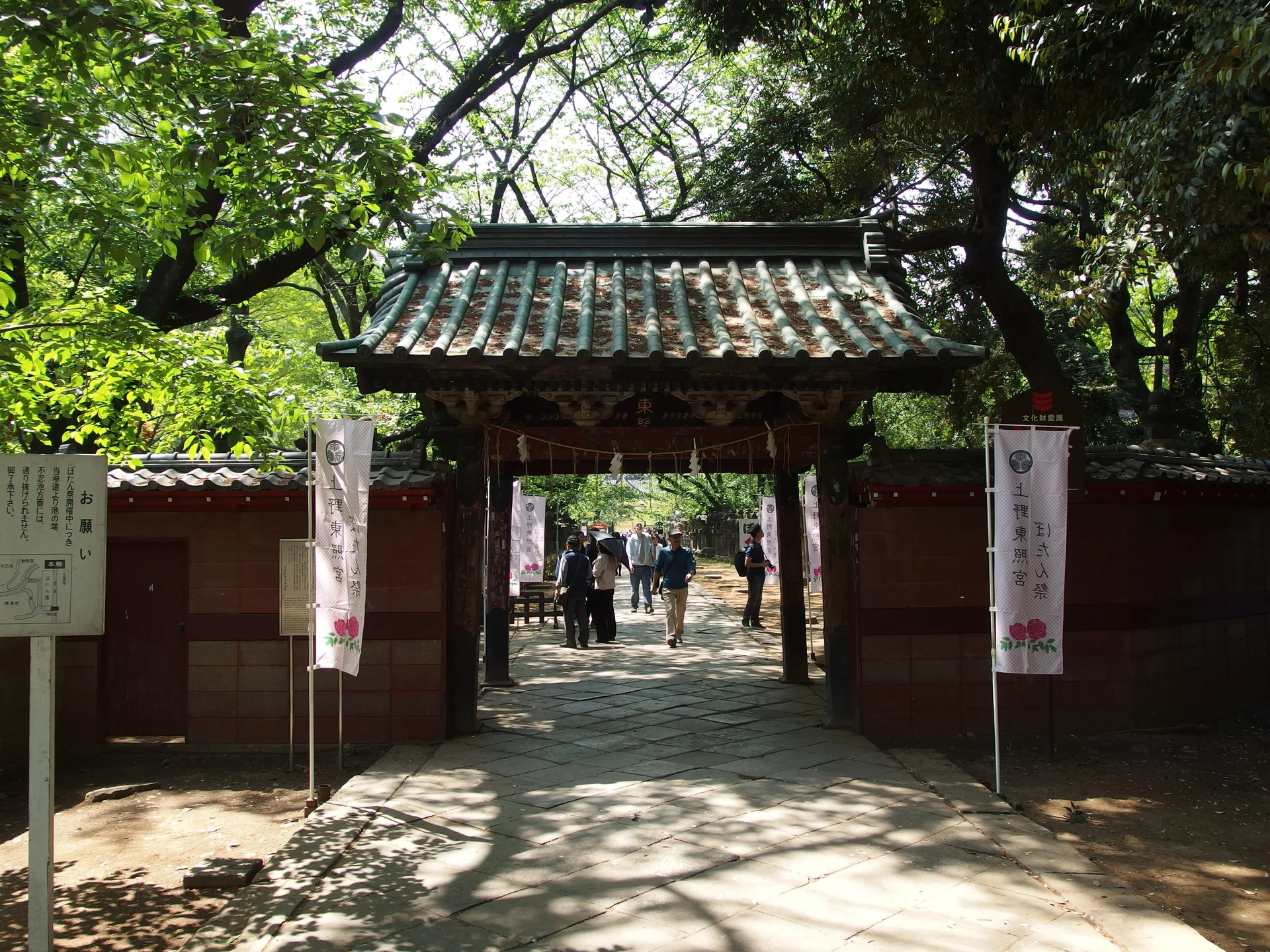
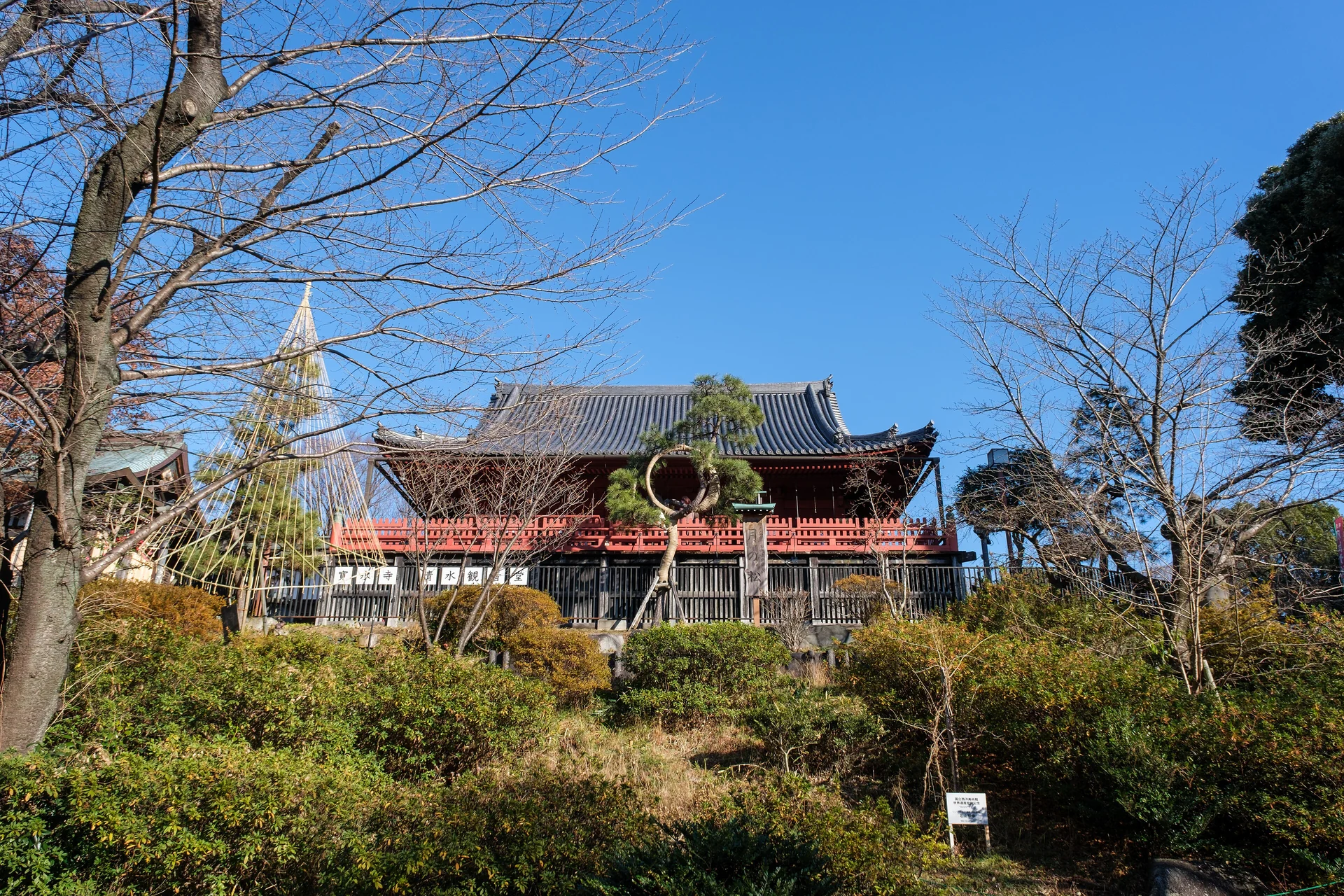
Kiyomizu Kannon-do: a short temple pause
The temple’s own guide explains the connection with Kyoto’s Kiyomizu-dera and the hall’s relocation to its present site in 1694. Its raised setting and distinctive pine make it an interesting stop as the route moves towards the pond. The published opening period is 09:00–17:00.
This is an active place of worship. Keep the approach clear, follow signs and avoid interrupting a ceremony for a photograph. A few attentive minutes are enough if you have a longer waterside walk in mind. You do not have to include both this hall and every other nearby temple stop.
04 · A WATERSIDE CHANGE OF PACE
Shinobazu Pond and Bentendo: walking, lotus and optional boating
The pond gives the route a clear change of mood after exhibition rooms and tree-lined paths. Choose a waterside section with a useful onward connection, take a break and look back towards the buildings beyond the greenery. The contrast is part of Ueno’s character.
Lotus plants, open boating water and different paths create several pond views. The photographs on this page show their particular seasons. A summer image full of green leaves should not be read as a promise of that appearance in winter, or of flowers at any hour on a summer visit.
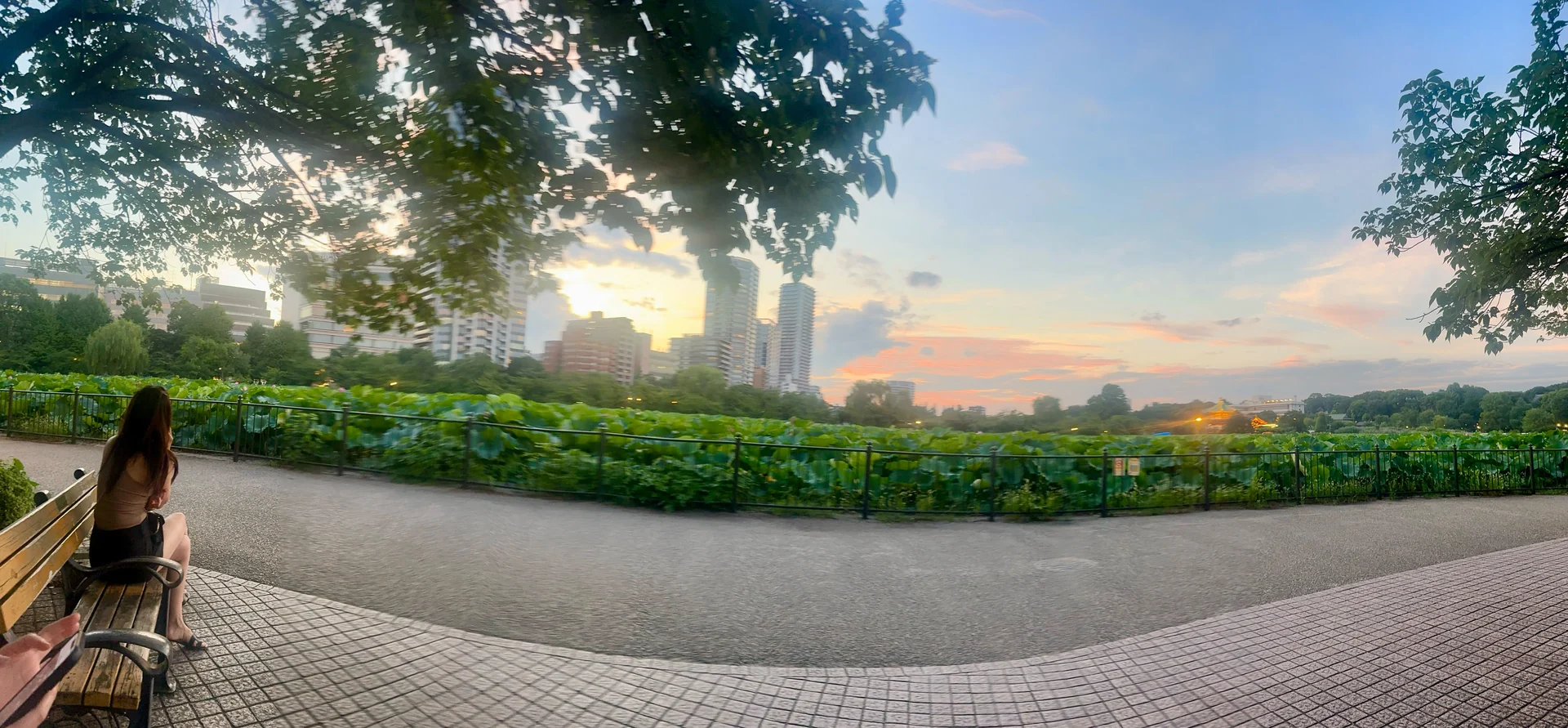
Bentendo is a worship stop, not just a pond landmark
The temple’s current opening-hours notice gives 09:00–17:00 for Shinobazu Pond Bentendo. That differs from some older secondary guides. Plan a daytime visit if you want access to the hall, and keep the worship area distinct from the wider public paths.
Boating is an optional activity with its own closing time
If being on the water is a priority, check the park association’s boat-facility page before fixing the route. At this check, an October or March visit has boat operations 09:30–17:20, with reception ending 16:20. Winter has an earlier finish and December–February Wednesday closures. Conditions can change operations.
Make boating a replacement for part of the walk rather than an automatic extra. Confirm the boat type, capacity, price and operating conditions at the facility. Visitors who prefer to stay on land can enjoy the pond without buying an activity.
05 · FROM PARK PATHS TO MARKET STREETS
Ameyoko and Ueno street food: plan a meal, then browse
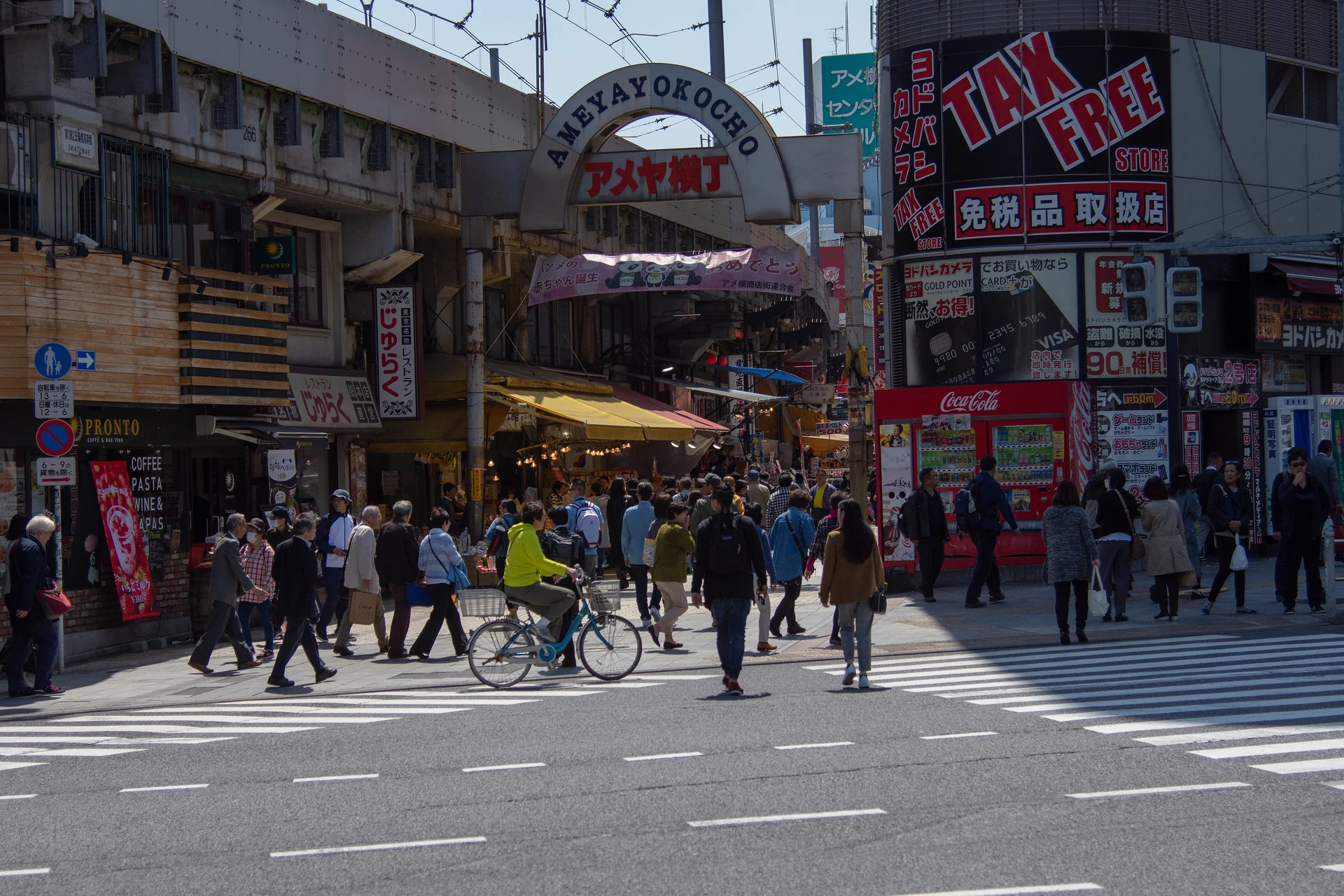
Ameyoko lies by the railway between Ueno and Okachimachi. It is a shopping area with many separate businesses, not a single enclosed food market with one opening time. The official shopping-street directory helps you identify a particular shop and its individual hours.
Decide whether this stop is lunch, a snack or shopping. A series of small purchases can be fun, but it may not give a tired group the seated break it needs after a museum and park walk. Put the meal first if people are hungry; browse after you know everyone is comfortable.
A concrete food option: Niku no Ohyama
For a fried snack, Niku no Ohyama’s official Ueno page lists Yamitsuki Menchi, a minced-meat cutlet, at ¥180 for takeaway, and Yamitsuki Korokke at ¥110, including tax. These are the operator’s displayed prices checked 21 October 2026, not prices carried forward from an older food guide.
The business distinguishes its shopfront from seated restaurant arrangements: the restaurant normally closes on Mondays, with holiday changes, while the shopfront has a different closure pattern. Confirm the current menu, queue and eating location before ordering. A takeaway item does not automatically provide a table.
Ask the vendor where you can stop to eat and where to return packaging. Keep the shopping flow clear and avoid carrying a hot snack through a dense crowd while trying to take photographs. Order a manageable amount, enjoy it, then decide whether you want more.
| What you need | A useful choice | Check on arrival |
|---|---|---|
| A proper seated break | A restaurant or café near the part of the route you have reached. | Queue, available seats, menu and any individual closing or last-order time. |
| One savoury snack | A clearly priced takeaway item, such as an Ohyama cutlet. | Ingredients, current price, portion and permitted eating space. |
| Something to take home | Packaged confectionery or tea from a shop in the official directory. | Storage needs, date label and suitability for your onward journey. |
| A diet-specific meal | A specific restaurant whose staff can answer your questions. | Ingredients, stock, preparation and cross-contact; do not infer certification from a general travel list. |
Build a small food budget, not a mandatory tasting checklist
Choose a meal plus one optional snack or sweet. This leaves room to try something that appeals when you arrive, without making the visit depend on several queues. Carry a workable payment option and ask what the individual business accepts; one shop’s cash policy does not describe the entire street.
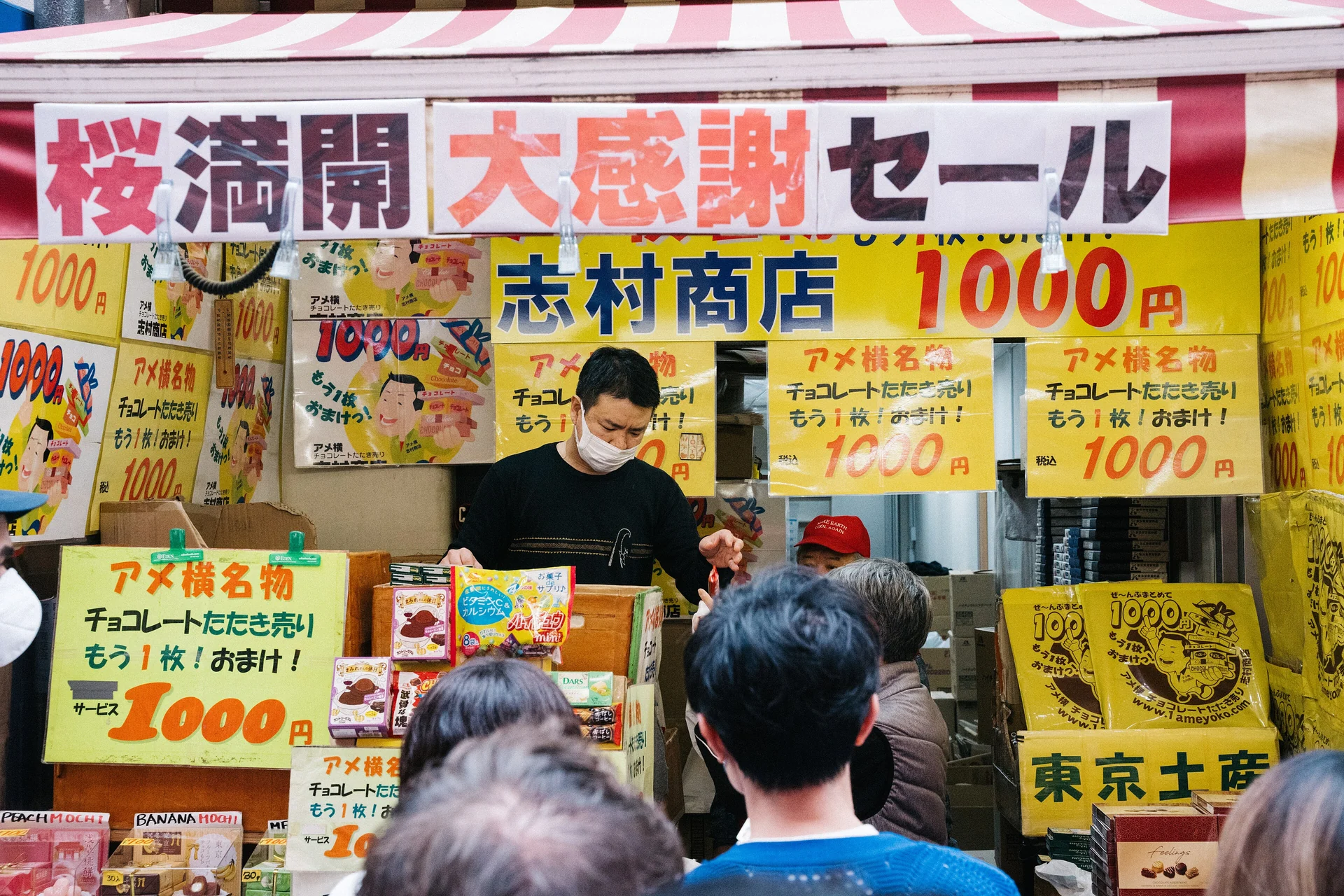
If dietary requirements matter, ask the actual vendor about ingredients and preparation before paying. A fried item, sauce, stock or sweet filling may contain something you need to avoid. Choose a place that can give a clear answer, and keep an alternative meal in mind.
For an earlier lunch within the park, check the current café or museum restaurant directly. One useful change to know: the park association records Ueno Green Salon’s final trading day as 23 September 2026. Older café lists can therefore send you to a closed option. The current facilities page is a better starting point for a park meal than an undated recommendation.
06 · A DAY THAT FLOWS SOUTH
A relaxed Ueno Park itinerary with one museum and Ameyoko
This example suits an ordinary day when the chosen museum and religious sites are open. It uses broad blocks, including time to orient the group and eat. The times are not measured walking durations or reserved entry slots.
| Suggested block | What to do | How to adapt |
|---|---|---|
| 09:15–09:30 | Arrive near the cultural area; find the chosen museum entrance and complete entry preparations. | Store suitcases beforehand. Add a buffer for a booked exhibition or security screening. |
| 09:30–11:45 | Visit selected galleries in one museum. | Give a special exhibition longer and remove an afternoon stop if needed. |
| 11:45–12:45 | Take a seated lunch or substantial break in the park area. | If your chosen food venue is near Ameyoko, reorder the afternoon deliberately rather than walking back twice. |
| 12:45–13:45 | Walk the park and choose Ueno Toshogu or another short cultural stop. | Keep the paid shrine area optional; follow its own admission deadline. |
| 13:45–14:30 | Pause at Kiyomizu Kannon-do, then continue towards the pond. | Choose just one religious stop if walking tolerance or weather calls for a shorter route. |
| 14:30–15:15 | Enjoy a section of Shinobazu Pond, with Bentendo if open and of interest. | Boating replaces part of this section; check reception time before heading to the facility. |
| 15:15–16:00 or later | Browse Ameyoko, choose a snack and leave from a convenient station. | Finish after a short look, or extend shopping if the group still has energy. |
A shorter outdoor visit
Start near the southern park area, choose Kiyomizu Kannon-do or the shrine as your cultural stop, then walk a section of the pond and have a meal around Ameyoko. Allow roughly three to four hours as a starting plan, with more time for shopping or a leisurely lunch.
This is also a useful change when a museum closes on your date. Check the remaining stops individually: the fact that you can walk in the park does not mean the halls, shrine viewing area or café will be operating.
A museum-first rainy day
Keep the museum as the main outing and arrange a seated meal. Add a brief outdoor connection only if conditions suit the group. A second museum is possible when interests and energy align, but it is a considered choice with its own ticket and closing time; it should not be a compulsory substitute for every missed outdoor stop.
A zoo day is a different plan
If the zoo is the priority, give it the main block and shorten the museum and shrine ambitions. The zoo’s official visitor information lists 09:30–17:00, last admission one hour before closing, and its own closure calendar. Animals and exhibits may finish viewing earlier.
Do not plan a current visit around older panda photographs: the zoo’s January 2026 announcement records the end of viewing for Xiao Xiao and Lei Lei and their return to China. Check the zoo’s present animal and construction notices for the visit you are actually considering.
07 · VISIT THE SEASON YOU HAVE
Ueno sakura season, summer lotus and an autumn park day
Cherry blossoms: a viewing window, not a fixed date
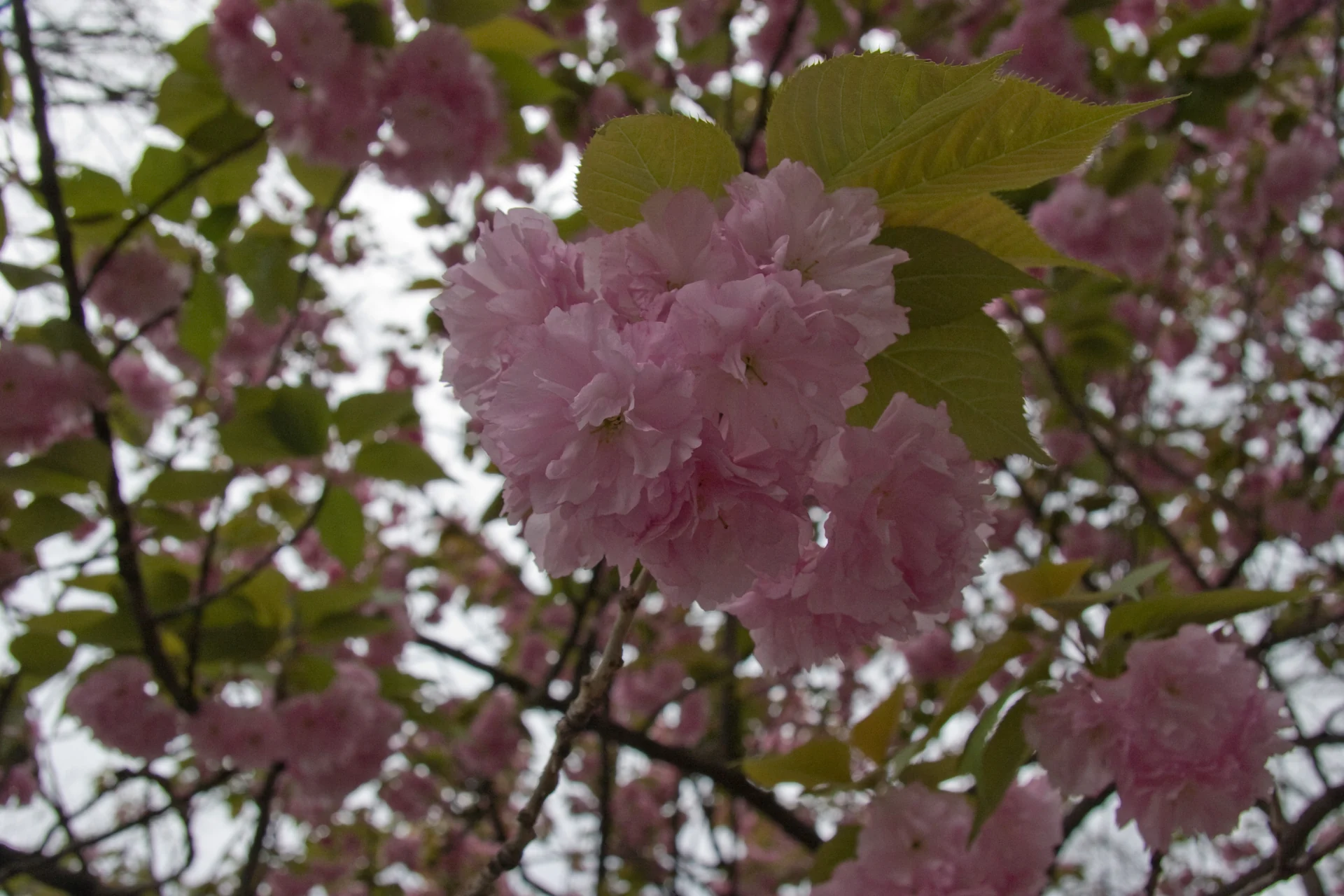
JNTO’s Ueno cherry-blossom guide gives late March to early April as the usual period. Bloom timing varies, and a travel date inside that range is not a promise of peak flowers. Check current bloom reports close to the visit and keep the route enjoyable even if the main avenue is before or after its best.
The Ueno tourism federation’s published festival notice available at this check describes the 2026 event, including its dated illumination arrangements. Use a notice for your own year before planning an evening or a festival-food meal. A past year’s lantern time should not become an assumed nightly opening for a future spring trip.
During busy blossom periods, shorten the number of fixed commitments. Choose a meeting point outside the main flow, carry only what you need and leave room for slower movement. If you want a picnic, follow the current park instructions about permitted places and waste rather than assuming every lawn is available.
Summer: put comfort and light before a long circuit
The pond’s lotus growth gives summer photographs their distinctive texture. Plan a route with water, shade and a seated pause, and adjust it to the day’s heat. If an early flower-viewing moment matters, check current local reports rather than assuming a sunset photograph shows what will be blooming at every hour.
Choose a museum or a proper indoor break for part of a hot day. Reduce the outdoor loop when needed, and leave boating optional if conditions are uncomfortable. There is no benefit in preserving the full route after the group has stopped enjoying it.
Autumn and winter: keep a daylight plan
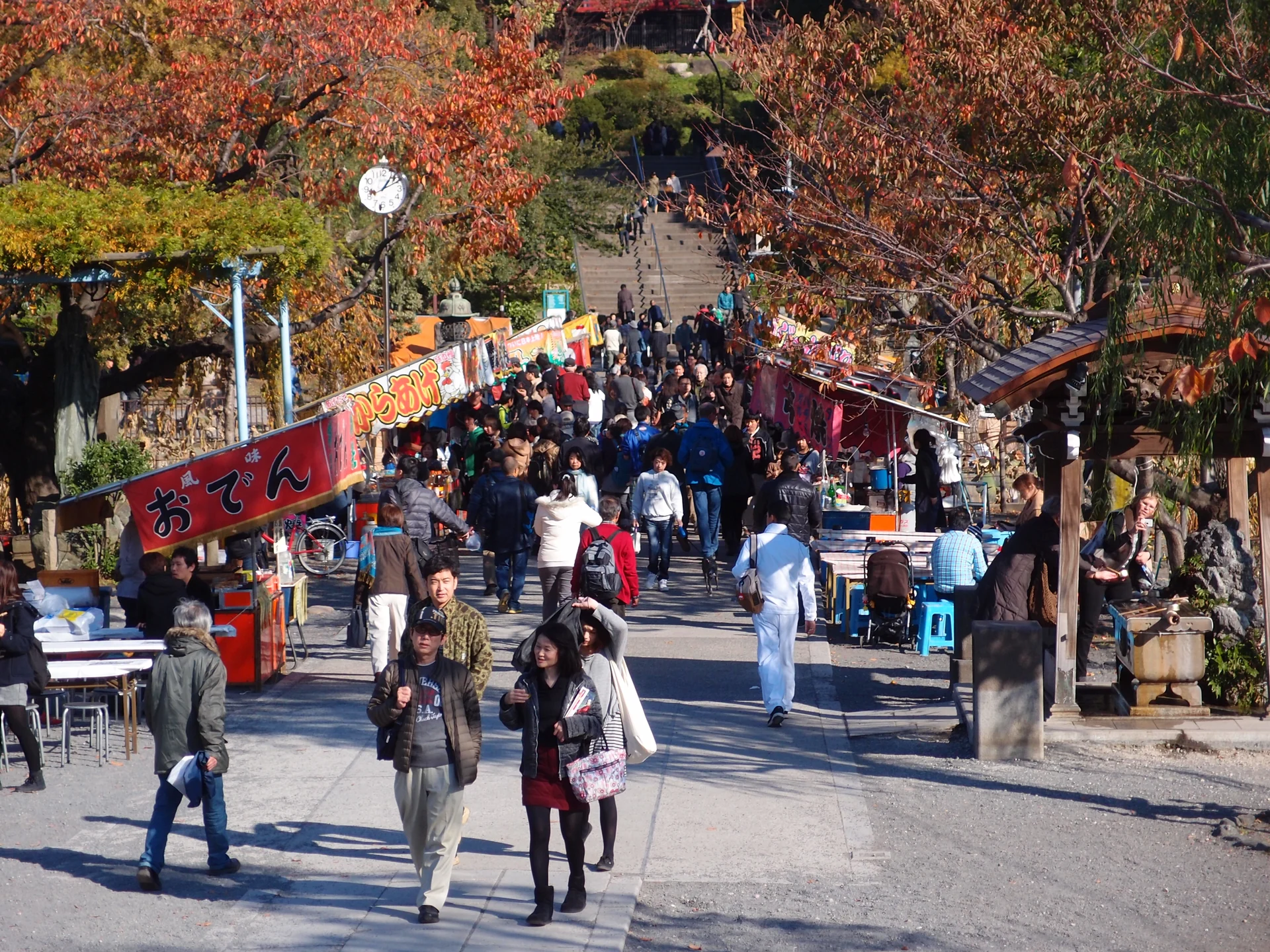
Use the museum as a weather-resistant anchor and place the temple or paid shrine viewing before its seasonal finish. The pond and paths remain reasons to visit without spring flowers. For autumn colour, check recent conditions rather than relying on a photograph’s month alone.
Winter visits can be shorter, with a warm meal and one outdoor section. If you want an evening event, verify its dated programme independently. The ordinary park walk, a temple’s hours and a special event’s admission are separate arrangements.
08 · SORT THE ARRIVAL BEFORE YOU GO
Ueno Station, luggage and accessible-route planning
Match your station exit to the first attraction
For a museum-first arrival, consult JR East’s Ueno Station map and follow signs towards the Park Exit. For the pond and southern streets, a different arrival point may be more useful. JR Ueno, Tokyo Metro Ueno and Keisei Ueno are separate station arrangements; save the operator name and the destination pin.
The best journey from your hotel depends on its nearest station and where you want to start. Compare the actual route rather than applying a single “Tokyo to Ueno” journey time to every hotel. If you are arriving from Narita, our Narita arrival guide helps separate airport transport from a sightseeing plan.
Store large luggage before the museum
Arrange appropriate luggage storage before starting the cultural visit. Tokyo National Museum’s suitcase restriction makes that a firm planning step, and bulky bags also complicate narrow shopping streets. Check a storage facility’s size limits, opening period, collection deadline and availability before relying on it.
For an airport connection, work out the time you must leave the city first, then fit Ueno into the usable window. Our Tokyo layover planning guide explains that calculation. A convenient station name does not by itself establish that a museum visit is suitable between flights.
Wheels, children and a manageable walking day
Check the station-to-surface lift route and the chosen attraction’s accessibility information. On the park map, look at the connection between the plateau, religious sites and pond, including ramps and steps. Ask about a particular need rather than inferring step-free access from a short map distance.
Choose the first place to rest before someone needs it urgently. With children, use one recognisable priority and a clear regrouping point. With limited walking tolerance, a selected museum plus lunch can be the complete visit; the pond and market need not both be added.
- Confirm the chosen museum’s calendar, ticket type and current partial closures.
- Check bag rules and arrange storage before arrival.
- Choose a meal with suitable seating and an alternative nearby.
- Check the paid shrine area or boat reception deadline if included.
- Save the final station and a route back to the hotel.
- Agree which optional stop to drop first if the day runs late.
09 · UENO AS PART OF A WIDER TOKYO VISIT
Combine Ueno with Asakusa—or keep a relaxed day
If temple streets are the main attraction for your group, compare our Asakusa half-day guide before committing to a long museum visit. If you combine the areas, make a specific transfer and reduce the number of stops in each. Two half-days with lunch and transit become a full outing.
For a different atmosphere on another day, see Shinjuku’s garden-and-evening options. You do not need to cross Tokyo simply to add a skyline to a Ueno day that is already satisfying.
Ueno’s compact cultural visit is mainly explored on foot. A private arrangement can be considered for a wider itinerary, luggage or particular journey needs; guide accompaniment is a separate question. Our driver-or-tour-guide comparison explains the distinction.
If you would like help arranging a broader Tokyo day, send your starting hotel, date, group, luggage and walking preferences, plus the museum or two places that matter most. Discuss a relaxed Tokyo itinerary including Ueno ↗. Vehicle fit, language support, guide arrangements, availability and quotation require confirmation. You can also browse Tokyo and nearby day-trip ideas.
10 · QUESTIONS BEFORE YOUR VISIT
Ueno Park questions answered
Is Ueno Park worth visiting outside cherry blossom season?
Yes, if its museums, religious sites, pond or nearby shopping interest you. Build the visit around those priorities and treat seasonal flowers as an extra. A museum, meal and short waterside walk make a complete day without blossoms.
Is Ueno Park free?
The public park has no general admission fee. Museums, the zoo, boats and some shrine viewing areas charge separately. Choose the activities you want rather than assuming a park visit includes every facility.
How much time should I allow?
Five to seven hours is a practical starting allowance for one museum, lunch, a selected park walk and Ameyoko. A mostly outdoor visit can be shorter; a major special exhibition, zoo visit or extended shopping needs more time.
Which Ueno museum should I choose?
Choose Tokyo National Museum for Japanese art and history, Nature and Science for natural history and science, or Western Art for its collection and architecture. Check the current exhibitions and closures before deciding.
Can I visit the museums on Monday?
Many close on Mondays, but holidays and exceptions can change the pattern. Check the individual calendar. The park, a religious site and a museum do not share one universal opening schedule.
Where should I go for Ueno street food?
Explore the Ameyoko area and choose specific vendors from current information. Ohyama is one documented option for a fried snack. Decide whether you want takeaway or a seated meal, and check ingredients, prices and the permitted eating space.
When is Ueno sakura season?
Late March to early April is the usual broad window. Use current bloom reports for the actual visit and dated organiser notices for festival events. Neither last year’s photographs nor event dates guarantee this year’s peak.
Can I take a suitcase into Tokyo National Museum?
The current operator notice prohibits suitcases. Arrange suitable storage before the visit and confirm its opening and collection times. Keep this separate from whether another museum accepts a particular bag.
Official sources and planning notes
Information checked 21 October 2026. Consult the operator for your date before buying tickets or travelling. Prices, opening, exhibits, meals and event arrangements can change. The comparisons, route blocks and suggested choices are TokyoVia editorial planning, with no claim of a personal visit or guaranteed availability.
- Tokyo Metropolitan Government: park layout and current notices
- GO TOKYO: park admission and area orientation
- Tokyo National Museum: hours, collection admission, luggage and room closures
- Tokyo National Museum: current exhibitions and visitor notices
- National Museum of Nature and Science: admission and opening calendar
- National Museum of Nature and Science: floor map and renovation closures
- National Museum of Western Art: current hours, collection admission and planned closure
- National Museum of Western Art: collection, building and photography FAQ
- Ueno Toshogu: general worship versus paid viewing and seasonal hours
- Kiyomizu Kannon-do: history and opening hours
- Kaneiji/Bentendo: revised hall opening hours
- Tokyo park association: boats, food facilities and Green Salon closure
- Ameyoko shopping-street association: individual business directory
- Niku no Ohyama Ueno: current takeaway menu and restaurant arrangements
- JR East: Ueno Station maps
- JNTO: broad Ueno cherry-blossom season
- Ueno tourism federation: dated 2026 festival notice
- Ueno Zoo: current opening and admission arrangements
- Ueno Zoo:January 2026 end of panda viewing and departure notice