Two landmarks. Four observation choices. One Tokyo day that should still have room for the streets below.
THE QUICK ANSWER
Choose Tokyo Tower for the closer city perspective and a Shiba Park–Zojoji outing. Choose Tokyo Skytree for the highest of these views and a day around Asakusa, the river and Solamachi. Compare the actual deck you want: Tokyo Tower’s Main Deck is the lower-cost entry, but its Top Deck Tour is a different purchase. Skytree’s Tembo Deck and two-deck combo also have different prices. For most first visits, one paid observatory plus a ground-level view of the other tower is a better use of a short stay than buying every upper-level ticket.
Official details checked 23 October 2026. Prices are in Japanese yen; Skytree’s quoted prices are advertised starting prices, not a quotation for every date. Suggested visit lengths and route blocks are editorial planning allowances.
01 · START WITH YOUR DAY
Tokyo Tower vs Tokyo Skytree: a practical comparison
The useful question is which visit makes your Tokyo itinerary better. A family already exploring Asakusa has a different decision from a couple having dinner in Minato. Someone who wants to photograph the orange tower itself also has a different goal from someone who wants to look out from inside it.
Choose the experience before comparing a headline ticket price. The two buildings each have a lower observation option and a higher one; they do not sell an identical product at different addresses.
| Decision | Tokyo Tower | Tokyo Skytree |
|---|---|---|
| Tower height / observation choices | 333 m tower; Main Deck at 150 m, Top Deck at 250 m. | 634 m tower; Tembo Deck around 350 m and Tembo Galleria around 450 m. |
| What to prioritise | A city-level perspective among central Tokyo buildings; the tower exterior and nearby temple. | A broad view across the city; the river pattern and the experience of greater height. |
| Neighbourhood pairing | Zojoji, Shiba Park and a planned Minato meal. | Asakusa, Sumida riverside and Solamachi. |
| Entry-level adult admission | Main Deck: ¥1,500. | Tembo Deck: from ¥1,800 online; check the selected date. |
| Higher-level adult admission | Top Deck Tour including Main Deck: ¥3,300 online / ¥3,500 counter. | Tembo Deck + Galleria combo: from ¥3,000 online; check the selected date. |
| Starting visit allowance | About 90 minutes; allow around two hours if adding the Top Deck and exterior photos. | About two hours for the tower; a meal, shopping or aquarium is extra. |
| Best route-based reason | You want the Shiba / Zojoji part of Tokyo as well as a view. | You are already planning an eastern Tokyo day and want to go high. |
Deck and ticket details: Tokyo Tower fees, Skytree tickets and Skytree floor guide. The visit allowances include a practical margin, but do not guarantee a queue length or a finish time. Neither tower is automatically the quieter choice.
Choose Tokyo Tower if these are your priorities
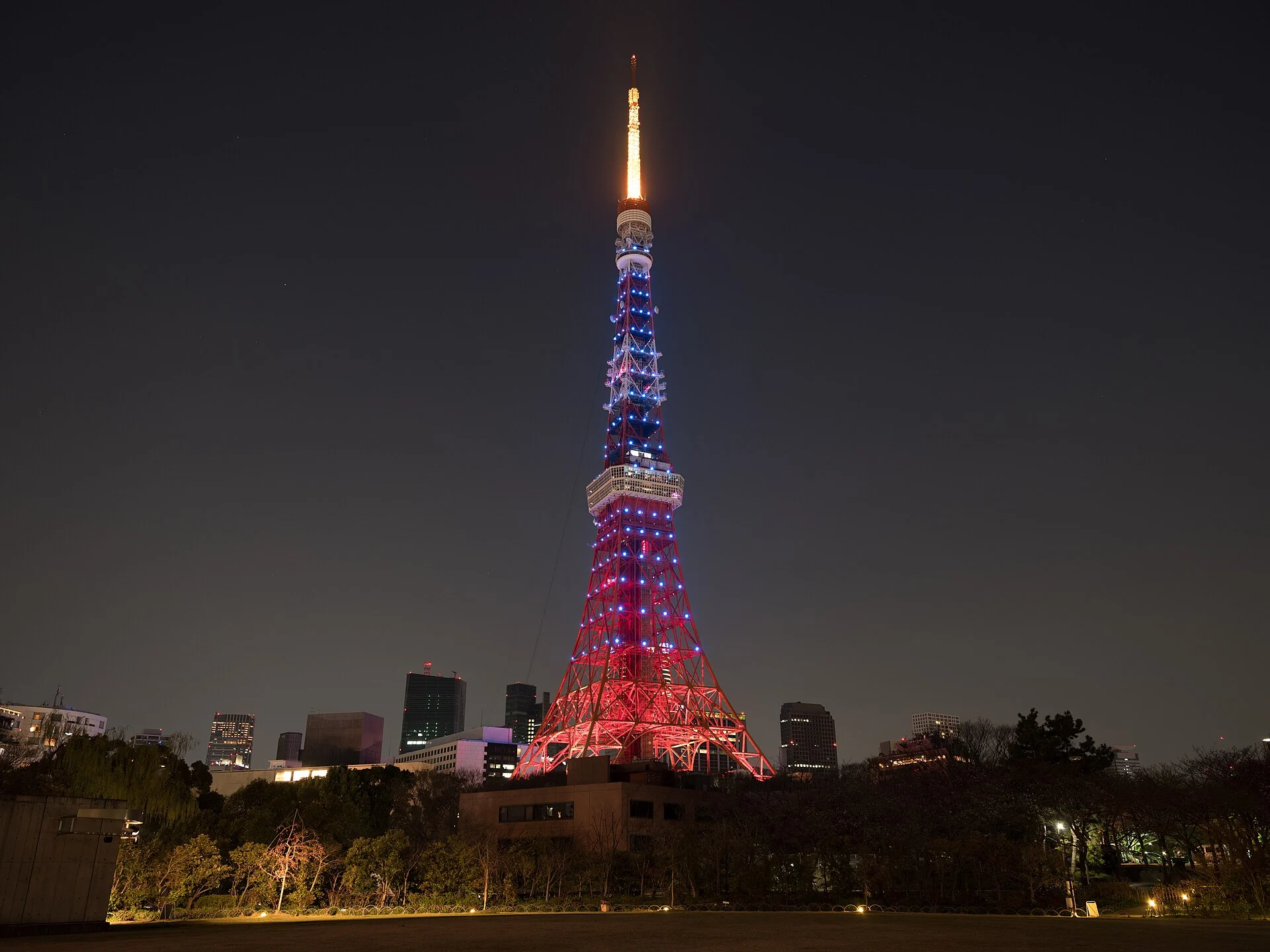
Choose it if the orange-and-white structure is a personal Tokyo landmark, if you prefer recognising nearby streets and buildings, or if you want a shorter outing around Zojoji and Shiba. The Main Deck can be the complete visit; there is no obligation to upgrade just because a higher platform exists.
It is also a sensible choice when you have one short sightseeing block in this part of Tokyo. Save the time you would otherwise spend crossing the city for a proper meal or an unhurried walk. A lower observation deck is a different perspective, not a failed attempt to reach the highest point.
Choose Skytree if these are your priorities
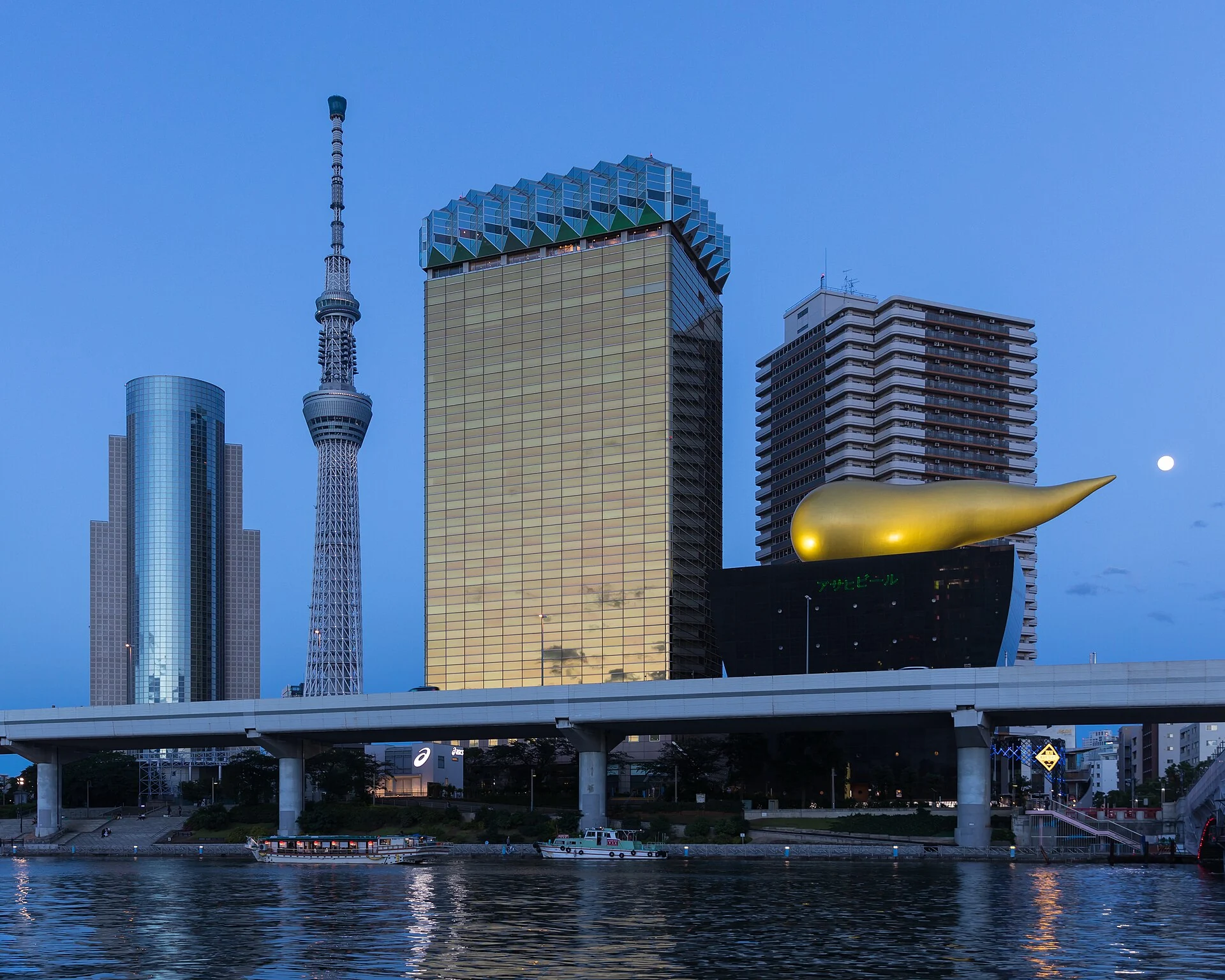
Choose it if the height itself excites you, if you enjoy reading a city as a broad landscape, or if your day already includes Asakusa. The shopping and dining around the base offer ways to continue the outing after the view.
Keep the upper Galleria optional until you have decided how much time and money you want to spend on observatories. If the river walk, temple streets and lunch are equally important, a Tembo Deck visit can leave a better balance than making every additional attraction compulsory.
02 · WHAT THE EXTRA HEIGHT CHANGES
Compare the four observation deck experiences
Tokyo Tower Main Deck: the closer city view
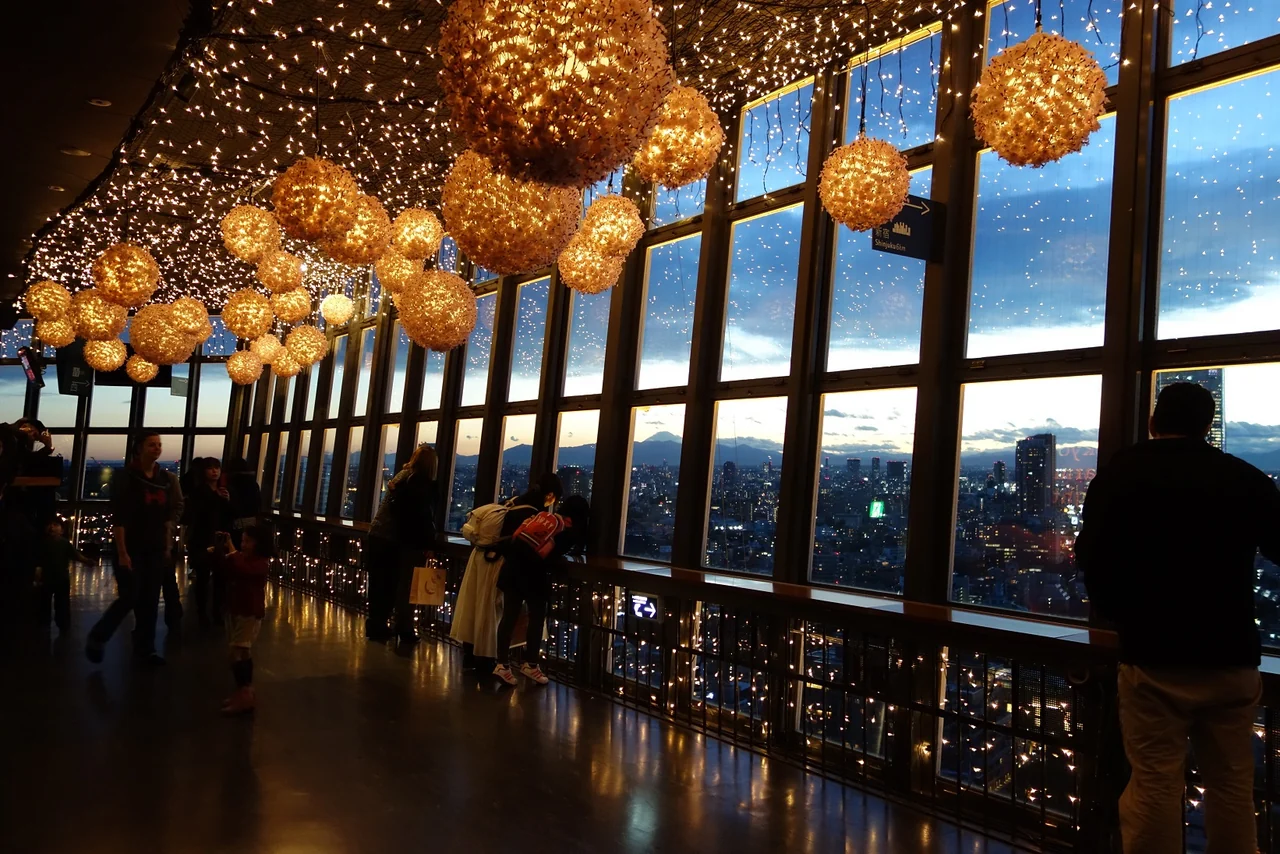
The Main Deck is the simpler choice for a first taste of the tower. Look for the relationship between the nearby streets, roofs and taller buildings instead of judging the visit only by the furthest landmark you can identify. The operator’s Main Deck guide shows the two levels, the Skywalk Window glass-floor section and the change of lift for the Top Deck.
A glass floor is an optional feature to look at, not a test everyone needs to complete. For a group with mixed comfort around heights, agree that each person can stand where they feel comfortable. If anyone in your group is uneasy around heights, choose together rather than assuming that a taller or newer deck will feel easier.
Tokyo Tower Top Deck: a separate reserved experience
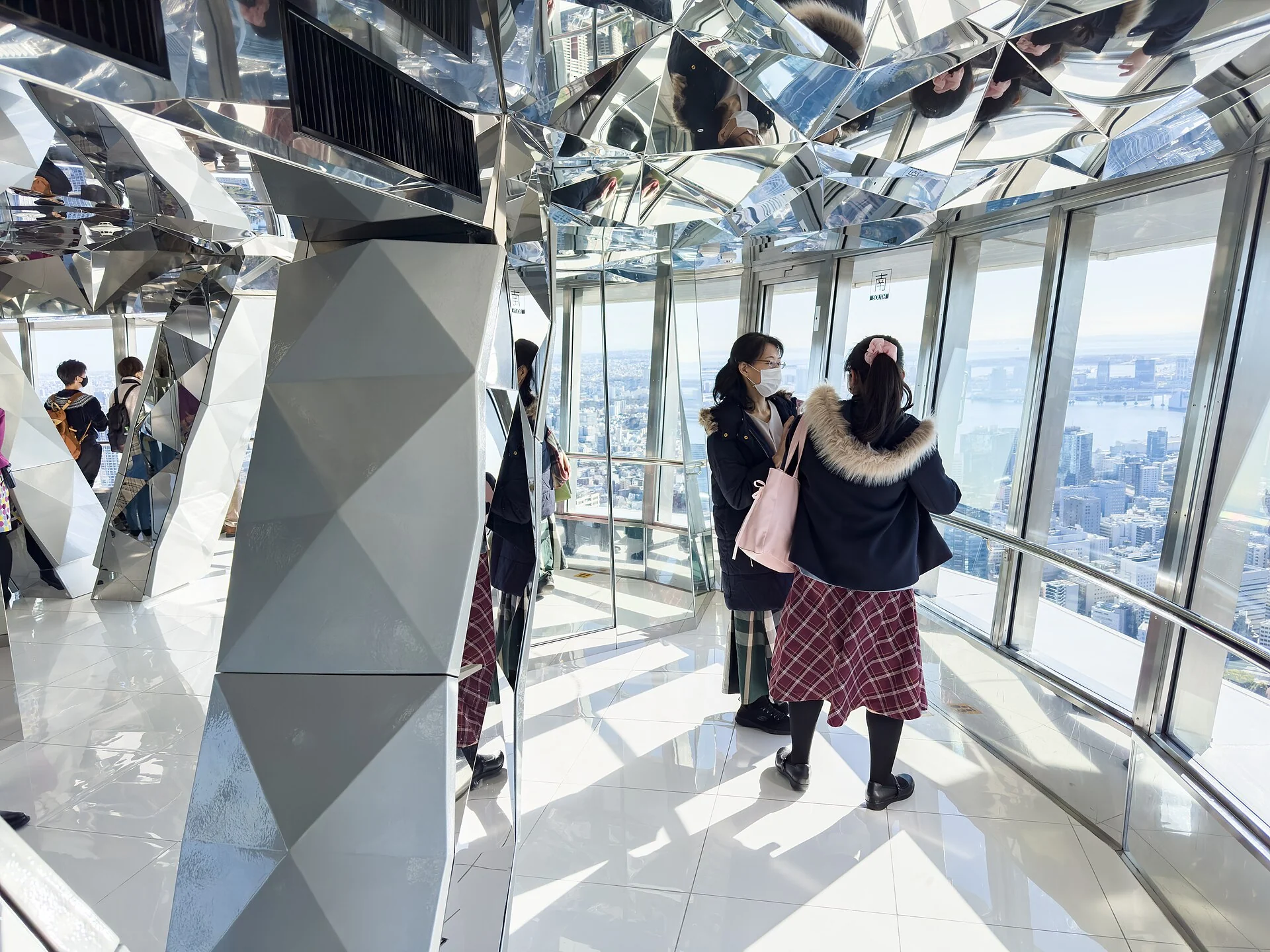
The Top Deck Tour includes the Main Deck and a higher visit at 250 m. Its geometric mirrored interior is part of the attraction, rather than merely another window a little further up. The operator describes the tour and lift sequence: begin at Foot Town, change at the Main Deck and continue for your reserved Top Deck time.
Reserve this if the higher view and interior interest you enough to justify the extra cost. Leave a clear buffer before the reserved time. Do not plan a long meal immediately before the slot, and do not assume arriving late is handled like an ordinary flexible admission.
Skytree Tembo Deck: the main panorama
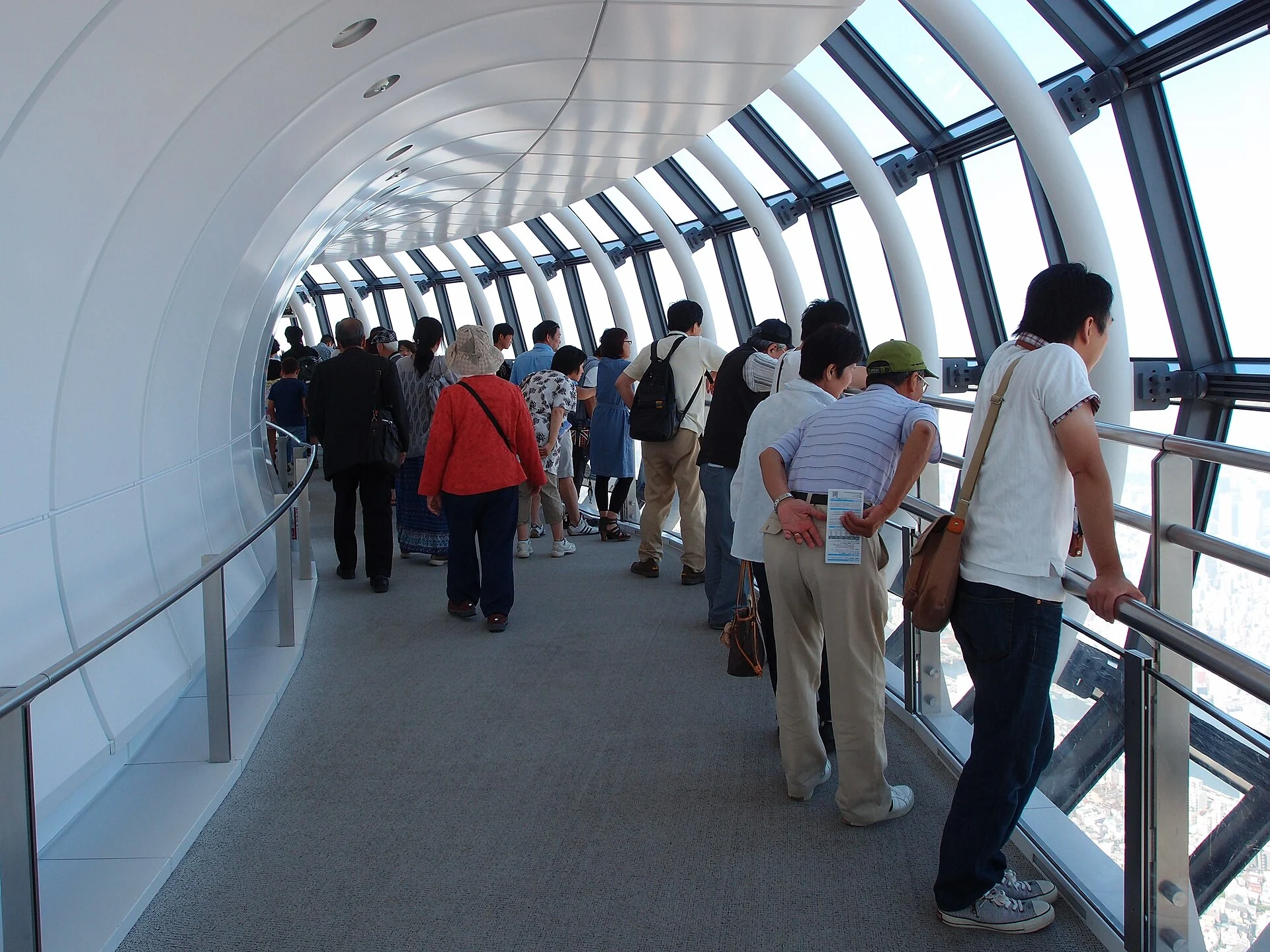
The Tembo Deck area comprises Floors 350, 345 and 340. These labels refer to the observation levels’ height, not a building with 350 ordinary storeys. The upper arrival level, shops and restaurant level, and lower glass-floor level are parts of the same main-deck visit.
Use the official floor map to understand the route rather than following an old blog’s floor-by-floor description. Decide what matters: a circuit of the windows, a few photographs, a drink if available, or an upgrade. Allow time to descend as well as to go up.
Skytree Tembo Galleria: the higher glass corridor
The Galleria adds a separate lift and the glass-walled corridor from about 445 m toward 450 m. Buy the combo if this is central to the trip. Buying just the Tembo Deck and deciding later leaves flexibility, but an upgrade is a separate purchase and can be restricted by crowding.
For a brief visit, the question is whether you want the corridor experience itself. An extra hundred metres does not guarantee clearer weather, an empty window or a more enjoyable photograph. Keep time to look and understand what you are seeing.
03 · COMPARE THE TICKET YOU WILL USE
Tokyo Tower tickets and Tokyo Skytree tickets
Compare like with like: entry-level against entry-level, then higher-deck against higher-deck. Tokyo Tower has the lower advertised basic adult admission. That does not mean every Tower product is cheaper than every Skytree product.
Current adult prices and what is included
| Product | Price shown by the operator | Important distinction |
|---|---|---|
| Tokyo Tower Main Deck | ¥1,500. | 150 m only; do not treat this as a Top Deck ticket. |
| Tokyo Tower Top Deck Tour | ¥3,300 online / ¥3,500 at the counter. | Includes 150 m Main Deck and 250 m Top Deck; reserved tour time. |
| Skytree Tembo Deck | From ¥1,800 online. | Main observation area; exact price depends on the selected visit. |
| Skytree Tembo Deck + Galleria | From ¥3,000 online. | Both observation areas; use the booking calendar for the actual price. |
| Skytree Galleria add-on | ¥1,400 adult. | Sold inside the Tembo Deck on the day; does not replace the ticket needed to reach it. |
Sources: Tokyo Tower standard fees and Skytree’s current ticket page. Skytree adds a ¥500 per-ticket issue fee for purchase at its 4F counter or ticket machines. The “from” amounts above are not fixed weekday prices; use your actual date and time. Separate premium products, packages, meals and other attractions are outside this table.
Make a budget for your actual group
For two adults choosing Tokyo Tower Main Deck, the listed admission total is ¥3,000. For two adults choosing its online Top Deck Tour, it is ¥6,600. For Skytree, select the same date and ticket type for everyone and use the checkout total; do not multiply the lowest advertised price and assume it applies to a popular sunset slot.
Children have different categories at the two operators. Check each traveller’s age and any school-status rules in the current ticket selection, rather than using one generic “family price.” Add transport, a meal and any separate attraction. This keeps a cheap-looking package from quietly becoming the largest expense in the day.
Book the date, deck and seller deliberately
Begin at the operator’s Tokyo Tower ticket site or Skytree ticket page. Check the chosen deck, date, time, participant categories and cancellation conditions before paying. Save the confirmation and make sure the QR code can be displayed before leaving the hotel.
Skytree’s online-purchase guidance explains the reserved-entry lane and the avoided counter fee. Buying online removes the need to queue to buy a ticket; it does not make every security check, lift queue or descent wait disappear. The official ticket FAQ currently releases ordinary observation tickets from the first day of the month two months before the visit month; special products can follow other schedules.
Read the conditions for the seller you actually use. A reseller’s flexible cancellation offer is not automatically the operator’s own policy, and an aquarium bundle may have different conditions from an ordinary observation ticket. Keep the booking email somewhere easy to retrieve.
04 · CHOOSE THE LIGHT, THEN THE SLOT
Daytime, sunset or after dark?
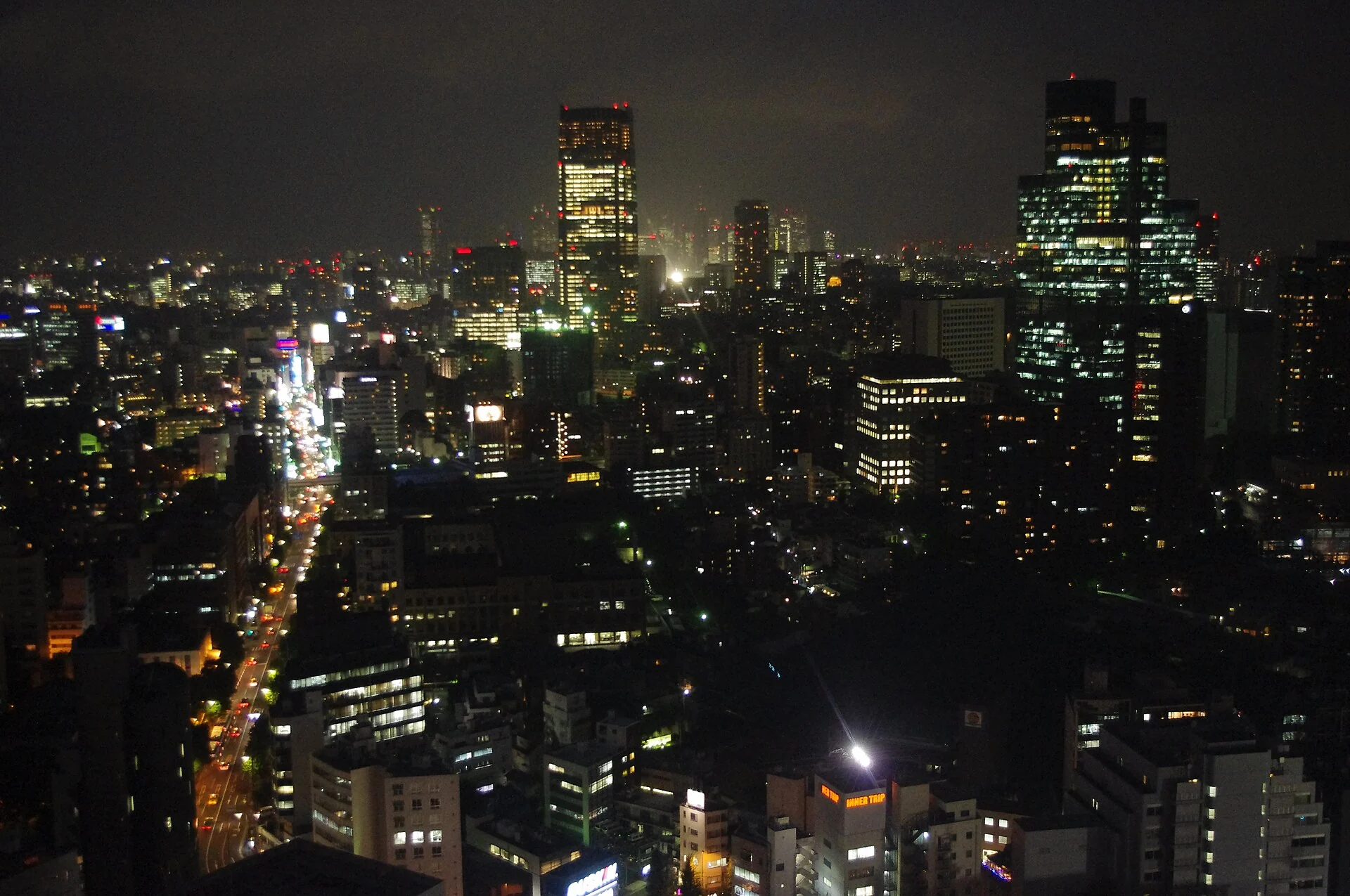
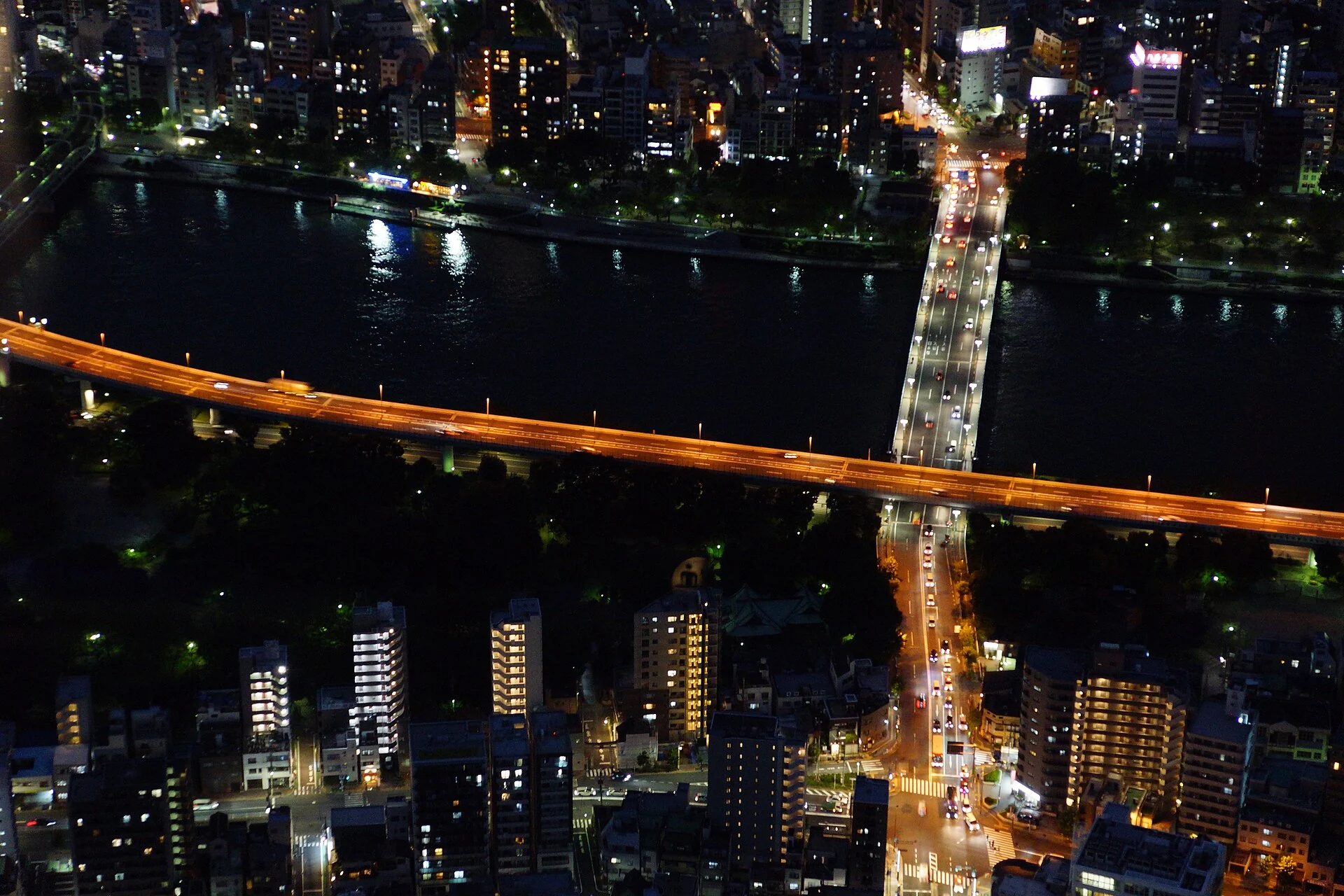
Daylight helps you read neighbourhoods and rivers. After dark, the lights and road patterns become the subject. Sunset combines two moods, but also creates a deadline and the possibility of busier entry and lift queues. Choose it because you want the transition, not because it is the only worthwhile time.
| Time of visit | Why choose it | What to build into the plan |
|---|---|---|
| Daytime | Orient yourself and recognise the city below. | Check visibility; choose a comfortable meal and rest interval. |
| Before sunset into dusk | Watch colour change and the city lights appear. | Find sunset for the actual date, then allow entry and lift buffers before it. |
| After dark | Concentrate on illuminated streets and the towers’ exterior lighting. | Check final admission, last upper-deck slot and your route back. |
| Poor visibility | A possible indoor experience if the building and interior still appeal. | Decide whether the admission remains worthwhile; do not assume poor visibility gives a refund. |
How to time a sunset visit
Work backwards from the sunset on your travel date. As an editorial starting point, aim to reach the entrance area about 60–90 minutes beforehand and choose a compatible admission slot. This is a buffer to adjust, not a guarantee that you will be upstairs at a precise minute. The Top Deck also needs its own tour time.
Have the meal before the buffer or after the descent. Keep the preceding sightseeing stop optional, and drop it if the group runs late. A reservation made before a flight lands or immediately after a long cross-city journey has more ways to go wrong than a slot following a relaxed nearby afternoon.
Check deck hours separately from the lights outside
Tokyo Tower’s standard schedule is Main Deck 09:00–23:00, last admission 22:30; Top Deck Tour 09:00–22:45, with the final tour window 22:00–22:15. Skytree uses a date-specific opening calendar, with final admission one hour before closing. On the checked October 2026 dates, some days open at 09:00 and others at 10:00; both patterns close at 22:00.
Check your own day rather than transferring those examples to every month. Exterior light-up and paid observation hours are different schedules. Tokyo Tower’s light-up calendar can change for special events; a photograph of orange illumination does not promise that colour on your date.
05 · LOOKING OUT AND LOOKING AT
Views, visibility and photography
Photograph the tower or photograph from the tower?
If your dream photograph includes the complete Tokyo Tower, going inside it will not provide that exterior composition. Plan a permitted ground-level viewpoint around Shiba or a separately chosen city viewpoint instead. The same principle applies to Skytree: a riverside view can be the photograph you want without any observation admission.
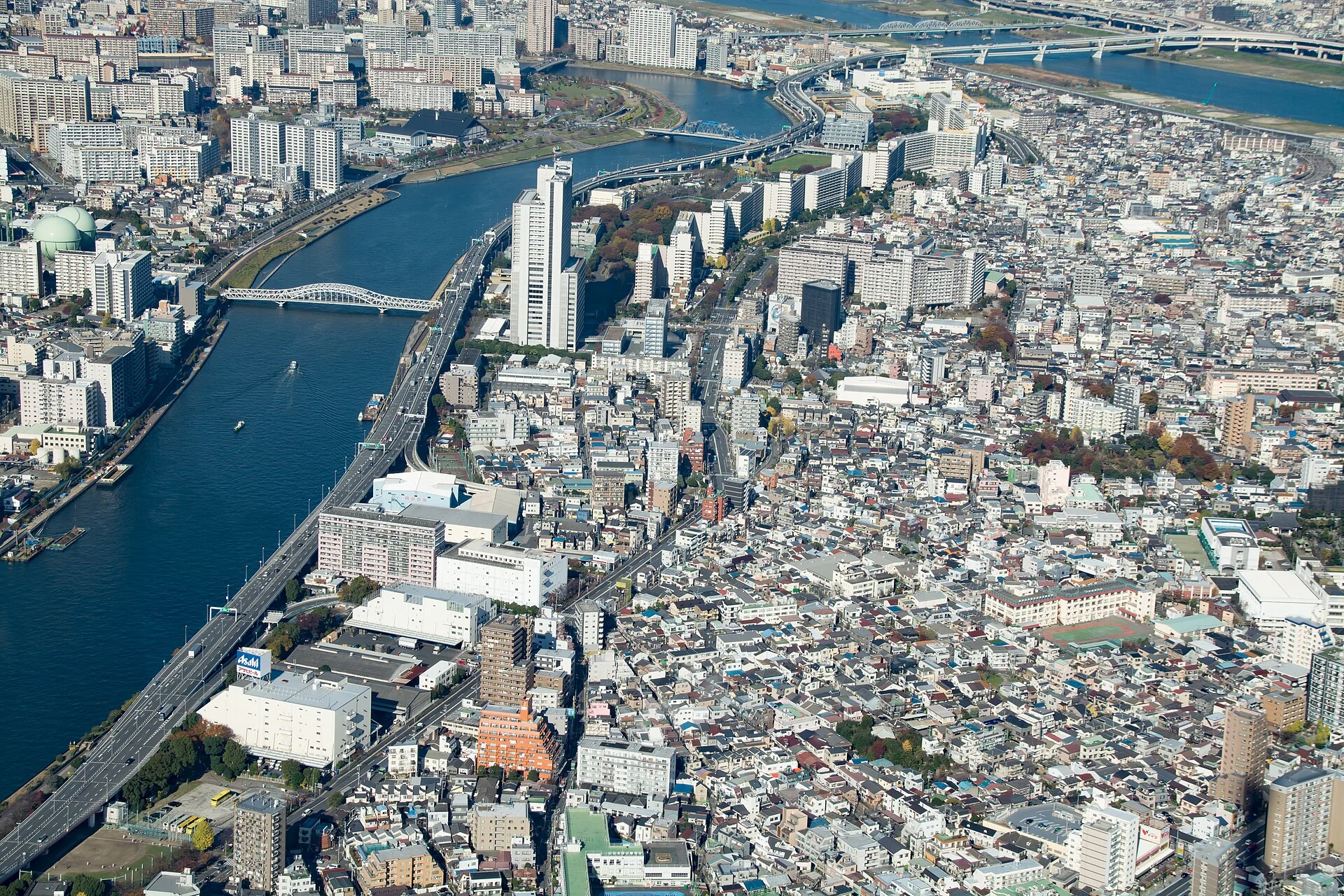
For the view from above, take a moment to locate the river, a station or a district you have already walked. A meaningful photograph often has one subject rather than a wide frame filled with buildings you cannot identify. Leave space for other visitors to take their turn at the glass.
Weather and Mount Fuji expectations
Cloud, haze and rain can obscure distant landmarks even when the streets below remain visible. Treat a distant mountain view as a possible extra, rather than the condition on which the entire visit succeeds. A “clear-day” photograph is not a visibility forecast.
Check the weather, official operating notices and the seller’s cancellation conditions before the visit. Skytree’s official booking FAQ says poor visibility from rain or cloud does not itself trigger a refund or discount. Wind-related lift suspensions are a different operational situation; ask staff and follow the operator’s current instructions.
Simple camera choices through glass
At night, turn off the camera flash and avoid reflecting a bright screen into the window. Move your position slightly to reduce interior reflections, keep the lens clean and take a few steady frames. Do not press equipment into fittings or block a route while reviewing images.
Check equipment rules before bringing a tripod. Tokyo Tower’s FAQ prohibits tripods on the Top Deck; Skytree’s visitor rules prohibit non-folding tripods and disruptive photography, with prior permission needed for commercial work. A compact setup is easier to manage, but does not override staff instructions or other visitors’ privacy.
06 · STATION TO ENTRANCE STILL TAKES TIME
Getting to Tokyo Tower and Skytree from your Tokyo hotel
Choose a station from your hotel route, the walk you can manage and the sightseeing you want before the tower. There is no single “Tokyo hotel transfer time.” Walking to the first station, waiting, changing lines and finding the observation entrance all belong in the plan.
| Destination | Useful station choices | Final approach |
|---|---|---|
| Tokyo Tower directly | Akabanebashi, Kamiyacho or Onarimon. | Operator walking estimates: about 5, 7 or 6 minutes respectively from the named exits; add time for your pace and crossings. |
| Tokyo Tower via Zojoji | Daimon or Hamamatsucho may fit a temple-first route. | Decide the walking sequence instead of doubling back to the station. |
| Tokyo Skytree directly | TOKYO SKYTREE Station or Oshiage. | The observation entrance is on 4F, not at the first station sign or shopping entrance. |
| Skytree after Asakusa | Walk via the river route if suitable, or choose rail. | Leave a proper transfer and wayfinding block; a short train ride is not the whole station-to-deck journey. |
Sources: Tokyo Tower’s station and exit guide and Skytree’s 4F route videos, including accessible alternatives. The Tower estimates relate to specific exits, which are not necessarily the lift route. If step-free access matters, check the current station map and operator guidance.
Keep airport arrival separate from a fixed tower slot
After a flight, leave time for airport procedures, the hotel and luggage storage before committing to a paid time slot. A shorter flexible neighbourhood walk may suit arrival day better than the one sunset reservation you most care about. Our Haneda transfer guide and Narita transfer guide help separate the arrival journey from the sightseeing plan.
07 · TEMPLE, PARK AND CITY LIGHTS
Tokyo Tower, Zojoji and Shiba Park: a model afternoon
This route starts with travel from a Tokyo hotel and keeps the sightseeing in one area. The example 15:00 tower block is not a year-round sunset slot. Move it after checking your date’s light and reservation, then preserve the same order: temple, a pause, tower, meal.
| Time block | Plan | Keep flexible |
|---|---|---|
| 12:30–13:15 | Travel from your Tokyo hotel toward Shiba / Zojoji. | Allow station walking and a slower approach if needed. |
| 13:15–14:00 | Visit Zojoji respectfully. | Treat worship and any work restrictions as part of the visit; no guaranteed access to every building. |
| 14:00–14:40 | A short Shiba Park walk and a drink or rest. | Choose a comfortable path; shorten the walk in heat or rain. |
| 14:40–15:00 | Walk to the tower and locate the entrance. | Have the QR code ready; increase the buffer for your actual slot. |
| 15:00–17:00 | Main Deck, with Top Deck only if booked. | Allow the lift sequence, unhurried viewing and descent. |
| After 17:00 | An exterior look and a planned meal nearby. | Check seasonal darkness and current light-up; return toward a suitable station. |
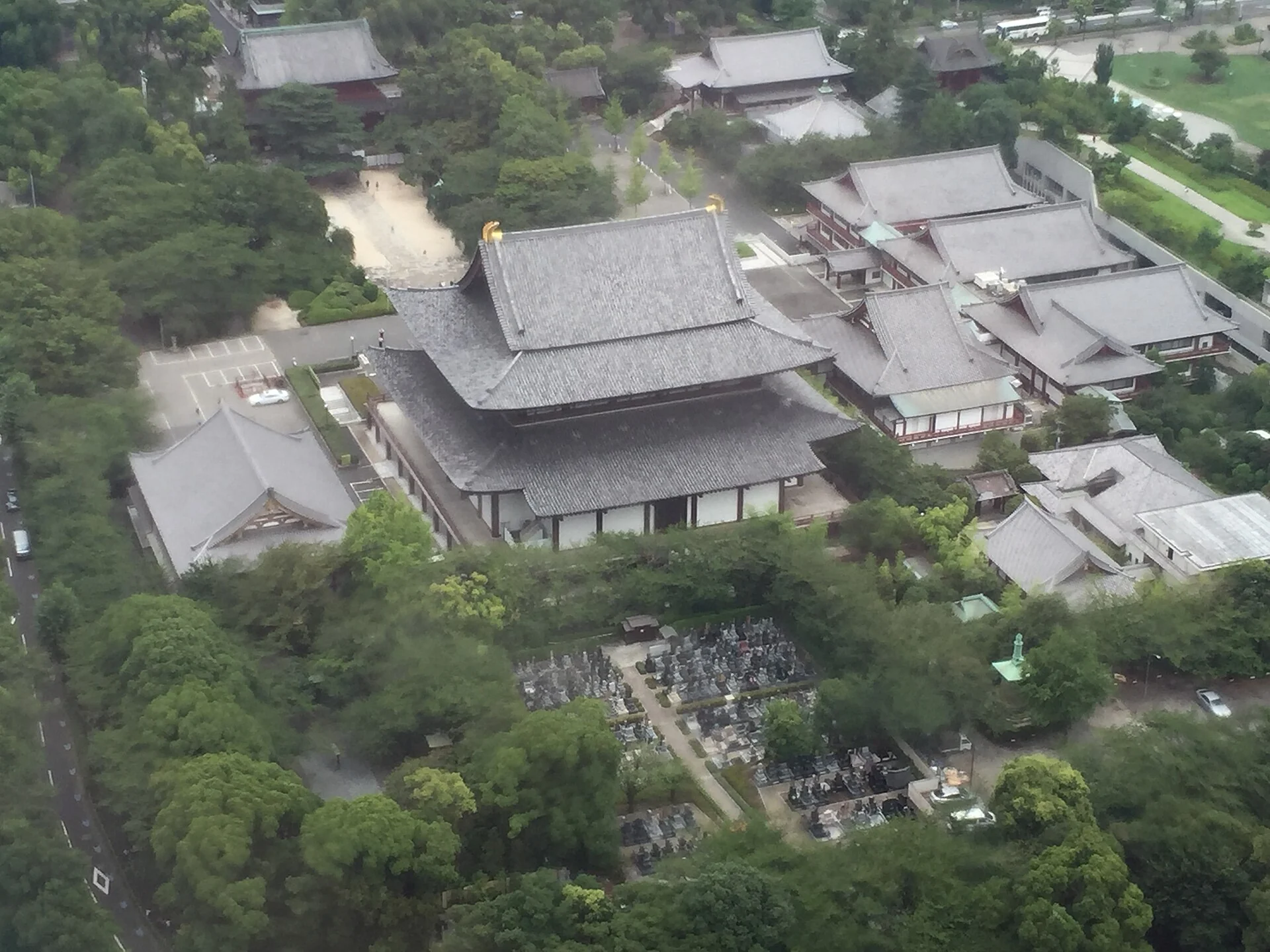
Zojoji is an active temple, with restoration to consider
Zojoji gives the outing cultural substance beyond the tower silhouette. The temple was founded in 1393 and moved to its present site in 1598. Its official English introduction explains the precinct and notes a ten-year restoration project for the Sangedatsumon gate scheduled from April 2025. Allow for possible scaffolding or changes to the approach, and check current notices before planning a photograph of the historic gate.
The temple’s visitor FAQ lists main-hall worship 06:00–17:30 and Ankoku-den 09:00–17:00. Specific collections, mausoleum visits, ceremonies and any admission arrangements need their own current check. Keep voices low, observe signs and ask before photographing a ritual or restricted interior.
A shorter version that still feels complete
With about two hours in the area, choose either a compact Main Deck visit plus exterior photographs, or Zojoji and the park with a view of the tower from below. Do not force both into the last hour before a reservation elsewhere. The Shiba Park operator page provides the park map and current notices; a park approach is separate from access to temple buildings.
Have dinner after the paid observation visit if the reservation is firm. If a particular restaurant is the main reason for coming, build the tower slot around that booking. A vague promise to find a table at the busiest time is less useful than one chosen venue and a realistic alternative.
08 · TEMPLE STREETS, RIVER AND SKY
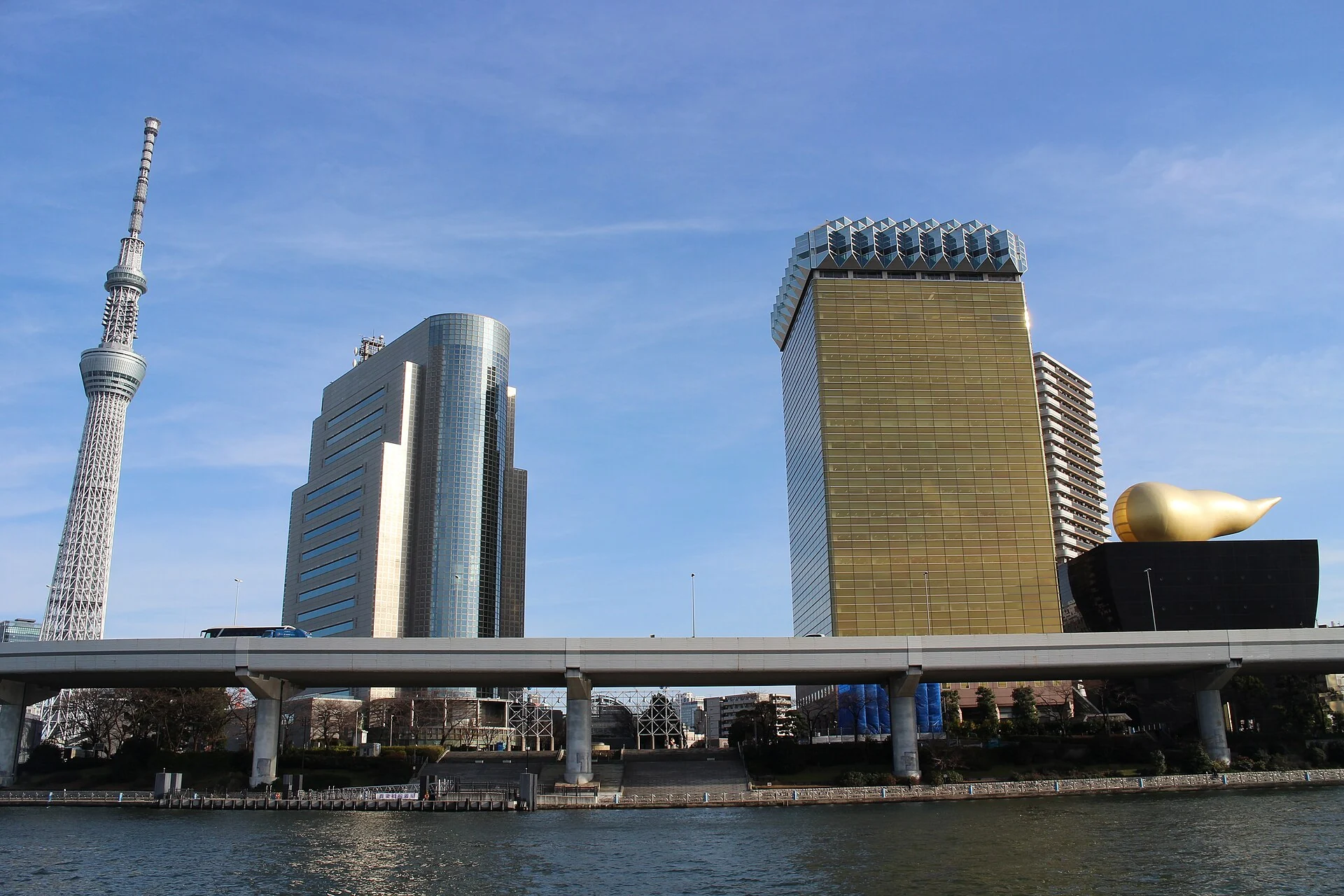
Asakusa and Tokyo Skytree: a model day from Tokyo
Choose this version for a longer eastern Tokyo outing. The morning belongs to the temple streets, and the afternoon to the river and tower. Our Asakusa guide explains the local sightseeing in detail, so the tower visit does not become an excuse to rush through the neighbourhood.
| Time block | Plan | Decision or buffer |
|---|---|---|
| 08:30–09:15 | Travel from your Tokyo hotel to Asakusa. | Choose the station exit and leave luggage first. |
| 09:15–11:15 | Sensoji area and a selected street or cultural stop. | Follow temple conduct; shop openings vary. |
| 11:15–12:15 | A seated lunch in Asakusa. | Use a backup rather than letting a long queue take over the afternoon. |
| 12:15–13:15 | River photographs and the walk toward Skytree. | This hour allows pauses and wayfinding; use rail if walking is unsuitable. |
| 13:15–14:00 | Rest and locate the 4F observation entrance. | Show the right QR code and join the correct admission lane. |
| 14:00–16:00 | Tembo Deck, or both decks if that is your choice. | Match the actual ticket slot; sunset needs a differently timed afternoon. |
| 16:00–17:00 | A selected Solamachi browse or early meal. | Finish near Oshiage or TOKYO SKYTREE Station for the journey back. |
Take the river route because you want the walk
The official TOKYO mizumachi / SUMIDA RIVER WALK guide connects Asakusa and the Skytree Town area on foot. Its river crossing operates 07:00–22:00 in the checked guidance; the shops along the route have their own hours. Leave time to find the approach rather than walking to an arbitrary bridge pin.
This is a pleasant way to see the tower from outside before entering it. In heavy rain, uncomfortable heat or with limited stamina, choose transport and use the saved energy for the observation visit. The walking block is deliberately generous enough for photographs; it is not a claim that everybody will walk at the same speed.
Solamachi, food and a rain-day substitution
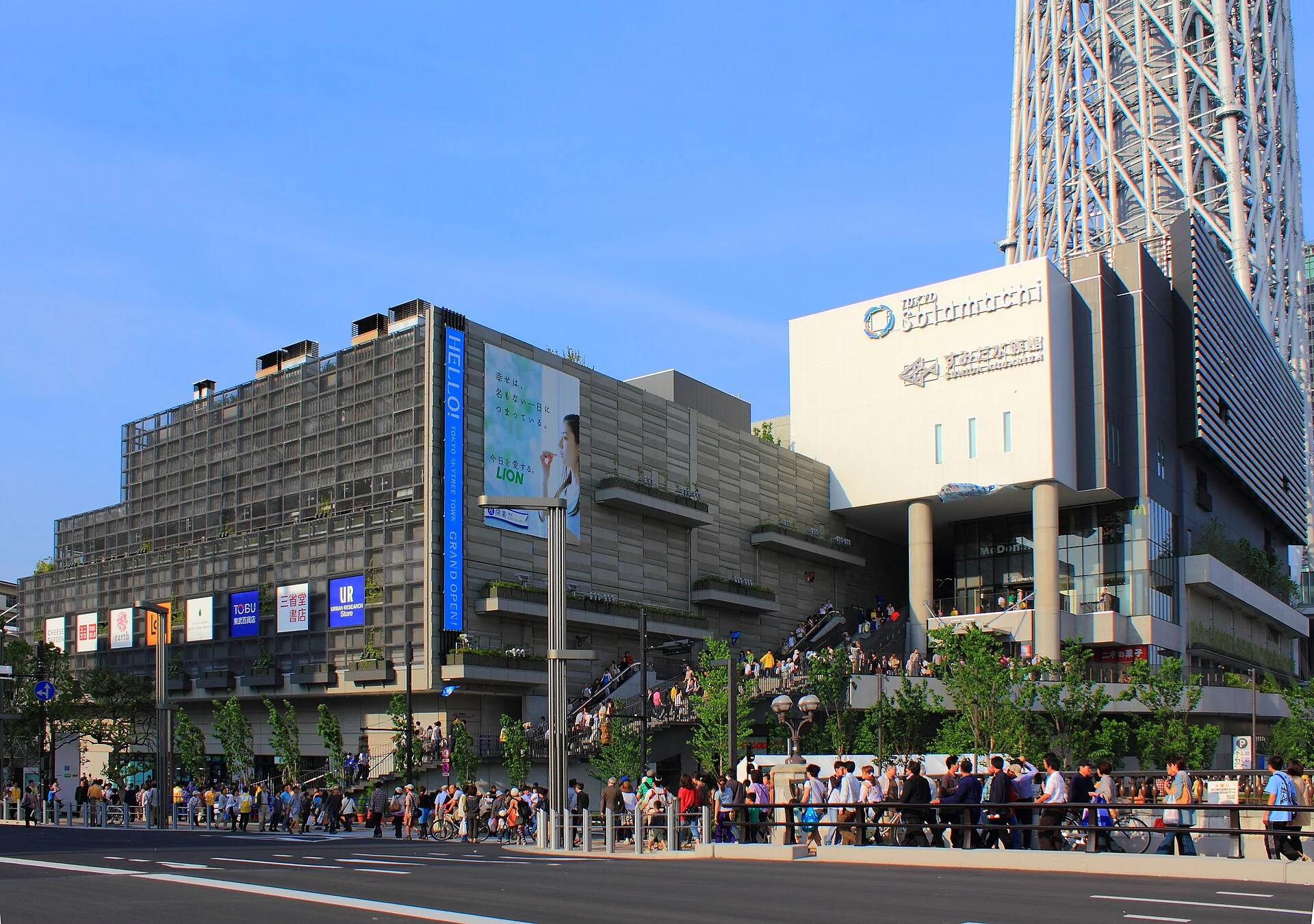
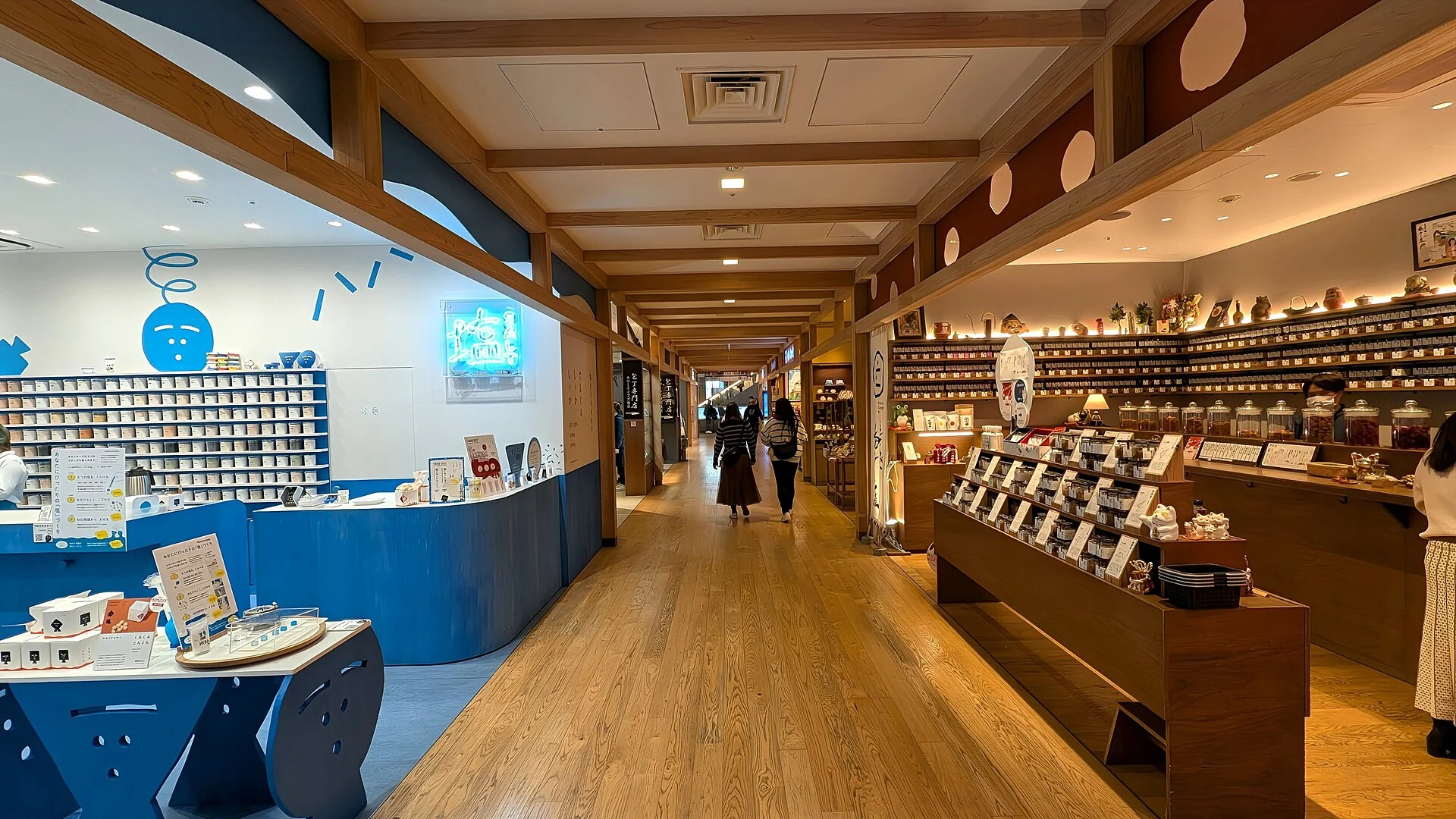
Choose one shopping floor, one meal or one additional attraction. Solamachi’s current official information lists general shopping 10:00–21:00 and the main restaurant floors 11:00–23:00, with individual exceptions. Check the venue you actually want, its last order and any reservation requirement. Restaurants inside the paid tower are a separate choice from restaurants in the shopping complex.
For persistent rain, the Sumida Aquarium operator calendar can be a substitution for the outdoor river block or part of shopping time. It has separate admission, and dated closures or shorter hours can apply. Do not add an aquarium, two decks and a full shopping afternoon to the same small time allowance simply because they share a complex.
09 · MAKE THE CHOICE WORK FOR EVERYONE
Children, accessibility, luggage and changes of plan
Choose for the whole group’s comfort
Ask how much walking, waiting and height each person wants. An indoor observation deck can still involve bright lights, crowds, lift changes and standing. A child who loves looking at trains below may prefer extra time at one window to a second expensive deck. Schedule a toilet and food break before entering the reserved block.
For wheelchair or stroller use, check the exact route to the chosen deck. Tokyo Tower’s accessibility guidance describes the staff-assisted Main Deck route and movement between its levels; speak to the operator about the Top Deck and your equipment instead of assuming the same arrangements. Skytree provides accessible-route videos, multipurpose toilets and a priority lift within the Tembo Deck. That does not establish that every station exit or every walking route is suitable.
Leave large bags before the observation visit
Tokyo Tower’s Top Deck FAQ asks visitors to store items whose height, width and depth total 100 cm or more at the Foot Town operation centre. Skytree’s entry rules prohibit items with a side over 60 cm and other luggage that could obstruct the route. Confirm storage suitability and collection time; do not arrive with a suitcase expecting it to fit anywhere.
A hotel stop before sightseeing is often the simplest choice. If arranging a private day, specify every bag and confirm what the vehicle and operator can accommodate. A car booking is not permission to take oversized bags into an observation deck.
Late arrival, changes and cancellation
Tokyo Tower’s Top Deck FAQ says a late tour reservation becomes invalid, with no refund for that missed tour, although the Main Deck remains available under its stated arrangement. Skytree’s admission guidance directs late timed-ticket guests to staff on the reserved date and warns of potentially long waits. Neither is a reason to plan to arrive late.
For a changed date or deck, consult the Skytree change and cancellation instructions or Tokyo Tower Top Deck conditions, together with the actual seller’s terms. Some changes require cancellation and repurchase, and fees or availability can make that costly. Arrange transport with a buffer and protect the time slot by dropping an optional earlier stop.
10 · KEEP THE VIEW IN PROPORTION
Choose the better fit for your Tokyo itinerary
With one or two days in Tokyo, choose one paid tower and build the rest of that day nearby. With a longer stay, visit the other neighbourhood on another day and decide whether a second paid view adds something you actually want. There is no need to turn a tower comparison into an obligation to buy two tickets.
- Choose the neighbourhood that already fits the day.
- Decide whether you want the exterior photograph, the view from inside, or both.
- Select the actual observation level before comparing prices.
- Check the date-specific opening, ticket conditions and visibility expectations.
- Reserve a meal or rest break and protect the entry buffer.
- Agree one optional stop to drop if the group runs late.
If your priority is a skyline with Tokyo Tower in it
Consider a separately chosen viewpoint rather than standing inside the subject you want to photograph. Our Shibuya guide and Shinjuku guide discuss other observation choices. Check their own tickets, hours and weather rules before substituting one.
When a private Tokyo itinerary is useful
Both tower outings can work independently by rail and on foot. A wider day across several districts, particular mobility needs or a group with luggage may benefit from discussing a private arrangement. Share your hotel, date, group, luggage, preferred tower and comfortable walking range, and explain whether you need an accompanying guide. A driver and guide are different services, as our comparison explains.
Plan a skyline stop on my Tokyo day ↗. We can discuss how the stop fits the rest of your requested route; vehicle fit, language support, guide arrangements, price and availability require confirmation. Observation tickets and timed entry should be confirmed explicitly. For another day outside Tokyo, consider Mount Fuji or Kamakura as separate outings.
11 · BEFORE YOU BOOK
Tokyo Tower vs Skytree: common questions
Which is taller, Tokyo Tower or Tokyo Skytree?
Skytree is taller: 634 m compared with Tokyo Tower’s 333 m. Visitors use observation levels below those total heights. Compare the Main Deck / Top Deck with the Tembo Deck / Galleria, rather than imagining a ticket takes you to either antenna tip.
Which has the better view?
Skytree is the choice for greater height and a broad city panorama. Tokyo Tower offers a closer perspective among the central buildings. Choose by the view you enjoy and the neighbourhood you want to explore, rather than expecting one universal winner.
Is Tokyo Tower cheaper than Skytree?
Its basic Main Deck ticket has the lower advertised adult price. For the higher options, compare Tokyo Tower’s Top Deck Tour with Skytree’s two-deck combo on the actual date. Those are different products, and the entry-level price does not answer that comparison.
Should I buy Skytree tickets in advance?
Online purchase lets you choose from available times and avoid the 4F counter issue fee. A timed ticket still needs time for entry and lifts. Choose the deck and check the seller’s cancellation conditions before payment.
Is the Skytree Galleria worth the extra cost?
Choose it if the higher corridor experience is a priority. If you mainly want an introduction to the view and time for Asakusa, food and shopping, the Tembo Deck can be enough. An upgrade does not guarantee better weather or less crowding.
Can I see both towers in one day?
Yes, but two paid observation visits take time and repeat part of the experience. For a short trip, choose one paid visit and see the other tower from ground level as part of its surrounding neighbourhood. Do not treat the transfer as an instant hop.
Is sunset always the best time?
Sunset suits visitors who want changing light and can protect a fixed slot. Daytime is useful for reading the city, while night highlights illuminated streets. Use your date’s sunset and leave an entry buffer; no time guarantees clear weather.
Can I see Mount Fuji from the towers?
Distant views depend on weather and visibility. Treat a possible mountain sighting as an extra and choose a tower you would still enjoy without it. If Fuji itself is the main purpose of the trip, plan it as a separate destination with realistic weather expectations.
Official sources and planning notes
Checked 23 October 2026. Confirm prices, times, visitor restrictions and booking conditions for your travel date. Comparisons, budgets and route allowances are TokyoVia editorial planning, not a claim of a personal visit or guaranteed ticket, vehicle or guide availability.
- Tokyo Tower: current standard fees and deck hours
- Tokyo Tower: official ticket types and purchase
- Tokyo Tower: Main Deck floors, glass window and lift transfer
- Top Deck Tour: mirrored interior and visit sequence
- Top Deck Tour: reservations, late arrival, baggage and changes
- Tokyo Tower FAQ: hours, re-entry and camera equipment
- Tokyo Tower: station exits and walking estimates
- Tokyo Tower: accessibility and staff assistance
- Tokyo Tower: current light-up calendar
- Skytree: current ticket options, starting prices and counter issue fee
- Skytree Japanese ticket page: price cross-check
- Skytree: observation levels and facility map
- Skytree: date-specific opening and last admission
- Skytree: 4F entrance, accessible routes and visitor questions
- Skytree: online purchase and reserved-entry lane
- Official Skytree booking FAQ: release dates, QR codes, visibility and booking conditions
- Skytree: seller-specific changes and cancellation
- Skytree: baggage and photography rules
- Zojoji: history and gate-restoration notice
- Zojoji: worship hours and accessibility questions
- Shiba Park: operator information, map and notices
- GO TOKYO: Sumida River Walk and mizumachi
- Solamachi: current general opening and restaurant-floor hours
- Sumida Aquarium: separate operator calendar and dated notices