Walk beneath the torii and into the trees. Take a quiet moment at the shrine. Then return to a Tokyo of colour, cafés and extraordinary style.
THE QUICK ANSWER
Allow four to five hours for Meiji Shrine, a meal and one part of Harajuku or Omotesando. For a first visit, approach from Harajuku, spend about an hour on the shrine visit and return south before shopping. Choose Takeshita Street for playful fashion and a sweet snack, or Omotesando for architecture, larger shops and a seated lunch. Add the Inner Garden or Meiji Jingu Museum by reducing the shopping time—not by squeezing every stop into the same morning.
Official details checked 22 October 2026. Opening times below distinguish the main grounds from paid facilities. The route blocks are TokyoVia planning allowances, rather than guaranteed journey times.
01 · TWO MOODS, ONE MORNING
Meiji Shrine and Harajuku: choose your half-day
The appeal of this combination is the change of pace. The shrine approach invites you to slow down, while Harajuku rewards curiosity: a window display, a backstreet boutique or a carefully chosen lunch. They are neighbours, but they work on different clocks. A dawn shrine visit does not mean the fashion stores will be ready when you leave.
Start by choosing what matters most. If this is your first Shinto shrine, leave space to understand the setting and observe respectfully. If fashion is the priority, keep the shrine visit simple and make a shortlist of shops. If the garden or museum is central, let it replace another part of the plan.
| What you want | A workable combination | Leave optional |
|---|---|---|
| A first shrine visit | South approach, shrine, return to Harajuku and lunch. | Both paid facilities and a long shopping list. |
| Garden and woodland | Shrine plus Inner Garden, then a meal. | A full museum visit and far-end shopping. |
| History and architecture | Shrine plus Meiji Jingu Museum on an opening day. | Garden and every Harajuku shopping zone. |
| Teen fashion and treats | Shrine first, then Takeshita Street and a few named shops. | A compulsory long avenue walk. |
| A gentler shopping afternoon | Shrine, seated lunch and a selected Omotesando stop. | Takeshita at its most congested. |
| A short morning | Shrine and a planned café break. | Waiting for an entire shopping district to open. |
A little history before you arrive
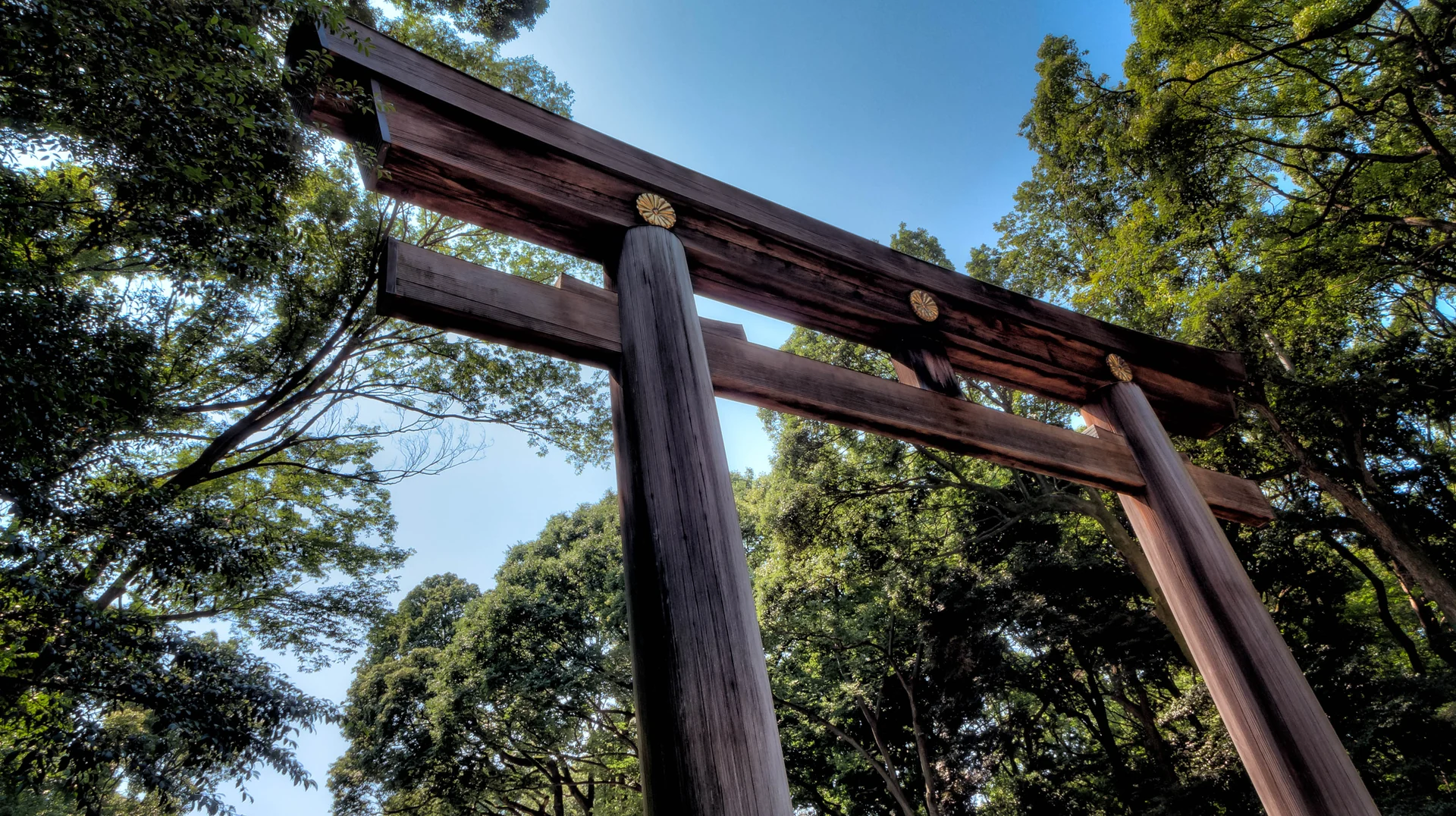
Meiji Jingu is a Shinto shrine, established in 1920 to honour Emperor Meiji and Empress Shoken. Its roughly 70-hectare forest was deliberately planted and planned to develop over generations. That history is more interesting than imagining untouched ancient woodland in the centre of Tokyo. See the shrine’s introduction and account of its forest.
There is no need to know every term before visiting. It helps to recognise that this is an active religious place, with people coming for worship as well as sightseeing. Treat the approach and courtyard as shared spaces, and let the day begin at a quieter pace.
02 · PLAN WITH THE RIGHT CLOCK
Meiji Jingu hours and entrance fees
The main grounds are free, but they are not open around the clock. Use the month-specific times for your date. In autumn and winter, leaving the shrine until after an afternoon of shopping can make the visit rushed or impossible.
| Month | Opens | Closes |
|---|---|---|
| January | 06:40 | 16:20 |
| February | 06:20 | 16:50 |
| March | 05:40 | 17:20 |
| April | 05:10 | 17:50 |
| May | 05:00 | 18:10 |
| June | 05:00 | 18:30 |
| July | 05:00 | 18:20 |
| August | 05:00 | 18:00 |
| September | 05:20 | 17:20 |
| October | 05:40 | 16:40 |
| November | 06:10 | 16:10 |
| December | 06:40 | 16:00 |
Source: Meiji Jingu’s official visiting hours, checked 22 October 2026. Individual facilities have shorter schedules. Check current notices for special arrangements; an evening in Harajuku does not extend the shrine’s opening.
Free grounds, paid garden and museum
| Area | Standard charge | Regular facility hours / key limit |
|---|---|---|
| Main shrine grounds and ordinary visit | Free. | Use the monthly table above. |
| Inner Garden / Meiji Jingu Gyoen | ¥500 maintenance contribution. | March–October 09:00–16:30; November–February 09:00–16:00. June has longer hours:08:00–17:00, weekends until 18:00. |
| Meiji Jingu Museum | Adults¥1,000; high-school age and younger¥900, with separate exemptions. | 10:00–16:30; last entry 16:00. Thursday closures, holiday exceptions and exhibition-change closures apply. |
The garden and museum are separate choices. Check the garden’s own schedule and museum’s current visitor information before allocating time or buying admission. The museum’s dedicated English and Japanese pages give the current ¥1,000 adult price; do not budget from an older general summary.
For a simple budget, put aside the admission for your chosen extra plus food, shopping and transport. There is no need to buy a general shrine ticket to walk the ordinary approach and make an ordinary visit. Charms, a shrine seal or a private religious rite are different arrangements.
How long should you allow?
For planning, reserve 60–90 minutes for the south approach, shrine visit and return, including pauses. Add roughly 45–60 minutes for either the garden or museum if it interests you. These are editorial allowances; crowds, walking pace, an exhibition or a queue can change them. The operator’s visitor questions gives about an hour for the shrine itself as a basic guide.
A late arrival needs a smaller plan, not a faster walk through the entire precinct. Agree the latest time you will turn back, and choose one priority before entering. Keep enough margin to leave the grounds before their stated closure.
03 · KNOW WHICH SIDE YOU NEED
Meiji Jingu map: entrances and a simple walking route
Save the official Meiji Jingu precinct map before setting out. It shows the internal paths and landmarks more usefully than a pin for “Meiji Shrine.” The station, first torii and main shrine are different points. The operator notes that the main buildings require at least another ten minutes after reaching an entrance; allow longer for an unhurried visit.
| Approach | When it makes sense | What to remember |
|---|---|---|
| South / Harajuku | Best starting choice for this combined Harajuku half-day. | JR Harajuku or Meiji-jingumae〈Harajuku〉, then the south approach. Return south for shopping. |
| North / Yoyogi | Useful when your hotel route or wider day brings you to Yoyogi. | An entrance near a station does not put you at the main shrine; use the internal map. |
| West / Sangubashi | Useful when arriving on the Odakyu side. | Decide whether to return west or walk through to the south; do not assume the same exit works for both journeys. |
The south-to-south route for a first visit
ROUTE AT A GLANCE · NOT TO SCALE
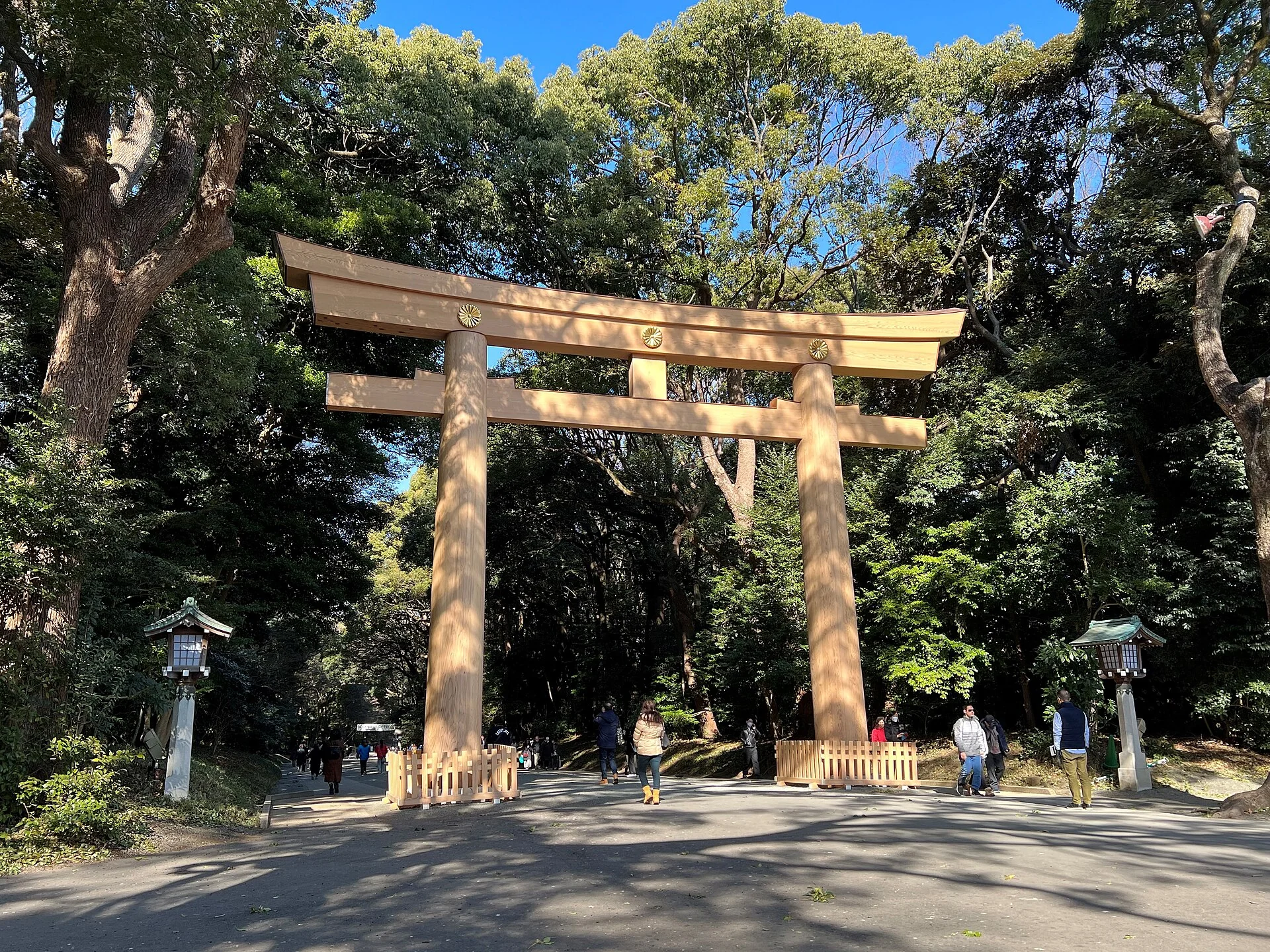
- Harajuku / Meiji-jingumae station area → south entrance.
- Forest approach → sake and wine barrel displays on the approach.
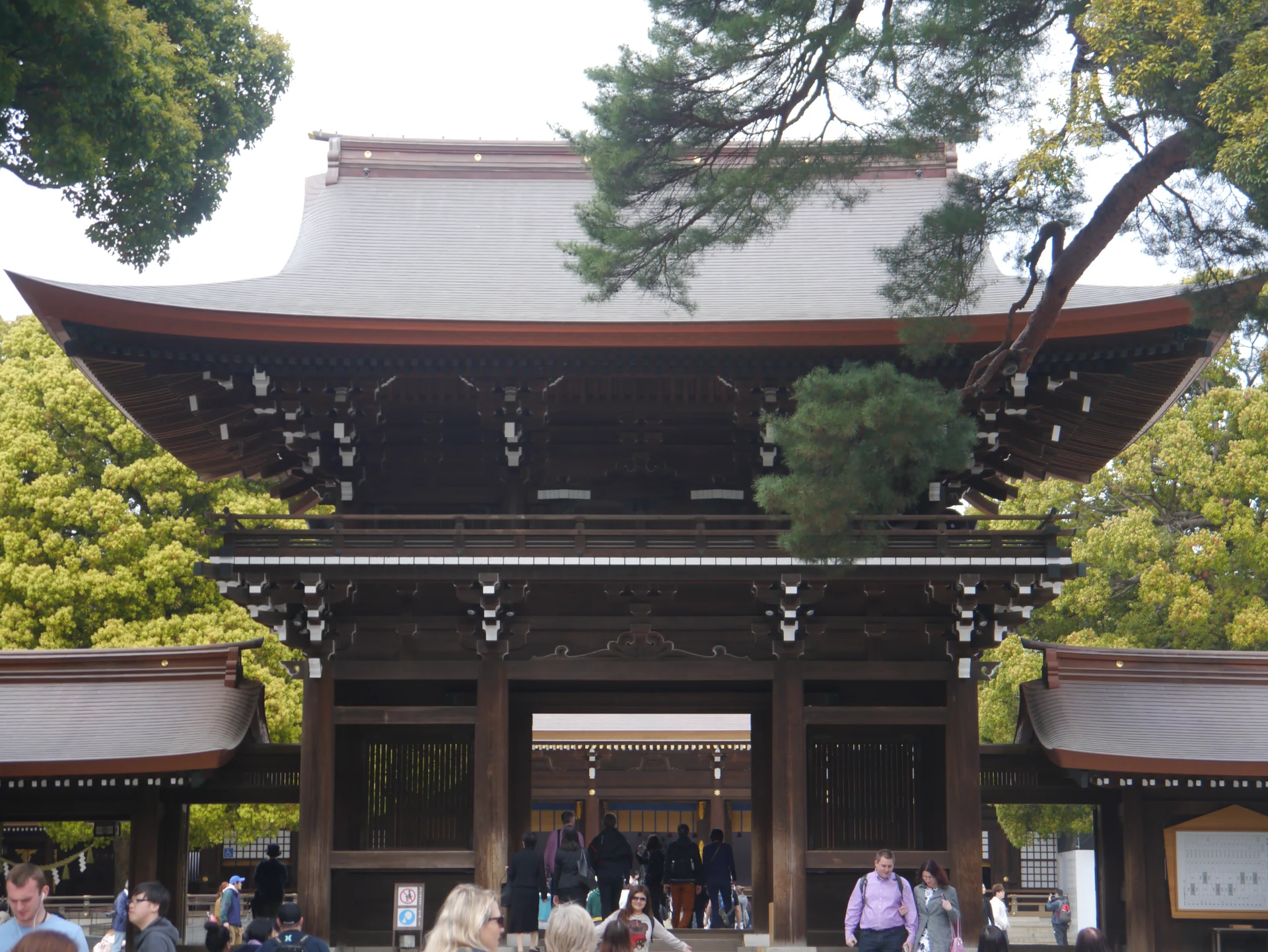
- Continue to the shrine area → respectful visit.
- Return along the signed south route → optional garden or museum if scheduled.
- Leave the precinct → Harajuku lunch and your chosen shopping streets.
This is a sequence for planning, not a surveyed map or a shortcut through restricted woodland. Follow the signed paths and the official map. If a ceremony changes access, follow staff directions and simplify the visit.
Station choice and the journey from your Tokyo hotel
Use JR Harajuku for the Yamanote Line, or Meiji-jingumae〈Harajuku〉 for Tokyo Metro’s Chiyoda and Fukutoshin lines. Choose from your hotel location and the practical transfer, rather than changing lines solely for the station name. The museum’s operator directions identify JR’s Omotesando gate / west side and Metro Exit 2 for the southern approach; if you need a lift, use the current station accessibility map instead of assuming every nearby exit is suitable.
Check the Metro station and accessibility information and shrine access page. An approximate hotel departure should include walking to your first station, waiting, transfers and the walk into the precinct. Plan backwards from a 09:00 arrival at the south entrance, rather than quoting one universal Tokyo hotel journey time.
After Omotesando shopping, finish at Omote-sando Station if it suits the journey back. If you choose Takeshita Street only, returning to Harajuku or Meiji-jingumae can be simpler. A good route ends near the transport you need.
04 · A WELCOME WITH RESPECT
Visiting Meiji Shrine respectfully
Visitors of other faiths and those without a religious affiliation are welcome. You can observe without performing a ritual. Keep voices low, leave routes clear and watch for people who are there to pray. A thoughtful visit does not depend on buying an item or completing a checklist of ceremonies.
Purification and prayer
The shrine’s purification and prayer guidance explains the sequence. At the water place, rinse your hands and follow the current instructions for mouth rinsing; do not put your mouth to shared equipment. At the offertory area, a small coin offering is optional. The prayer sequence is two bows, two handclaps and a final bow. Take a quiet moment between the claps and final bow.
Follow the arrangement in place on your visit rather than trying to recreate an old photograph of the water basin. Step aside afterwards so other people can approach. If you are unsure, observing respectfully is entirely reasonable.
Photographs, food and the forest
Follow the official etiquette rules: refrain from photographs and video at the main sanctuary where people pray. Do not interpret that boundary as merely the inside of a building. Signs and staff directions take priority; promotional photography or filming requires permission.
Stay on the paths and leave plants and natural objects undisturbed. Use only the designated places for food or drink. Allow a wedding party or religious procession to pass without blocking it or treating participants as photographic subjects. No ceremony or wedding is guaranteed for your visit.
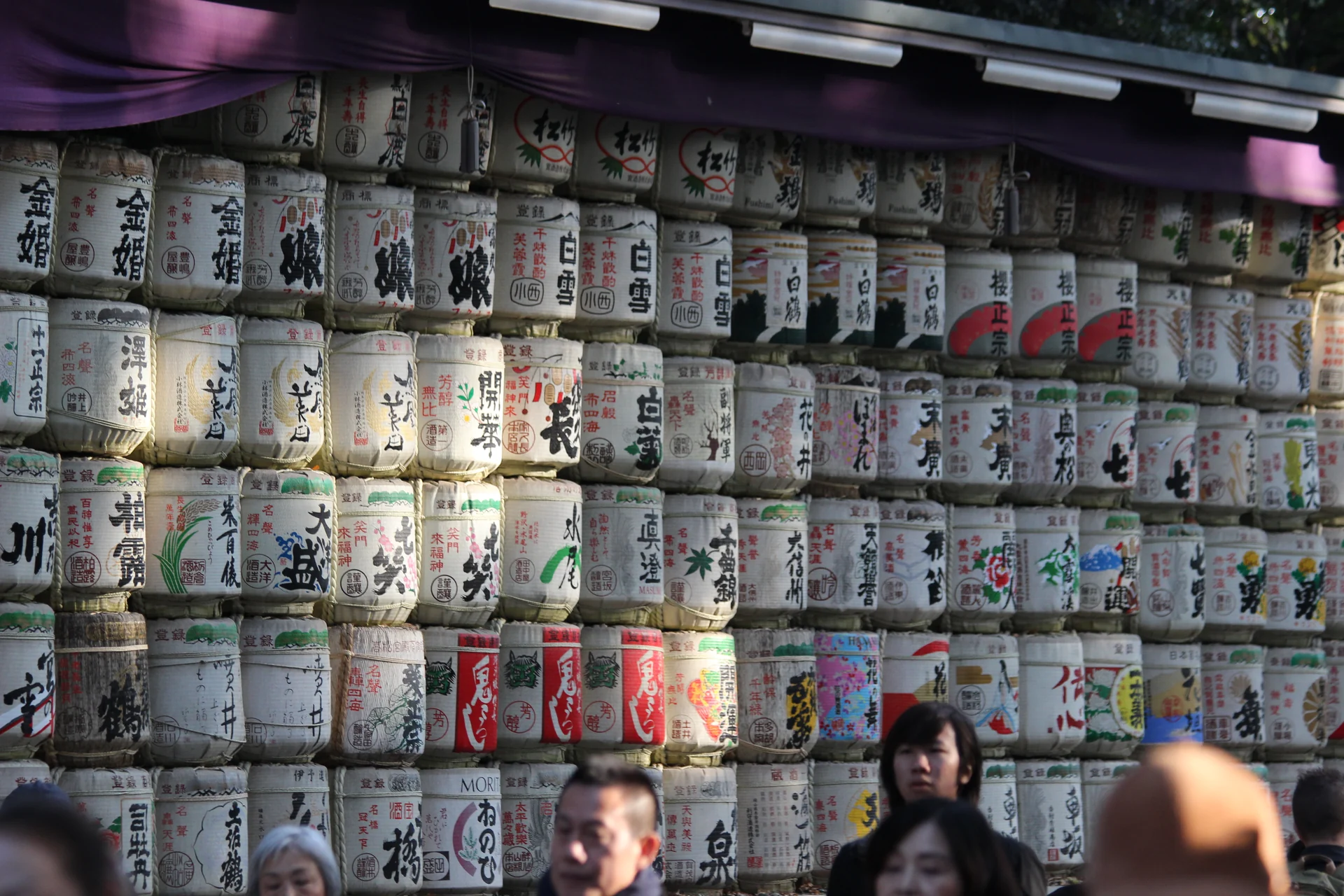
The sake and wine displays are a useful place to pause and notice the difference between the approach and sanctuary. Take any permitted photographs without stopping the flow of people. Bring a camera if you enjoy architectural and woodland details, but be ready to put it away.
If you would like an amulet or goshuin shrine seal, allow time at the appropriate counter and check its current arrangements. Some shrine counters do not take cards, even though restaurants and shops may do so. Carry a modest amount of cash; the ordinary shrine visit itself remains free.
05 · CHOOSE ONE EXTRA
Inner Garden or Meiji Jingu Museum?
Both can deepen a visit, but neither is compulsory. Choose based on interest, weather and the day’s schedule. If you add both, treat the shrine grounds as the main outing and shorten the Harajuku section substantially.
Inner Garden: a slower path and seasonal flowers
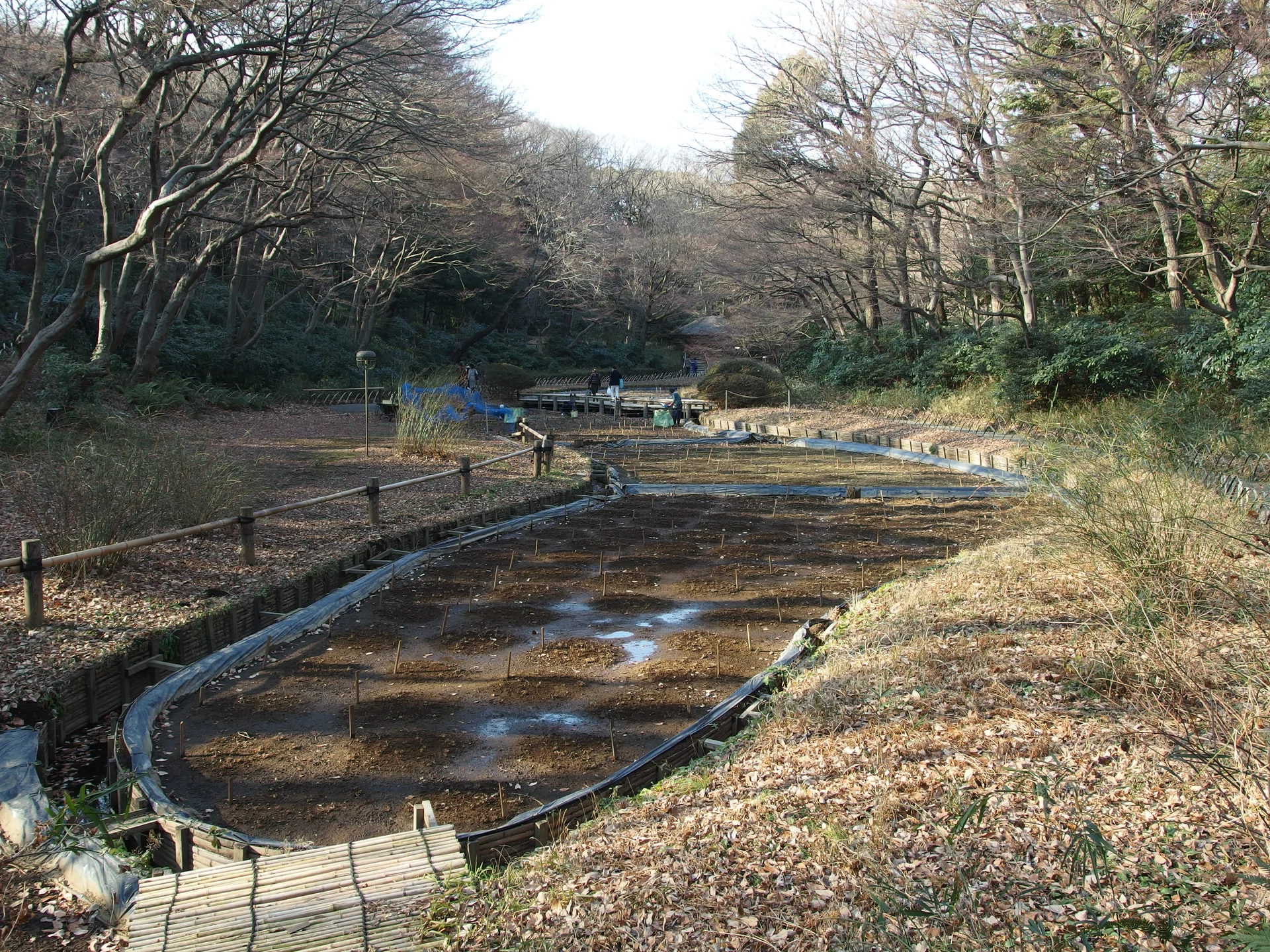
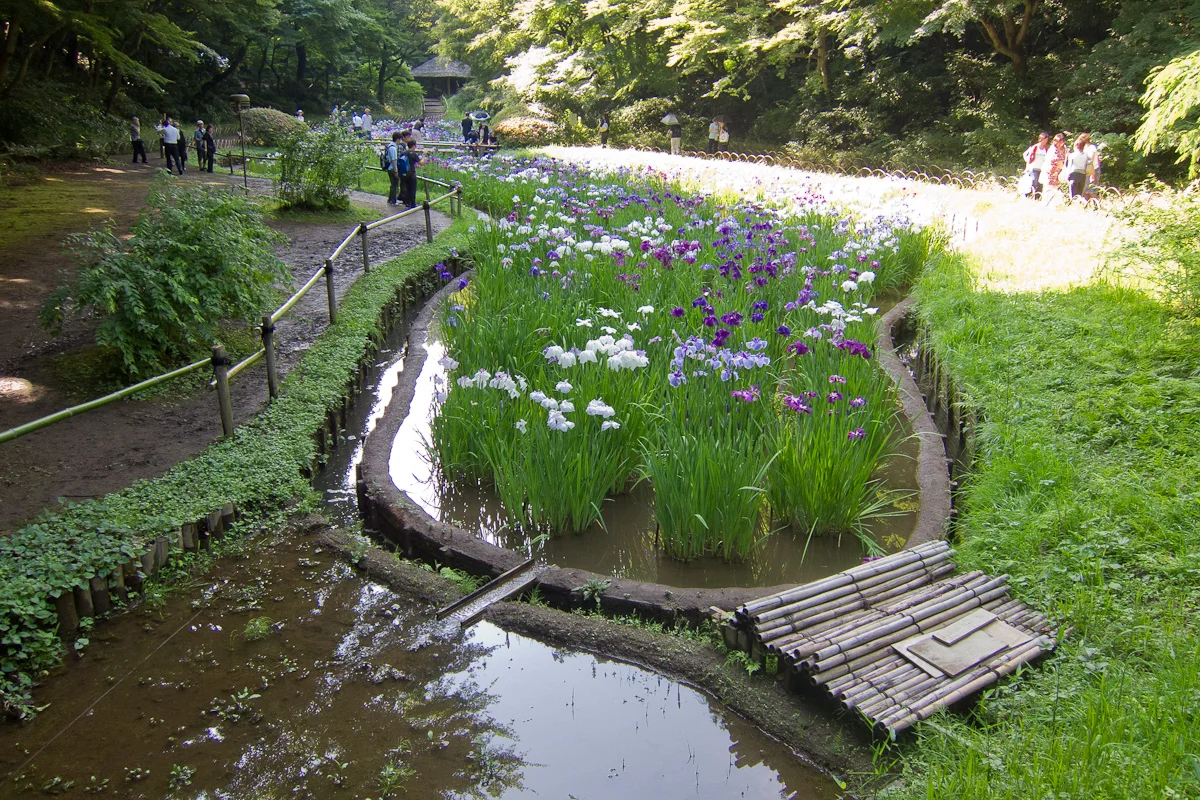
Choose the garden if you enjoy a pond, changing planting and a more deliberate walk. The garden has a separate entrance and contribution. Its paths are not an extension of a shopping shortcut; leave time to explore them rather than paying to hurry straight to Kiyomasa’s Well.
The official garden introduction identifies June irises and late-autumn maples among its seasonal features. A winter visit has a different character from a June photograph. Bloom and foliage timing varies, and the June opening schedule is different from the ordinary March–October hours. Use current information for the day rather than treating every garden photograph as a year-round scene.
Museum: history, objects and a modern building
Choose the museum if the imperial history, collections or Kuma Kengo’s architecture interests you. It opened in 2019 and displays objects associated with Emperor Meiji and Empress Shoken. Read the current exhibition information before deciding how much of the collection you want to see.
Use the dedicated museum visitor page for the 10:00 opening, 16:00 last admission and current adult fee. The Japanese operator page also explains the Thursday public-holiday exception and closures between exhibitions. 22 October 2026 is a Thursday: this article’s publication date is not a recommendation to expect the museum to be open that day.
If it is closed, keep the shrine and garden option or give Harajuku a longer lunch. A rainy day does not automatically make the museum available, nor does visiting an indoor attraction remove the outdoor approach. Check before leaving the hotel.
What to cut when you add an extra
- Add the garden: shorten Takeshita browsing or omit a distant shopping stop.
- Add the museum: aim to reach it after 10:00 and move lunch later; check the closing calendar.
- Add both: allow a longer shrine-centred day, with one simple meal afterwards.
- Running late: keep the shrine visit and meal, then choose just one street.
06 · RETURN TO THE COLOUR
Harajuku, Takeshita Street and Omotesando
After leaving the precinct, choose a shopping mood. Trying to cover every lane gives you less time to notice what makes each area different. Pick a few shops that suit the group and keep space for an unexpected discovery.
Takeshita Street: playful fashion and a snack
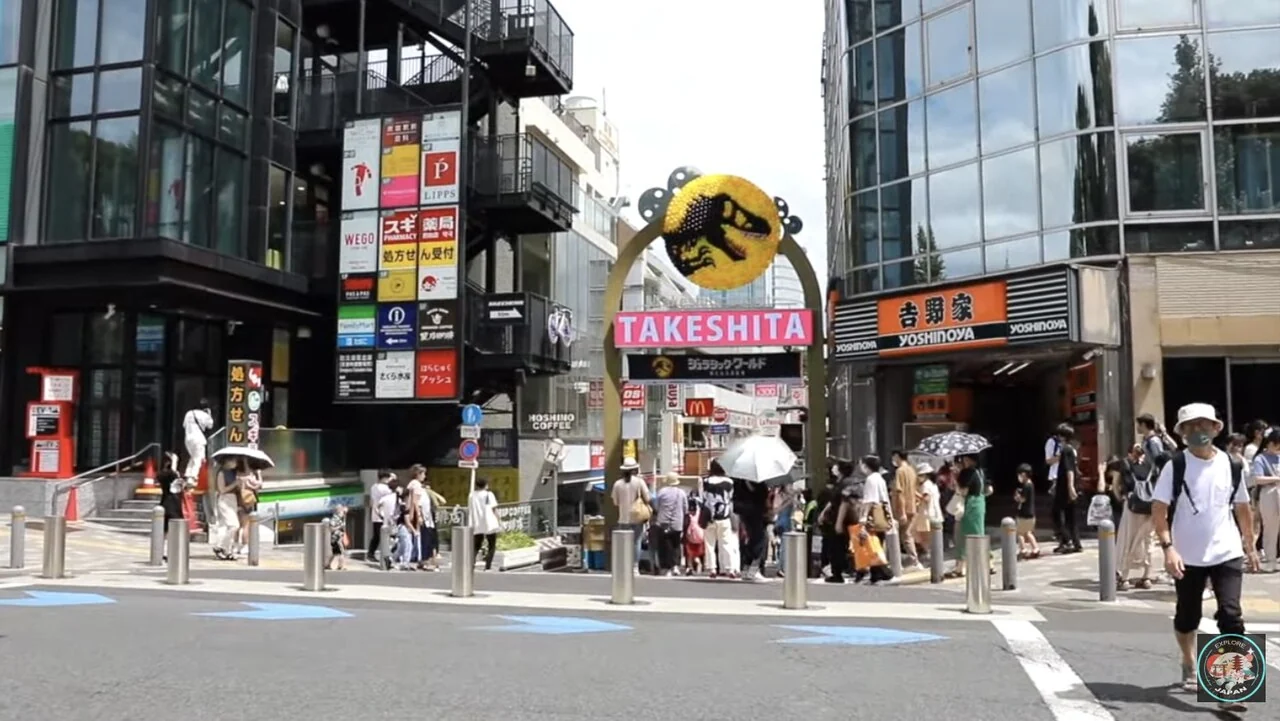
The approximately 350-metre Takeshita Street is a compact introduction to Harajuku’s youth fashion and sweet treats. A short street can still take time when it is busy. Browse in small sections, pause off the main pedestrian flow and agree where your group will regroup if someone stops at a shop.
The official Tokyo street guide makes clear that hours depend on the individual business. Arriving early may suit the shrine, but it does not guarantee shops are open. Give the street a later-morning slot and check any must-visit shop directly.
Omotesando: architecture and a more selective shop
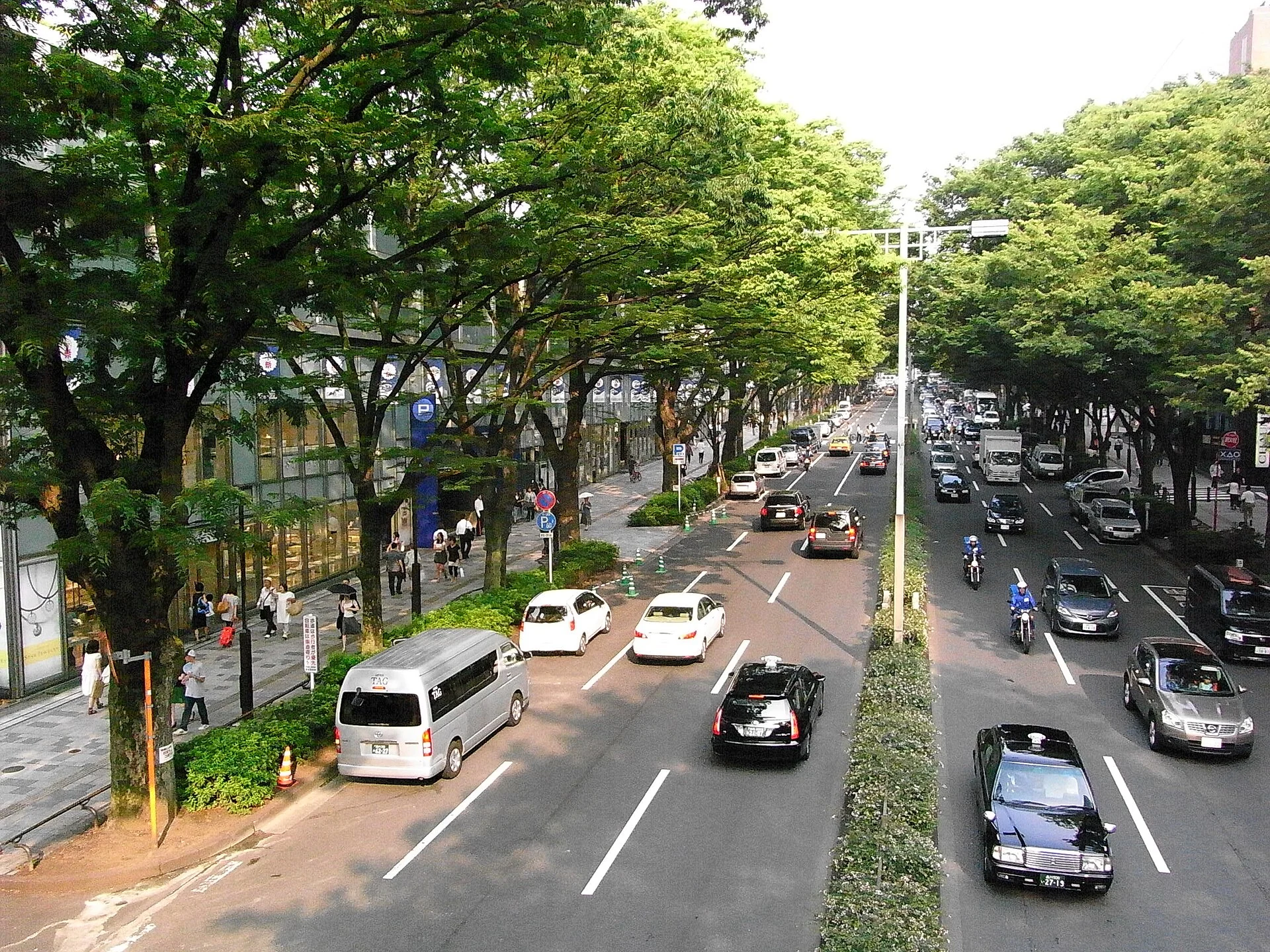
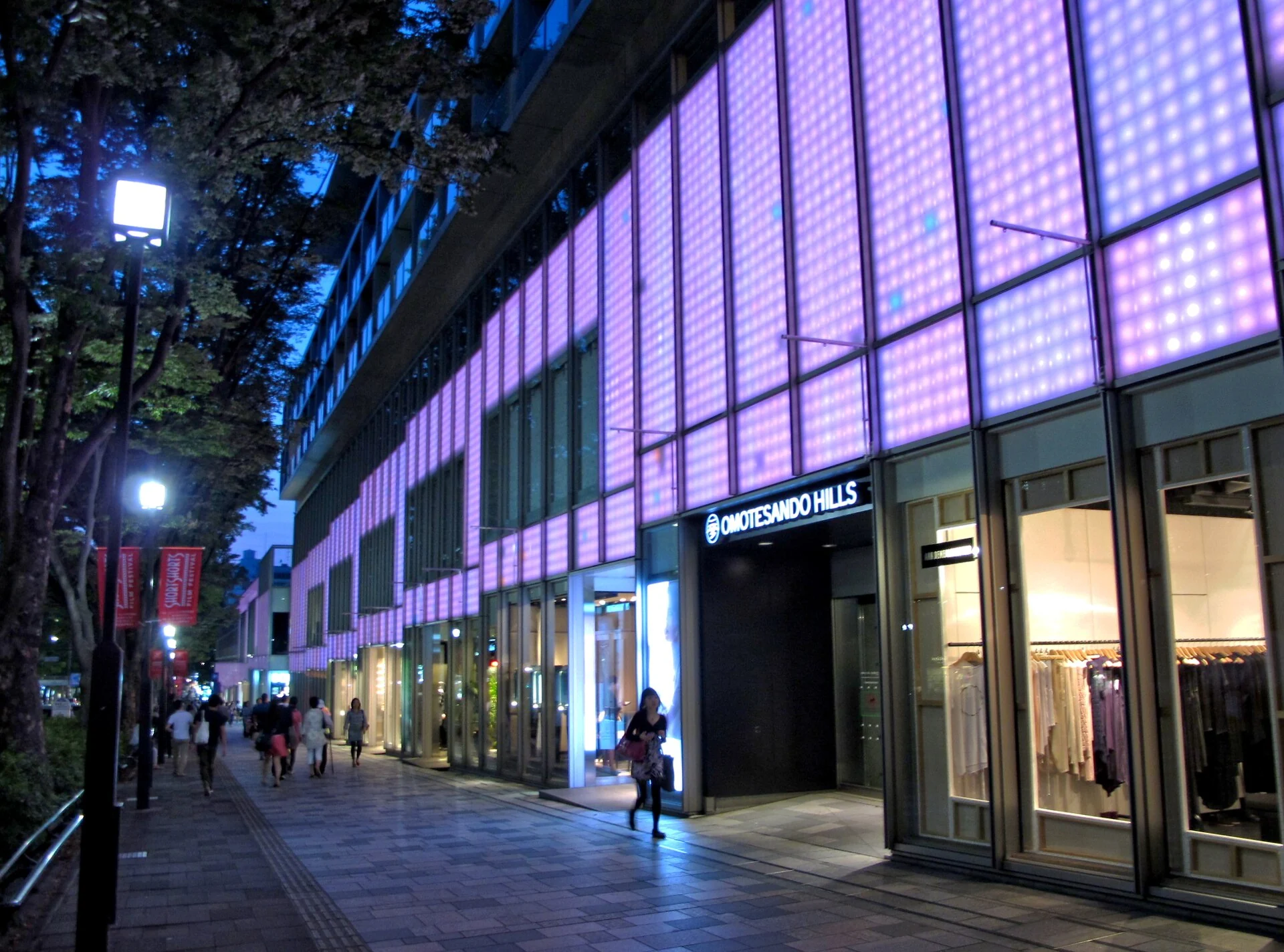
Omotesando is the choice for a wider avenue, larger fashion buildings and architectural details. Enjoy the façades from public space, then choose one building or store to enter. You do not need a purchase at every stop for the walk to feel worthwhile.
For a reliable timing anchor, Laforet Harajuku lists 11:00–20:00; Omotesando Hills lists shops and cafés 11:00–20:00, with different restaurant hours and individual exceptions. These are two specific facilities, not a universal schedule for the district. Check Laforet access and hours and Omotesando Hills hours.
Cat Street and the side streets: an optional branch
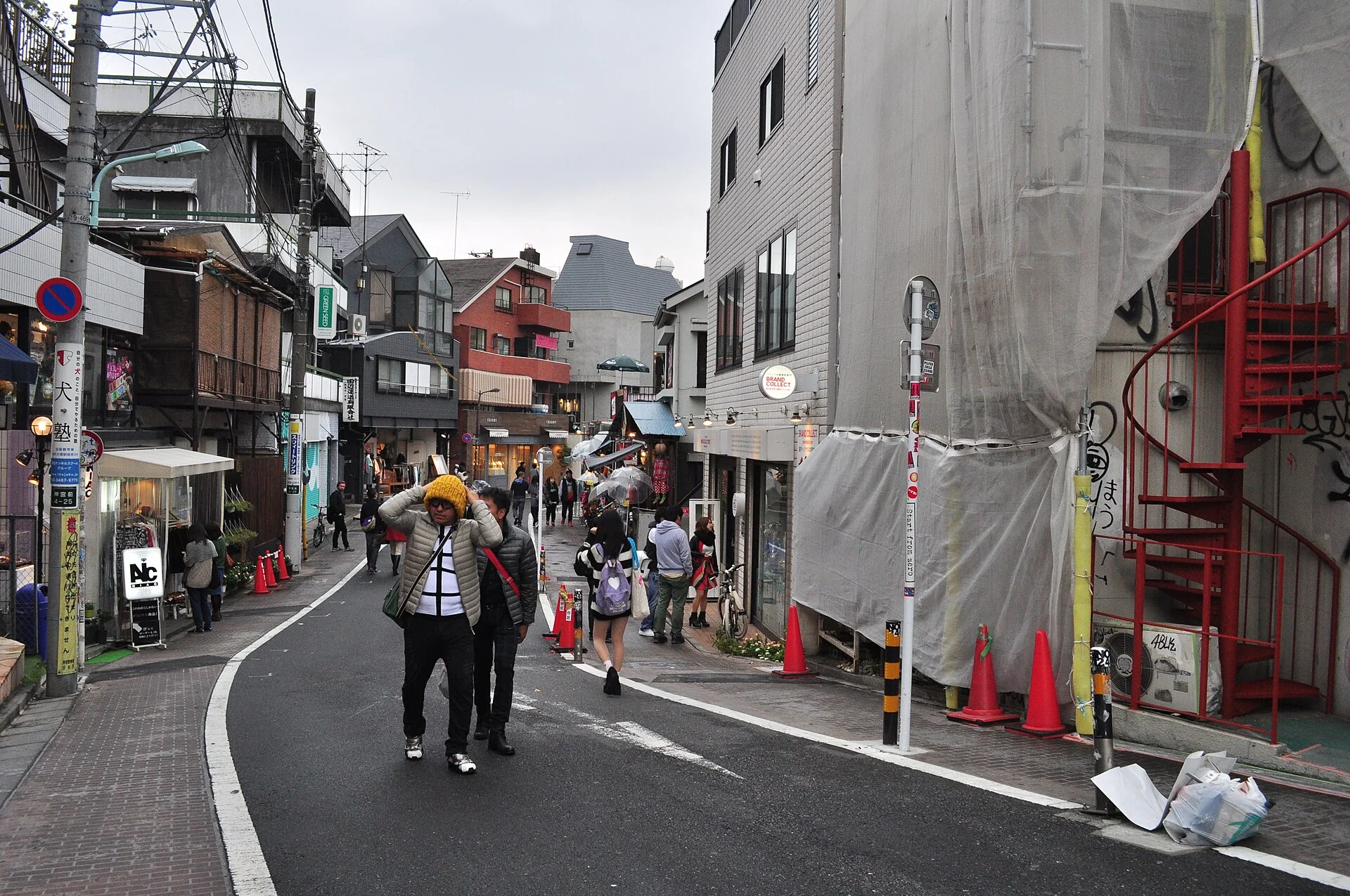
Cat Street and the surrounding lanes suit a more selective browse of clothing and boutiques. Use the official Harajuku area guide to orient yourself, then check the actual stores you want. A side street may feel less intense than Takeshita, but it is not guaranteed to be empty.
If Shibuya is the destination later in the day, use a specific walking or transit plan and cut another shopping block. Our Shibuya half-day guide compares its views and shopping areas. Two half-days plus a meal and transfer become a full day; they are not interchangeable with this shorter route.
07 · LEAVE ROOM FOR LUNCH
Harajuku food: a crepe or a proper seated break?
A crepe can be a memorable pause, but it does not replace a meal for every group. Before choosing a queue, decide whether you need a sweet snack, a seat, a substantial lunch or somewhere suitable for a particular dietary requirement. That small decision prevents a hungry group from drifting between busy counters.
A sweet stop on Takeshita Street
Marion Crepes is one identifiable option: the operator lists a Harajuku Takeshita Street branch at 1-6-15 Jingumae and a separate CUTE CUBE branch nearby. Check the official branch directory so a saved pin matches the shop you intend to visit. Choose fillings and confirm the current price at the counter; historical photographs and old travel menus are not current price lists.
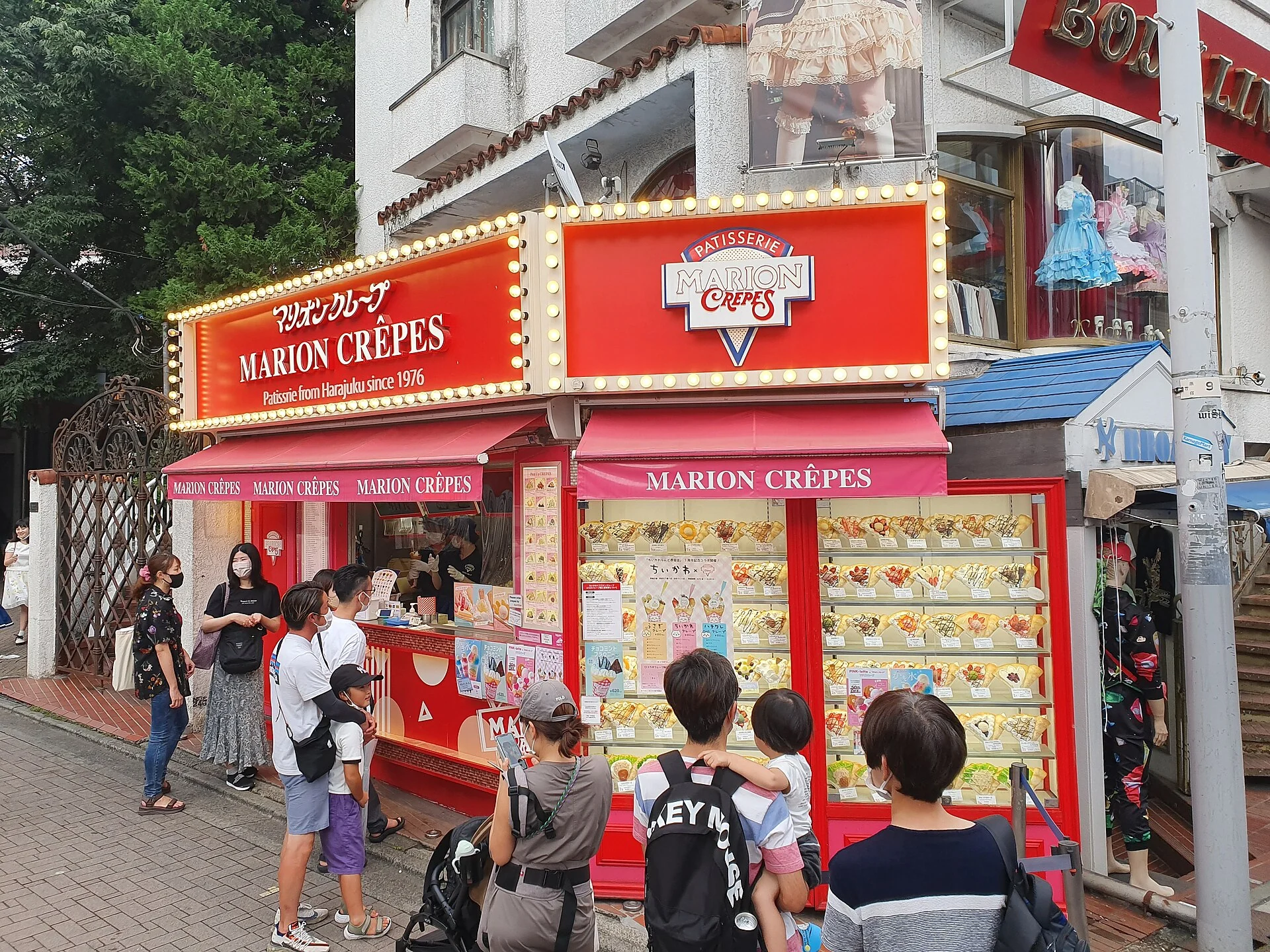
Ask the seller where you may eat, keep doorways and routes clear, and keep any food out of the sacred areas except where expressly permitted. With allergies, check ingredients and preparation, including shared equipment, directly with staff. Do not infer halal, vegan or allergen-free suitability from a dish name or an English menu.
A seated lunch around Omotesando
For a fuller break, choose a restaurant and an alternative before the walk. Omotesando Hills has an operator restaurant directory that helps compare cuisines and practical features. Open the individual venue’s details for its meal service, seating, booking and last-order arrangements. Building opening hours alone do not guarantee an available table or lunch menu.
| Your group needs | Plan for | Check first |
|---|---|---|
| One memorable sweet | A chosen crepe or other treat after the shrine. | Current ingredients, price and permitted eating space. |
| A proper rest | A seated lunch in a named restaurant. | Opening, queue/reservation arrangements and menu. |
| Children or limited stamina | A meal before extended shopping. | Seating, toilets, space and a backup nearby. |
| Dietary certainty | A venue that can answer specific questions. | Ingredients, preparation and cross-contact; do not assume certification. |
08 · A MORNING THAT HAS ROOM TO BREATHE
A half-day Meiji Shrine and Harajuku itinerary from Tokyo
This model begins with your journey from a Tokyo hotel and a 09:00 arrival near the south entrance. It leaves room for prayer, lunch and selected shopping. The regular version does not include either paid facility; the substitutions below show how to add one without turning the day into a race.
| Time block | What to do | Decision or buffer |
|---|---|---|
| Before 09:00 | Travel from your Tokyo hotel to Harajuku or Meiji-jingumae. | Check the route and station exit; leave luggage in suitable storage first. |
| 09:00–09:25 | South entrance and the signed forest approach. | Pause at the barrel displays without blocking the path. |
| 09:25–10:00 | Shrine visit and a few architectural details. | Respect the prayer area and any ceremony directions. |
| 10:00–10:30 | Return south and pause outside the precinct. | Keep a buffer for walking, facilities or slower progress. |
| 10:30–11:15 | A café break or a small Takeshita browse as shops open. | Check your chosen shop; do not assume all open at 10:30. |
| 11:15–12:15 | A planned seated lunch. | Use a backup if the wait is long. |
| 12:15–13:30 | Choose Takeshita/Laforet OR Omotesando stores and façades. | Keep to a shortlist; allow real browsing time. |
| 13:30–14:00 | Finish near a suitable station, or pause over a final drink. | Return to your hotel or begin a separately planned next area. |
Swap in the garden or museum
For the garden, use approximately 10:00–11:00 after the shrine, then leave for lunch and a shorter shopping block. For the museum, aim for a visit after its 10:00 opening and move the café or shopping pause later. Confirm the day’s exhibition calendar first. These are example slots, not reserved access or promises of how quickly you will finish.
If you strongly want both, move lunch and shopping later and check all closing times. The better compromise for many visitors is a second day for the attraction that deserves more attention.
A short version, rain plan and crowd plan
Two to three hours: keep the south approach, shrine visit and a meal or café; omit the garden, museum and a long shopping route. Persistent rain: shorten the outdoor section and choose one open indoor place you actually want to visit. The museum still has a Thursday closure. Very busy streets: reduce Takeshita to a short section or choose Omotesando and a booked meal instead.
When the day runs late, drop optional shopping first. If the shrine itself is approaching closure, reduce the entire plan before entering rather than trying to reach the main buildings at the last moment. A shorter visit with room to pause is more useful than a list of missed stops.
09 · MAKE THE WALK WORK FOR YOUR GROUP
Luggage, accessibility and seasonal planning
Leave suitcases before the shrine
The shrine’s visitor guidance states that there is no suitcase storage inside the grounds. Arrange hotel storage or another suitable service before arrival, checking collection times and dimensions. Do not make a narrow shopping lane or gravel approach the first test of whether a case will be manageable.
If you arrive in Tokyo that morning, keep the airport journey separate from the sightseeing time. See our Haneda transfer guide or Narita hotel-arrival guide. A hotel stop and a more modest afternoon can be a better first day than starting a full itinerary with your luggage.
Walking comfort and step-free choices
Consider distance, gravel, slopes, crowds and opportunities to sit, rather than only steps. Tokyo’s Harajuku accessibility guide notes a steep slope at the JR side of Takeshita Street and suggests entering from the Meiji-dori side. Omotesando also has a long incline. A short map line is not enough to establish an easy route.
Use current station lift information and ask about your particular needs. The shrine access page mentions wheelchairs at entrances, but availability and arrangements need direct confirmation. With limited stamina, choose the shrine plus lunch as the complete outing, or shorten the shrine visit and select one accessible shopping destination.
Seasons, events and the meaning of an early start
Start early for a shrine-focused morning, with the understanding that a calm atmosphere cannot be guaranteed. Summer warmth calls for a slower pace and an appropriate rest stop. Winter offers an earlier closing deadline; evening shopping belongs after the shrine visit.
Check the dated official notices for ceremonies and access arrangements. A previous event, wedding photograph or blossom image does not establish what you will see on your date. If an event matters to the trip, confirm its date and visitor access separately.
- Save the current month’s shrine opening and closing times.
- Choose the south, north or west entrance and your finish station.
- Check the garden or museum separately if adding one.
- Arrange storage and any necessary lift or accessibility checks.
- Pick one meal and one alternative.
- Agree which optional part to drop if the group tires.
10 · PART OF YOUR OWN TOKYO
Combine Meiji Shrine with a wider Tokyo route
Meiji Shrine and Harajuku can be a complete half-day on public transport and foot. For the afternoon, choose a genuine change of mood rather than another long checklist: Shinjuku’s gardens and evening options, or the temple streets of Asakusa on a different part of your itinerary. A museum-focused traveller may prefer a separate Ueno day.
If you are arranging several Tokyo districts, carrying luggage or balancing particular mobility needs, ask about a broader private itinerary. A driver and an accompanying guide are different services; our driver-or-guide comparison explains the choices. Even with a private arrangement, the shrine and shopping streets involve walking.
To discuss an itinerary, send your date, hotel, group, luggage and comfortable walking range, plus the two or three places that matter most. Combine Meiji Shrine with my Tokyo route ↗. Vehicle fit, guide or language support, availability and price require confirmation. For another day outside the city, browse our nearby day-trip ideas, including Kamakura and Nikko.
11 · BEFORE YOU SET OUT
Meiji Shrine and Harajuku questions answered
Is Meiji Shrine free?
The ordinary grounds visit is free. The Inner Garden asks a¥500 maintenance contribution; the museum has separate admission. Charms, seals and religious rites are different from a general admission ticket.
What are Meiji Jingu hours in October?
The regular official October schedule is 05:40–16:40. Use the month’s row above for another date and check current notices. The museum and garden have their own schedules.
Is Meiji Jingu a shrine or a temple?
It is a Shinto shrine. Visitors are welcome whether or not they practise Shinto, and can observe respectfully without taking part in prayer.
How long is the walk from Harajuku?
The station is close to the south entrance, but the main shrine is further inside. The operator advises at least another ten minutes from an entrance. Build a 60–90 minute shrine visit around the return walk and pauses, rather than treating the entrance as the destination.
Should I visit the shrine or Harajuku first?
For this half-day, visit the shrine first, then shop after your chosen stores open. This works especially well when seasonal shrine closing is early. A later start needs the actual facility schedules checked before reversing the order.
Can I take photos at Meiji Shrine?
Follow signs and the official restrictions. Refrain from photos or video at the main sanctuary where people are praying. Filming or promotional photography requires permission; do not obstruct ceremonies or worshippers elsewhere.
Can I visit the museum on Thursday?
It normally closes on Thursdays, with an exception for national holidays and further exhibition-change closures. Check the operator’s calendar. The shrine grounds and garden have different schedules.
Can I combine this with Shibuya?
Yes, but make it a longer day and cut part of the shopping or paid-facility plan. Choose your Shibuya priority, allow the journey and a meal, and avoid treating two full half-day itineraries as one short morning.
Official sources and planning notes
Information checked 22 October 2026. Recheck dates, opening, exhibitions, prices and restaurant arrangements with the operator before travelling. Route blocks and comparisons are TokyoVia editorial planning; they are not a claim of a personal visit or guaranteed access.
- Main grounds: official monthly opening and free entry
- Visitor questions: visit duration, luggage, counters and welcome
- Shrine access: entrance versus main-shrine walking time
- Official precinct map and downloadable wayfinding
- Meiji Jingu introduction and founding
- How the forest was planned and developed
- Official visitor conduct and photography restrictions
- Purification and prayer sequence
- Inner Garden: seasonal hours and contribution
- Inner Garden: seasonal plants and features
- Museum: collections, architect, hours and admission
- Museum: closure exceptions and current exhibition notices
- GO TOKYO: Takeshita Street orientation
- GO TOKYO: Harajuku and nearby shopping zones
- Laforet: current access and opening hours
- Omotesando Hills: shops, cafés and restaurant hours
- Omotesando Hills: individual restaurant directory
- Marion Crepes: current Tokyo branch directory
- Tokyo sightseeing accessibility guide: Harajuku route
- Tokyo Metro: station and accessibility information
- Meiji Jingu: dated notices and ritual information