A memorable sushi meal starts with the experience you want: a few favourite pieces, a generous set, or an evening in the chef’s hands.
THE QUICK ANSWER
The best sushi in Tokyo for your trip depends on your budget, the setting and how much of the meal you want to choose yourself. Compare Kura Sushi Asakusa ROX or Uobei Shibuya for casual ordering, Nemuro Hanamaru KITTE for a conveyor-style meal near Tokyo Station, Sushi no Midori Shibuya for a set menu, SUSHI TOKYO TEN Shinjuku for a published omakase course, and Ginza Kyubey for a more formal counter occasion. These are practical choices for different needs, not a numbered taste ranking or a promise of available seats.
Official branch and booking information checked 27 October 2026. Prices below are in Japanese yen. Read the current menu and terms for your exact date before paying or reserving. This is an independently researched planning guide, not a report of personal restaurant visits.
01 · START WITH THE MEAL
Best sushi in Tokyo: choose the experience first
Start with one question: do you want to order the food you recognise, or discover a sequence chosen by a chef? Neither answer is more sophisticated. For a family with different appetites, a flexible order can be the better meal. For two people who want a special occasion, a reserved course may be worth organising the day around.
“Counter” describes a seat; “omakase” describes leaving the selection to the chef. A counter can offer individual orders, and a chef-selected course may also be served at a table. Look at the actual menu and seating category rather than assuming that every restaurant photograph describes the same experience.
| Meal style | What you control | Main planning question |
|---|---|---|
| Conveyor or express-lane sushi | Order plate by plate; watch each price and portion. | Can the branch seat your party, and how does its queue work? |
| Standing counter | Choose a small meal or add individual pieces where offered. | Is standing comfortable, and is this a quick stop or your main meal? |
| Seated set menu | Choose a named assortment with a stated price. | What is included, and can the set work for everyone’s preferences? |
| Omakase course | Agree the course, then let the chef choose the sequence. | Can you accept the ingredients, timing, total bill and cancellation terms? |
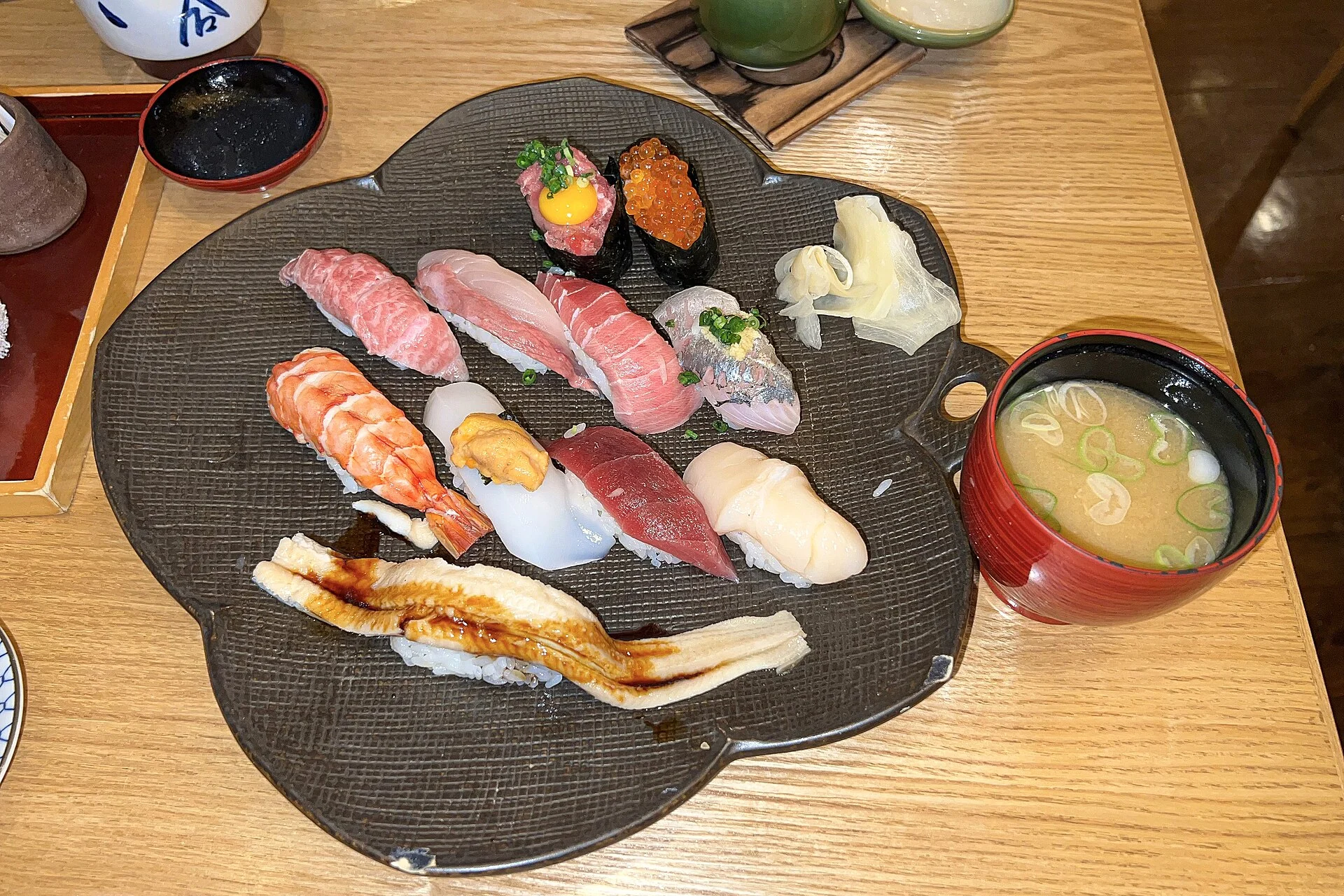
Edomae sushi is more than raw fish
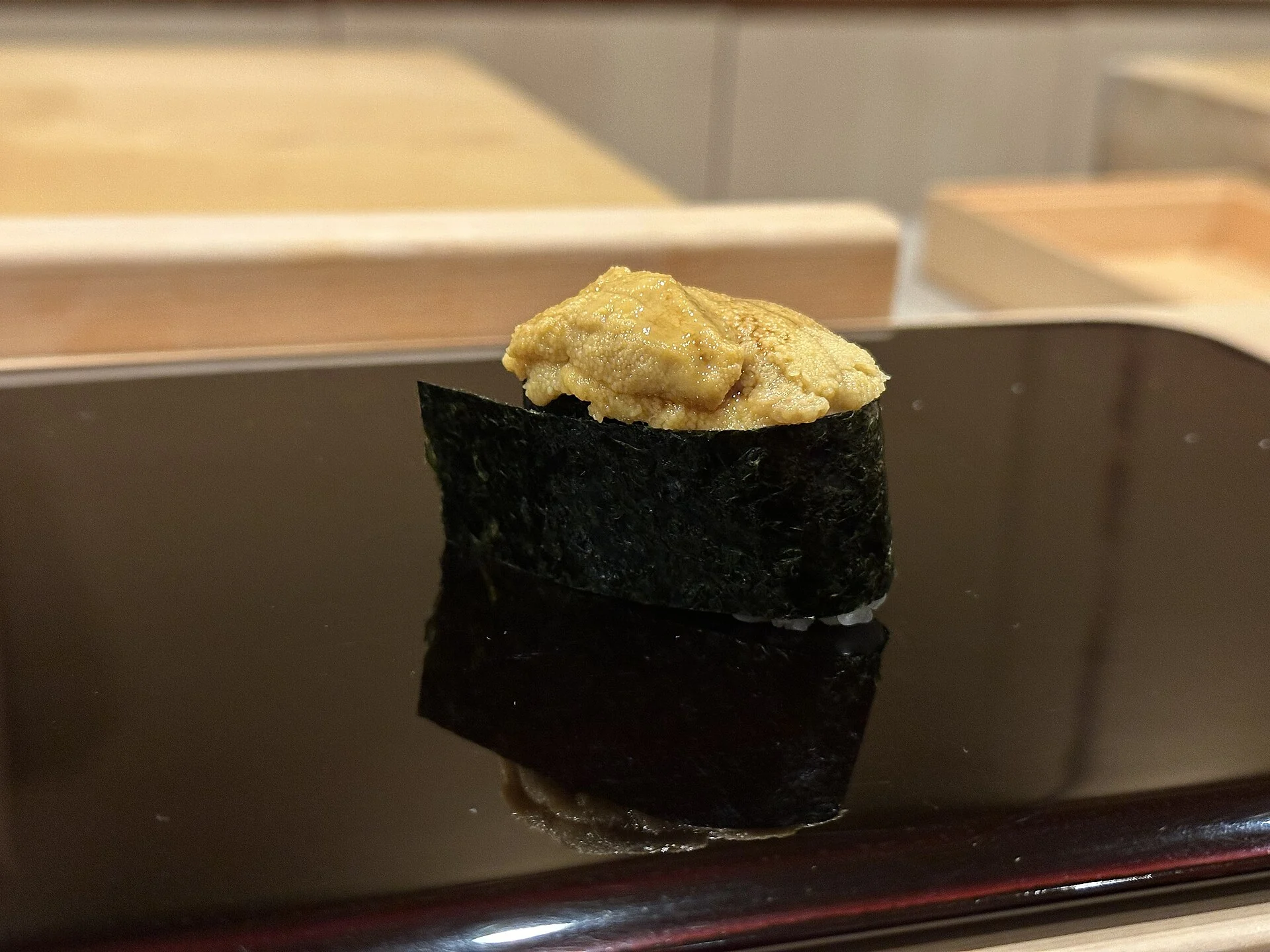
Sushi centres on seasoned rice; sashimi is sliced fish without that rice. Nigiri has a topping over a small shaped portion, maki is rolled, and gunkan uses a band of seaweed to hold a topping. The JNTO sushi guide gives a useful introduction to these forms, including chirashi and inari.
Tokyo’s Edomae tradition also includes preparation: curing, marinating, simmering and carefully balancing fish with rice. The value of a counter meal is not simply how much expensive tuna arrives. Rice temperature, seasoning, pacing and the range of preparations help explain why two courses with similar-looking pieces can be different experiences.
Use your own priorities to make a shortlist
Write down your maximum total spend per person, whether you eat raw seafood, your comfortable meal length and the area you will already be visiting. Then choose one primary restaurant and one workable alternative. A realistic nearby alternative is more useful than five famous names spread across the city.
For a first visit, a set can make the cost easier to understand; a casual order can make it easier to avoid ingredients you simply dislike. For a severe dietary restriction, resolve the restaurant’s ability to accommodate you before choosing either format.
02 · CASUAL AND FLEXIBLE
Best conveyor belt sushi in Tokyo: compare three useful areas
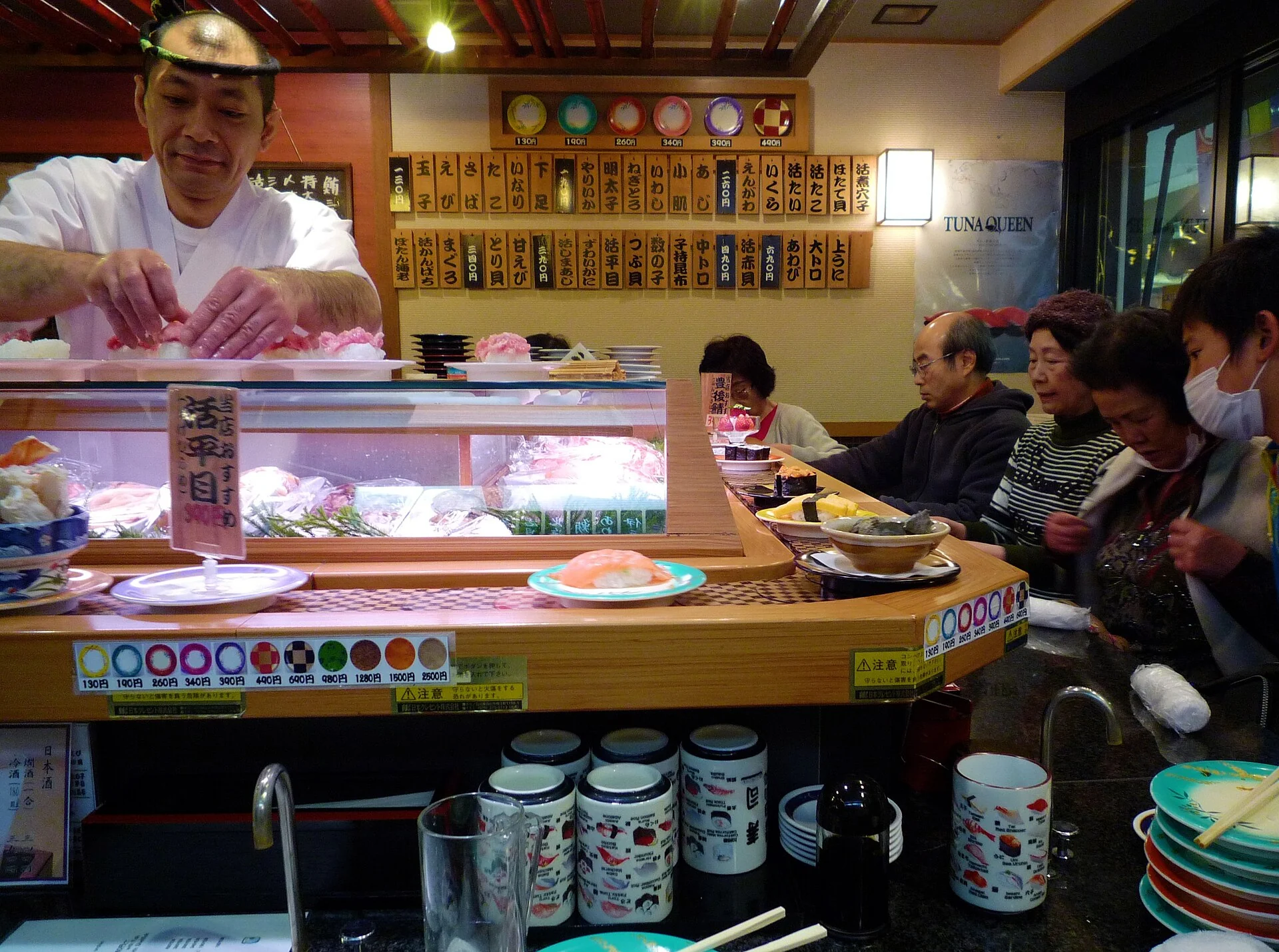
“Conveyor belt sushi” can mean an open rotating belt, a made-to-order delivery lane, or a mix of ordering methods. If the moving belt itself is part of your wish list, check the current branch arrangement. Do not judge today’s setup from a photograph taken a decade ago.
At any of these restaurants, a low starting plate price is not the price of a complete meal. Read whether an order contains one piece or two, distinguish premium plates and side dishes, and keep track of drinks and any optional extras. Order a little at first; adding more is easier than discovering you ordered twice the quantity you wanted.
Nemuro Hanamaru KITTE: a Tokyo Station option with a queue
Nemuro Hanamaru’s KITTE Marunouchi branch is on the fifth floor of JP Tower at 2-7-2 Marunouchi. Its current hours are 11:00–22:00, last order 21:30. The branch does not accept seat reservations; when full, use the ticket machine. Entry to that floor begins at 11:00, so the operator asks visitors not to queue at the shop before then.
Queue admission can close before service ends. Keep the whole party ready for seating, and follow the ticket’s return instructions. The branch lists counter and booth seating, with booths for up to four; larger parties should not assume one shared table. If you have a train to catch, choose a meal with a firm finish time instead of relying on an unknown wait.
Kura Sushi Asakusa ROX: pair sushi with an Asakusa outing
Kura Sushi’s Asakusa ROX flagship is on ROX’s fourth floor at 1-25-15 Asakusa. Its branch page lists plates from ¥145, hours of 11:00–23:00 on weekdays and 10:20–23:00 on weekends, with entry ending 30 minutes before closing. It links to app and web seating reservations. Use the exact branch page to check your visit date and reservation instructions.
The same page lists an elevator, wheelchair seating and a multifunction toilet. Check any specific access requirement with the restaurant, rather than assuming that every table is suitable. An afternoon meal here can sit naturally within our Asakusa sightseeing route.
Uobei Shibuya Dogenzaka: check the branch, not an old closing time
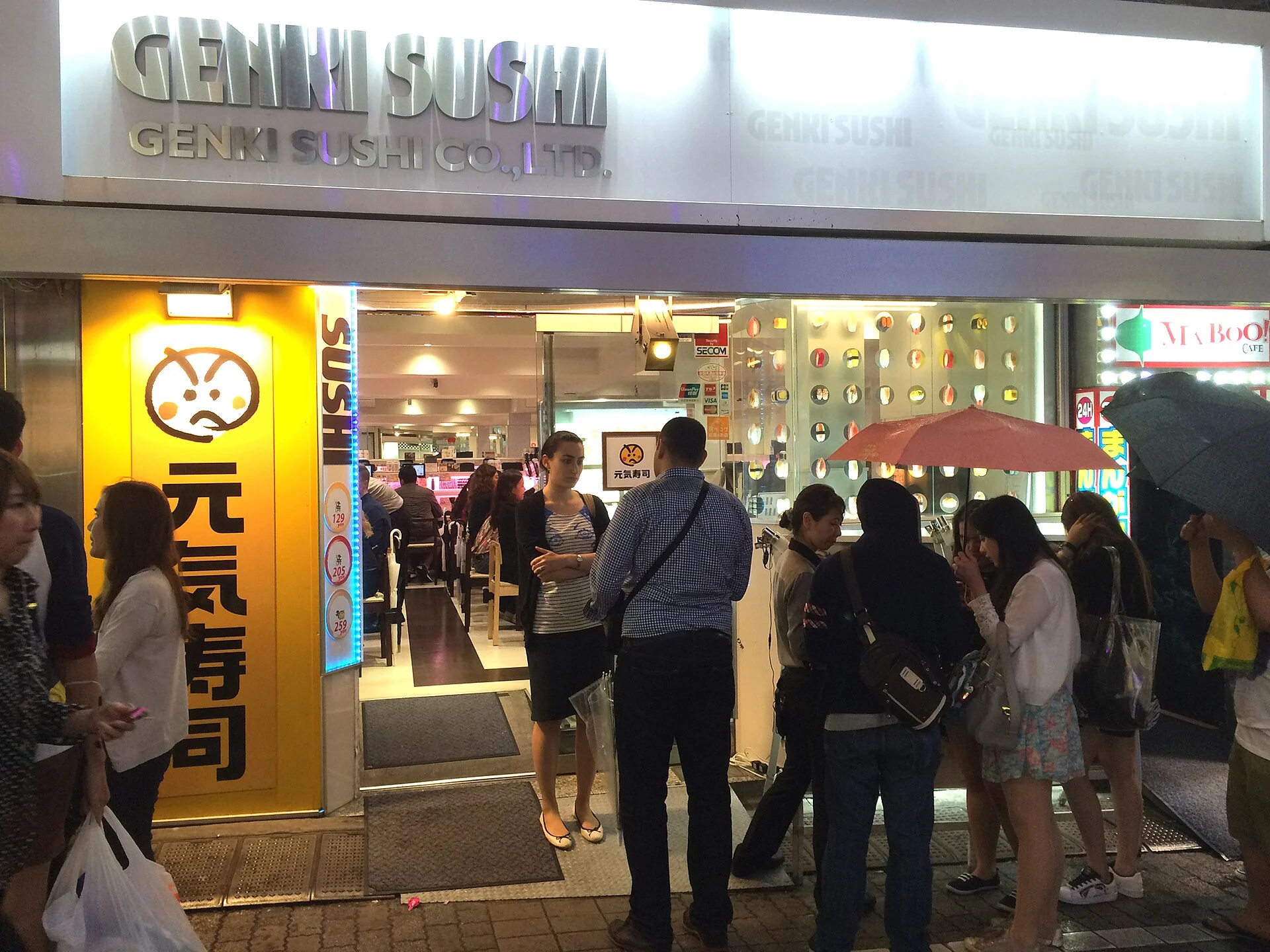
Uobei Shibuya Dogenzaka’s operator listing places it at 2-29-11 Dogenzaka, first floor of the Sixth Central Building. It currently lists 11:00–23:00 on weekdays and 10:30–23:00 on weekends and public holidays, with last orders at 22:30. That differs from midnight closing still found in older material.
The operator’s brand history identifies Shibuya Dogenzaka as its first all-order restaurant without a circulating belt, opened in 2012. That explains the concept; it is not a current menu or equipment guarantee. If the physical setup matters to you, confirm it before travelling. Build the meal into a Shibuya afternoon, rather than crossing Tokyo just for a particular old photograph.
03 · A CLEARER ORDER
Casual sushi sets and standing counters
Sushi no Midori Shibuya: a seated set with a published menu
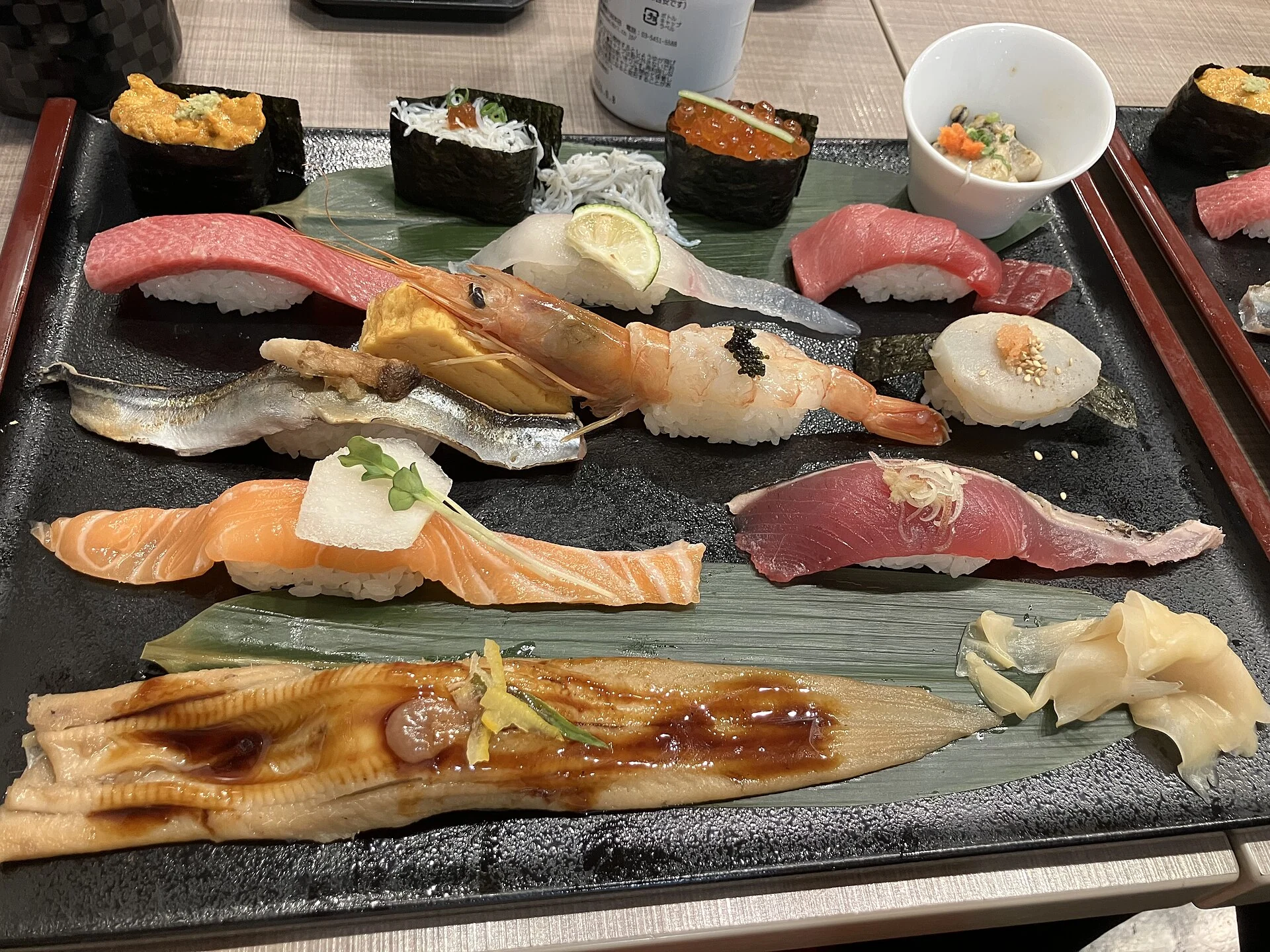
Sushi no Midori Shibuya is on the fourth floor of Mark City East at 1-12-3 Dogenzaka. The current branch page lists continuous service from 11:00–21:00, last order 20:30, following a 1 October change. In-person queue tickets begin at 10:00; ticket distribution can stop early when the remaining wait would extend beyond last orders.
Its separate grand menu lists Jo Nigiri at ¥1,980, Tokujo Nigiri at ¥2,860 and Chotokusen Nigiri at ¥3,630, tax included. It also warns that some branch prices vary. Compare the actual assortment and extras before ordering; the grand menu is a useful starting point, not a promise that every pictured ingredient is available.
A set can suit people who want to see the whole order before eating. If one ingredient is a problem, ask whether a change is possible before buying; do not assume a set is freely customisable. A queue ticket, a limited booking plan and a confirmed reservation can have different conditions. Follow the branch’s current instructions rather than another Midori location’s policy.
Standing sushi: decide whether the setting works for you
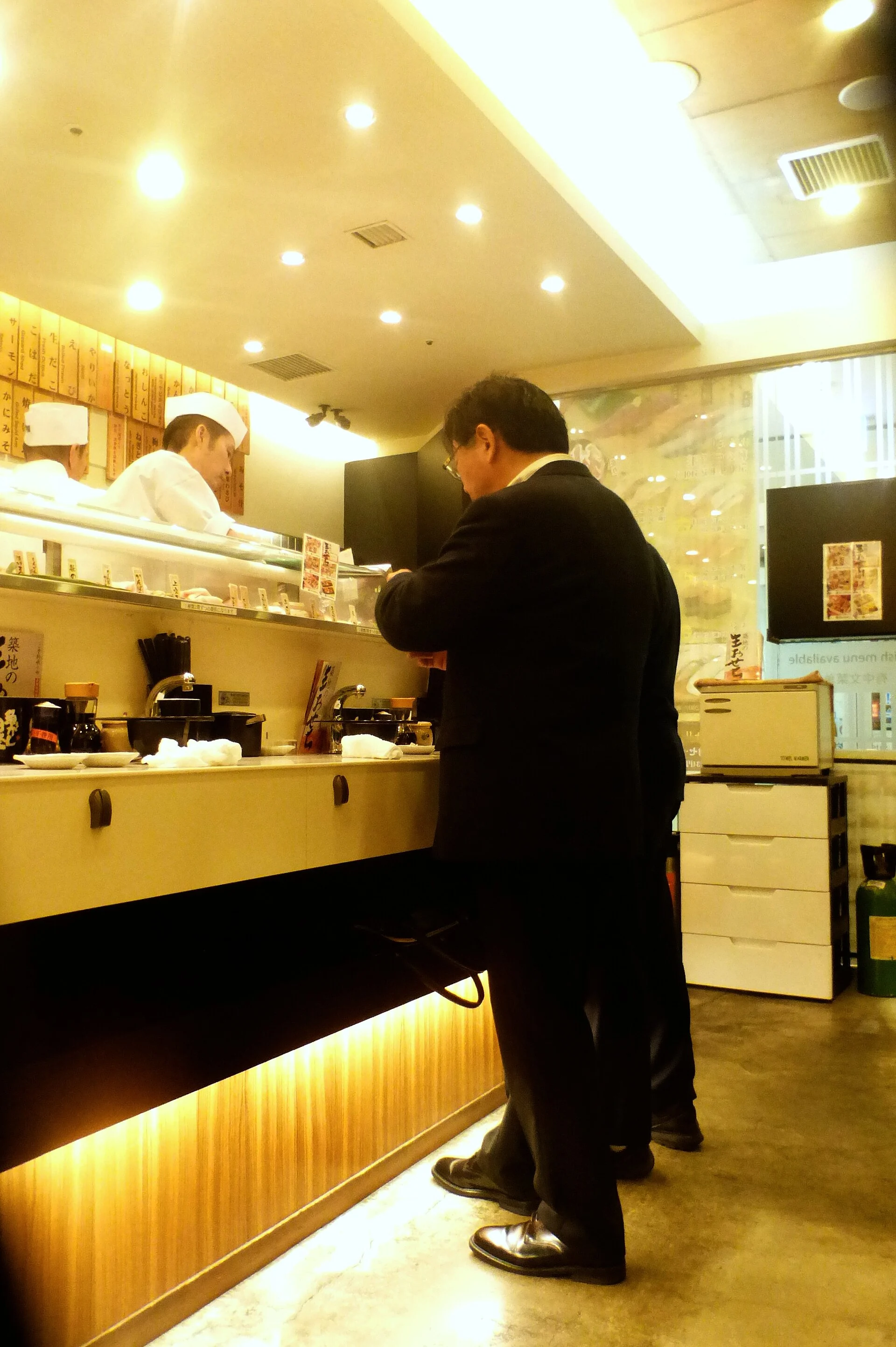
A standing counter can be appealing when you want a few individual pieces without turning lunch into a long event. Check that it really is a standing section, whether there is a minimum order, how prices are displayed and where you should place your belongings. The word “casual” does not automatically mean an empty counter or an immediate seat.
After a long sightseeing walk, a chair may matter more than a famous name. With a stroller, a wheelchair, tired children or a large suitcase, choose a setting that works for the whole group. Do not build the day around a standing-only space simply because it sounds efficient.
04 · LEAVE IT TO THE CHEF
Omakase in Tokyo: what you are actually booking
Omakase means entrusting the selection to the chef. It does not identify one price band, guarantee a particular ingredient or necessarily mean sushi alone: a course may include cooked dishes and small plates as well as nigiri. Read the course description rather than counting photographs on social media.
Before paying, establish the exact restaurant, branch, seating category, course name, party size and start time. If you are booking for a named chef, confirm whether that chef is specified. A seat at a second counter or with another chef may be an excellent meal, but it is a different booking from the one you thought you made.
SUSHI TOKYO TEN Shinjuku: use the linked booking price
SUSHI TOKYO TEN’s website links directly to its Shinjuku booking page at NEWoMan, 5-24-55 Sendagaya. The operator describes alternating small dishes and nigiri. On the current Shinjuku TableCheck page, the weekday 90-minute lunch omakase is ¥5,500 including tax, with listed lunch starts of 11:00, 12:30 and 13:30. The standard omakase is ¥9,900 including tax; other named courses have different inclusions.
Use the specific tax-inclusive booking plan, rather than an older ¥4,500/¥5,000 headline. The page requires card details for the reservation but says payment is made at the restaurant. It also states that same-day cancellations incur the full charge and asks diners to declare allergies. Those are meaningful booking conditions, not just administrative small print. Availability still depends on the date and party.
Ginza Kyubey: distinguish lunch, dinner and private-room charges
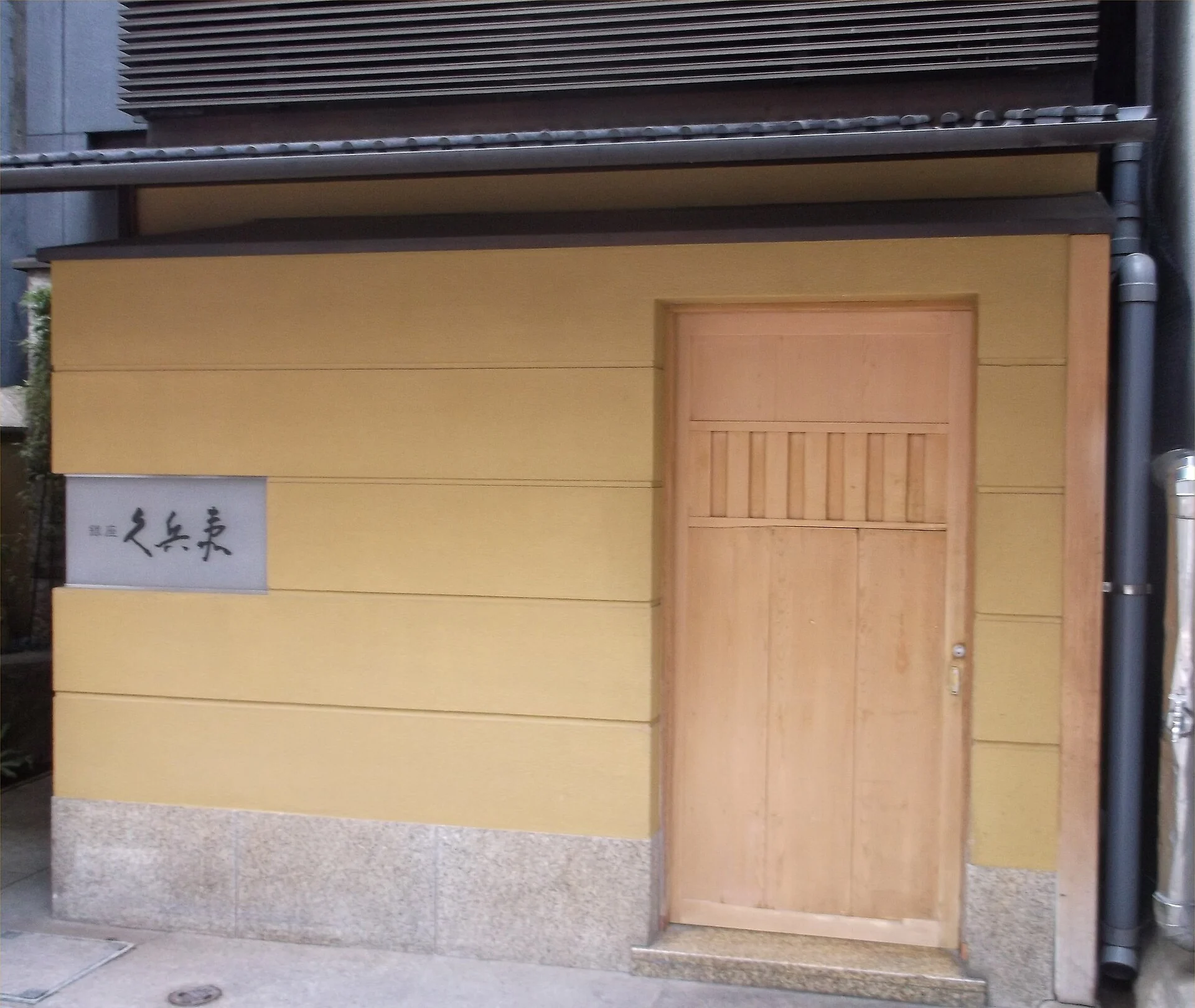
For a more formal occasion, Ginza Kyubey’s main restaurant and annex publishes lunch and dinner menus separately. Oribe lunch is ¥8,250; the Kyubey nigiri menu is ¥16,500, with a 10% service charge added to listed dinner prices. Private rooms have separate conditions and fees. The page lists service at 11:30–14:00 and 17:00–22:00, closed Sundays, Mondays and the year-end/New Year period.
The restaurant directs reservations through a hotel concierge or its linked reservation sites. Read the chosen channel’s terms as well as the restaurant page: its own same-day cancellation charges are ¥5,000 per person for lunch and ¥10,000 for dinner, while a booking provider may have additional conditions. Budget for the complete transaction and confirm the exact Ginza venue.
If the reservation you wanted is unavailable
Change one constraint at a time: consider lunch instead of dinner, another suitable day, or another restaurant with a course that meets your requirements. Do not book two conflicting meals as insurance. Keep a casual alternative for the same neighbourhood, so an unavailable counter does not dictate your entire Tokyo trip.
Neither TokyoVia nor this guide claims access to otherwise unavailable restaurants. A transport enquiry does not reserve a restaurant, specify a chef or remove a cancellation fee. Treat any restaurant arrangement as a separate confirmation.
05 · KNOW THE WHOLE BILL
How much should you budget for sushi in Tokyo?
Use a total-spend ceiling rather than a broad label such as “mid-range”. A flexible casual order and a fixed course can reach the same total for different reasons. At a plate-by-plate restaurant you control quantity; at a course restaurant you need to understand what the starting price leaves out.
| Budget line | What to establish | A useful question |
|---|---|---|
| Food | Exact course or set, number of diners and any extras. | Is this per person, per plate or per piece? |
| Tax | Whether the displayed total already includes consumption tax. | Am I reading the tax-inclusive figure? |
| Service and room charges | Any service percentage, room fee or other stated charge. | Which price does the percentage apply to? |
| Drinks | Included drinks, a pairing, an individual order or any minimum. | Can I choose non-alcoholic drinks, and what do they cost? |
| Booking channel | Reservation fee, prepayment or card guarantee. | Is this a charge now, a deposit or security for cancellation? |
| Changes and cancellation | Deadlines, local time, no-show and party-size rules. | What happens if one guest cannot attend? |
| Transport | A separate journey budget if needed. | How much time and money does the whole evening require? |
A simple spending worksheet
For a casual meal, imagine a personal ceiling of ¥4,000. You could reserve ¥1,000 of that for drinks, soup or another side, leaving ¥3,000 for plates. These are editorial budget envelopes, not prices quoted by a restaurant. Use the real menu to decide how many of your preferred items fit. A premium single piece may use much more of the allowance than a basic plate.
For a reserved course, start with its confirmed tax-inclusive food price, add the actual applicable service or room charge, then add your chosen drinks and any booking fee. Do not add tax twice or treat a card guarantee as proof that the meal has already been paid. Keep the final confirmation and cancellation terms somewhere you can access during the trip.
Lunch can be a different product
A lower lunch price may buy fewer pieces, a shorter seating, different dishes or a different counter. Compare what is included instead of assuming that lunch is the identical dinner at a discount. If your aim is a relaxed afternoon with children, a shorter set may be more useful than the longest course available.
06 · FEEL COMFORTABLE AT THE TABLE
How to order sushi, with preferences and dietary needs
At a screen, with a menu or at a counter
Use the pictured item and its exact name when ordering. Check the quantity before tapping twice. At a counter, a named set can remove uncertainty about the total; for individual pieces, confirm the price if it is not clear. Say whether you want wasabi omitted before preparation begins.
The official GO TOKYO Edomae dining guide explains that sushi can be eaten with fingers, that a piece is intended as a complete bite, and that some pieces are already seasoned. Follow the chef’s guidance before adding soy sauce. Where sauce is appropriate, touch the topping lightly rather than soaking the rice. Ginger is useful between pieces rather than as an extra topping.
You do not need to turn lunch into a performance of elaborate rules. Be attentive, eat at a comfortable pace and ask when unsure. If you would like a photograph, ask first and avoid flash or keeping a freshly served piece waiting while arranging a long video.
Cooked food, vegetarian choices and allergies
Raw seafood is not a requirement for enjoying every kind of sushi. Egg, cucumber rolls or cooked toppings may be possibilities when the actual menu offers them. However, a dish that looks vegetarian may contain fish stock, and a cooked topping does not establish that the preparation is suitable for a particular allergy or dietary rule.
Write your restrictions clearly before reserving: the ingredient, whether it is an allergy or preference, and whether cross-contact matters. Ask for a clear answer from the restaurant. Do not assume “no shellfish” means the same as “no seafood”, or that an omakase kitchen can replace most of its course on arrival. This guide does not certify a restaurant as allergy-safe, vegan or halal.
For a mixed group, a flexible restaurant can be more workable than a fixed course, but only after you check its menu. If sushi does not meet everyone’s requirements, let part of the group choose another nearby meal or plan a different shared restaurant. Our ramen guide offers another set of decisions, with its own ingredient checks.
Children, access and luggage
Include every child in the booking and give ages when asked. Confirm minimum age, course requirements, seating duration and whether a stroller can remain beside the seat. Do not book a child as a non-diner unless the restaurant explicitly permits that arrangement.
Ask about steps, elevators, accessible seating and toilets when these affect your group. Store large bags before a compact counter meal where possible. A nearby car does not establish that a restaurant has step-free access or space for luggage.
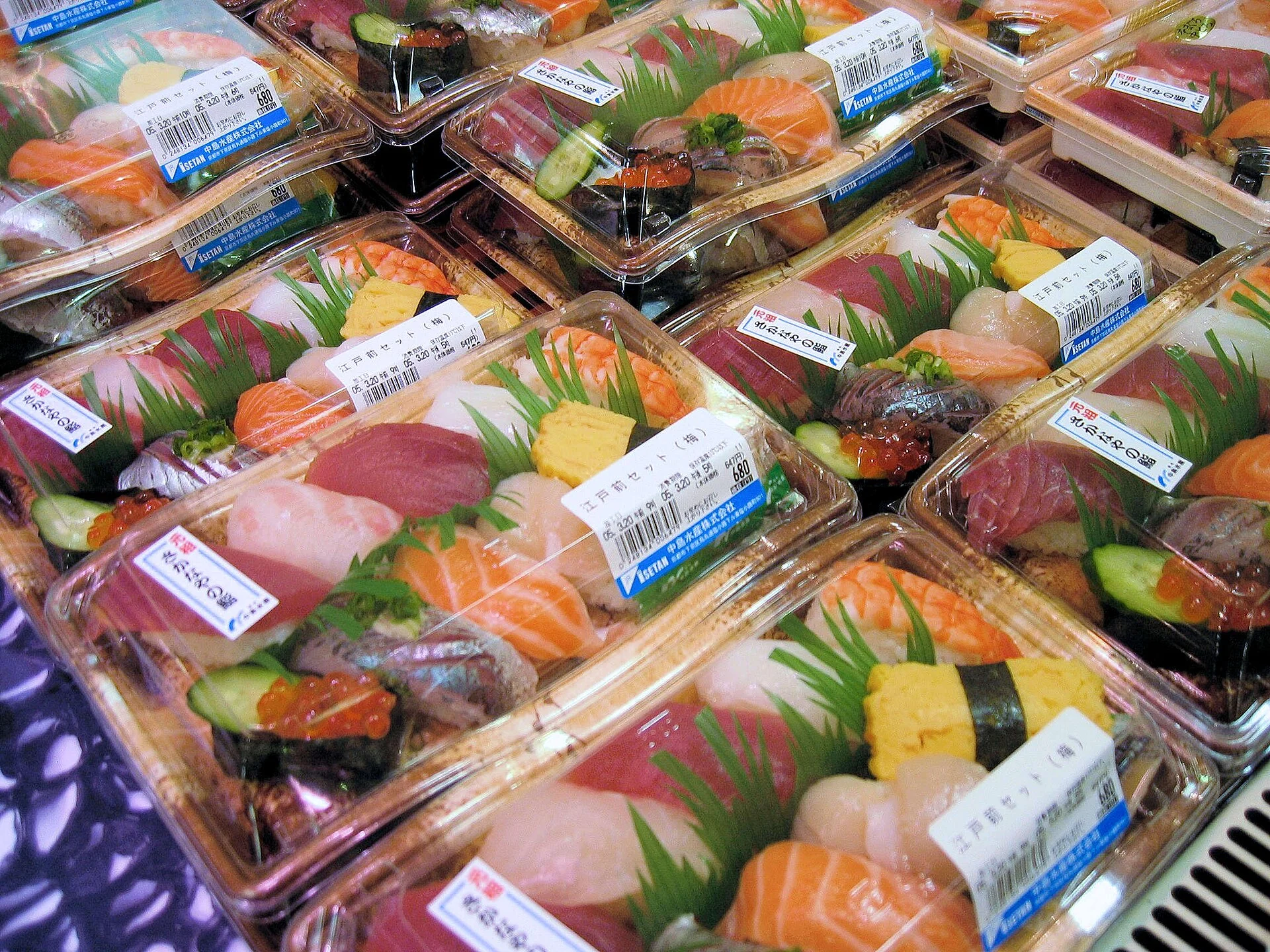
Takeaway is its own plan
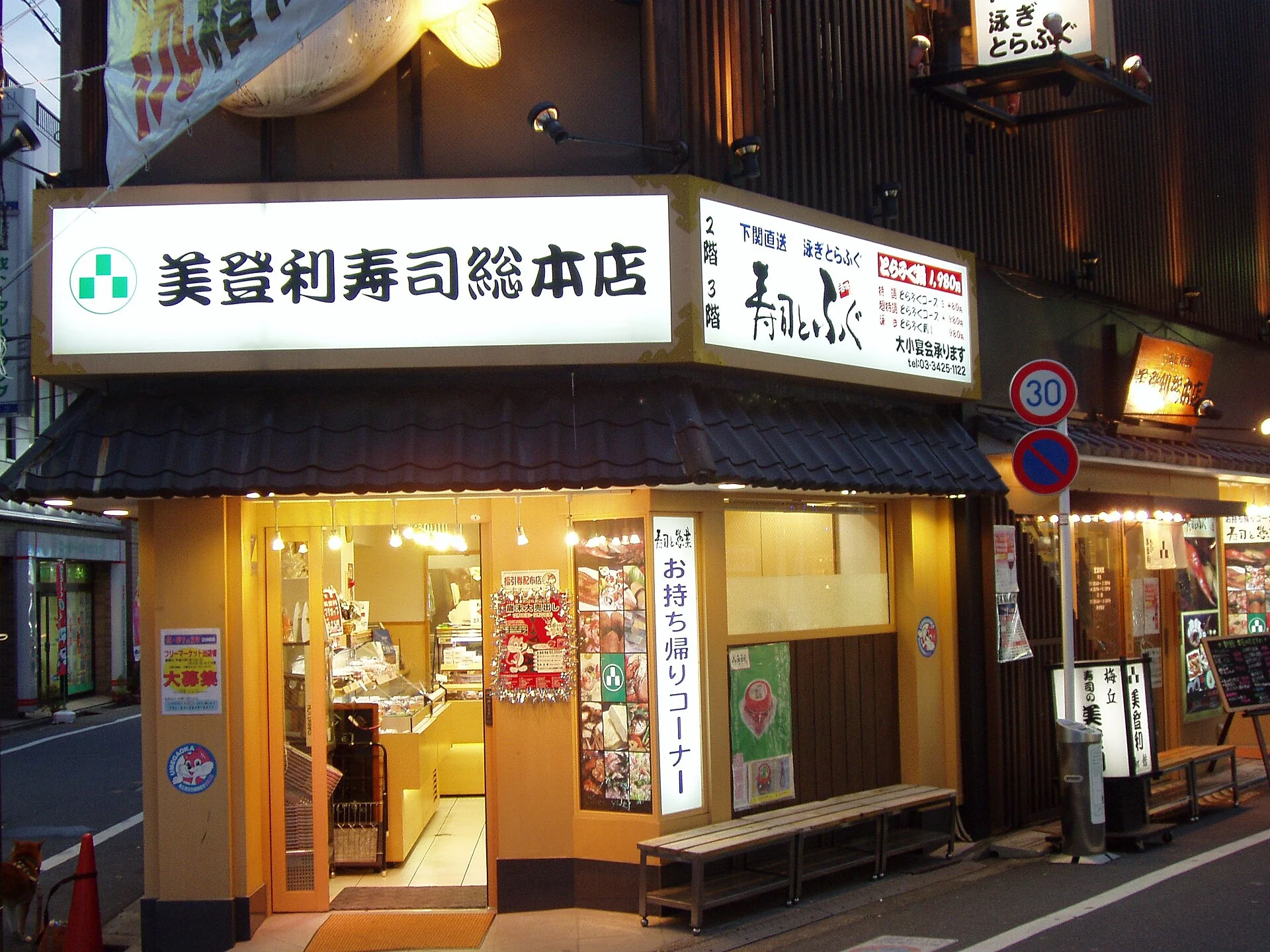
A takeaway assortment can be useful when you want a quieter meal at your accommodation. Choose what you want from the current display, follow the package’s storage and consumption instructions, and check whether your accommodation permits dining in the place you intend to use. A historical photograph of a supermarket tray is not a current price or food-storage instruction.
07 · ONE MEAL, A GOOD TOKYO DAY
Three Tokyo hotel-start itineraries with a sushi stop
These are editorial model routes, with flexible activity blocks rather than measured journey times or confirmed reservations. Begin at your actual Tokyo hotel, check the date and choose your transport before fixing the meal. Keep a queue-based lunch flexible; anchor a reserved course first, then fit sightseeing around it.
Model A: Tokyo Station and Marunouchi, with a flexible lunch
| Suggested block | Your plan | Decision point |
|---|---|---|
| 09:30–10:15 | Leave your Tokyo hotel and travel to the Marunouchi side of Tokyo Station. | Adjust for your hotel, chosen transport and walking range. |
| 10:15–11:00 | Enjoy the station exterior and a short Marunouchi walk. | Keep the morning close by; do not assume access to KITTE’s restaurant floor before 11:00. |
| 11:00–12:30 | Consider Hanamaru if the queue and current menu suit you. | This is a flexible wait-and-meal block, not a guaranteed seating slot. |
| 12:30–14:00 | Continue around Marunouchi or travel onward toward Ginza. | If lunch runs long, shorten browsing rather than rushing a booked afternoon. |
| 14:00 onward | Return to your hotel or continue with one chosen activity. | Use a separately confirmed restaurant if you need a guaranteed meal start. |
Model B: Asakusa and a casual sushi lunch
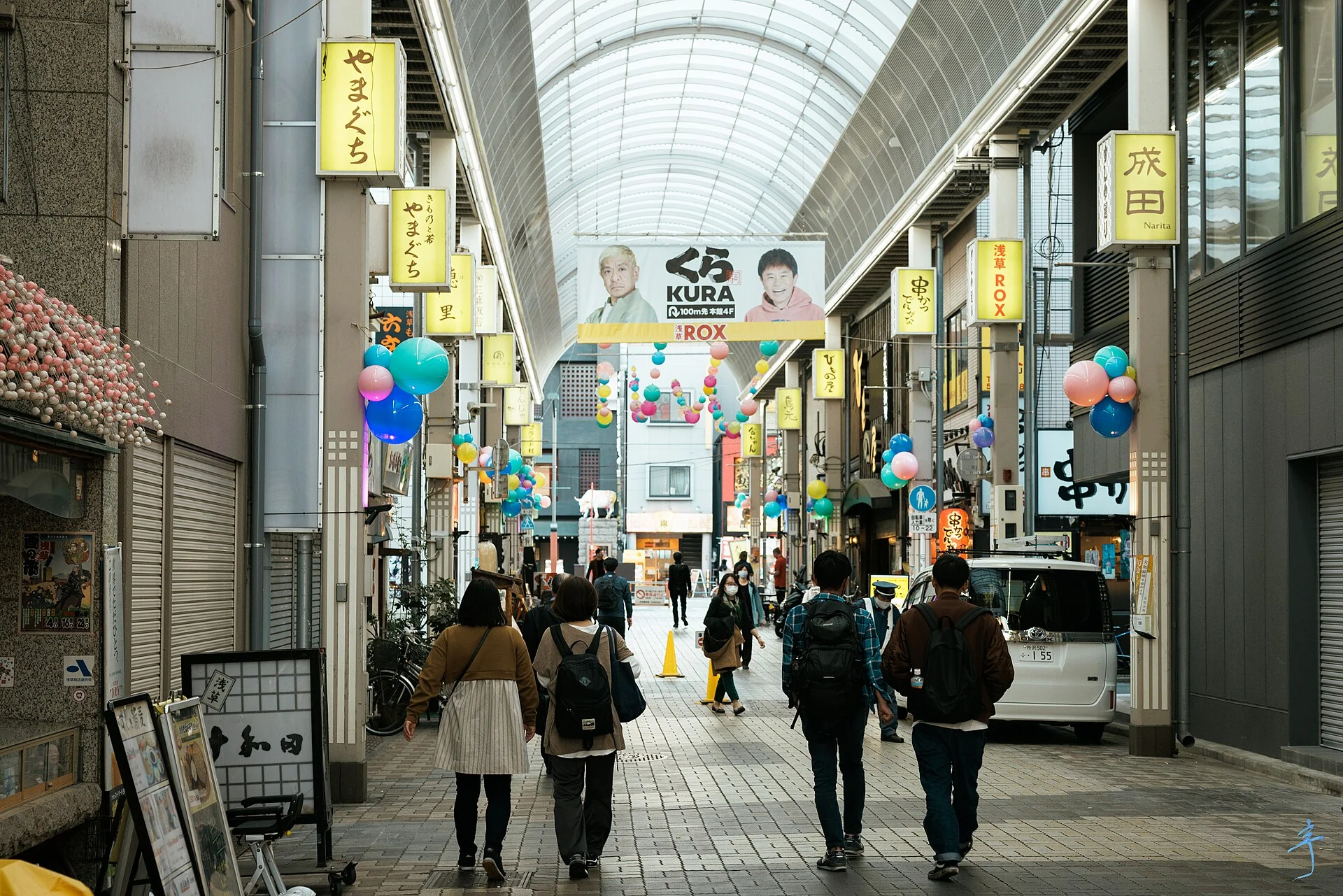
Start at your Tokyo hotel around 09:00 and travel to Asakusa. Use the morning for Senso-ji and nearby streets, then consider Kura Sushi Asakusa ROX for lunch if its menu suits the group. Leave room for a queue or a properly confirmed seating arrangement. Spend the afternoon near the Sumida River, or use our tower and Skytree comparison to choose one separately planned view.
If you prefer a food-market visit, the Tsukiji Outer Market guide explains a different morning. Do not combine a large market breakfast, a full sushi lunch and an omakase dinner simply to complete a list. Spreading those meals across separate days leaves more appetite and time for each.
Model C: Shinjuku afternoon and a reserved omakase
For an evening course, leave your Tokyo hotel after lunch and keep your afternoon within a manageable part of Shinjuku. Use our Shinjuku guide to choose a walk or shopping area. Plan to reach the correct restaurant entrance before the confirmed start, without treating the last few minutes as a transfer allowance.
If you choose TOKYO TEN, match the NEWoMan Shinjuku address carefully: its Sendagaya address is in Shibuya-ku, but it is a Shinjuku Station plan, not a Shibuya Station plan. For a Ginza Kyubey reservation, rebuild the afternoon around Ginza instead of rushing across the city. Leave time after the course before any separate ticketed event.
When a private driver may help
A meal within one neighbourhood often works naturally with walking and public transport. A private car is worth discussing when your wider day combines distant areas, luggage or a shorter comfortable walking range. It does not bypass a restaurant queue, create a reservation or automatically include an accompanying food guide.
If the rest of your trip includes a Mount Fuji day trip, Nikko outing or Kamakura visit, give that journey its own time. A road trip and a strict Tokyo dinner start need enough margin for the actual route and traffic.
08 · BEFORE YOU RESERVE
Tokyo sushi questions, answered
Do I need to book sushi in Tokyo?
Not every meal requires a reservation. Hanamaru KITTE uses a queue and does not accept seat reservations; other restaurants offer particular booking plans. For a course meal, use the exact branch’s official reservation link and wait for a confirmation. Being listed on a review site does not establish that a restaurant is reservable.
Is omakase always expensive?
No single price defines it. Omakase describes who chooses the meal. Compare the named course, tax-inclusive price, seating duration, drinks and fees. TOKYO TEN’s listed weekday lunch is a different proposition from a longer formal dinner, even though both may be described as chef-selected dining.
Which is the best conveyor belt sushi in Tokyo for families?
Choose by the actual seating, menu and queue system. Kura Asakusa ROX publishes access information; Hanamaru KITTE describes counter and booth options. Confirm the arrangement for your ages and party size. A popular name cannot guarantee that everyone will sit together.
Can I eat sushi if I do not like raw fish?
Possibly, if the restaurant’s real menu offers enough cooked or non-seafood choices that meet your requirements. A fixed omakase may be less flexible than ordering individual dishes. Confirm ingredients and substitutions before booking, and choose another meal if the answer is unclear.
Is sushi in Tsukiji the same as a Toyosu market visit?
No. They are different places and experiences. This guide’s historical Tsukiji market photograph illustrates food, not a current restaurant location. Use our linked Tsukiji guide to understand the Outer Market, and verify the present address of any named restaurant before travelling.
Can TokyoVia book a famous sushi counter for me?
A transport enquiry does not confirm a restaurant booking. Share any confirmed reservation and the rest of your day so we can discuss the journey. If you need restaurant or guiding assistance, ask explicitly; availability, scope and fees must be confirmed separately.
Official sources and editorial notes
Checked 27 October 2026. Restaurant information changes; reconfirm the exact branch, menu, date and booking terms. The shortlist groups options by meal type rather than asserting an objective quality ranking. Budget envelopes, comparisons and model routes are TokyoVia editorial planning, not restaurant quotations, measured waits or reports of personal visits.
- JNTO: sushi forms, seasoned rice, sashimi and vegetarian examples
- GO TOKYO Gourmet: Edomae dining and counter etiquette
- Nemuro Hanamaru: KITTE branch, hours, queue rules and seating
- Kura Sushi: Asakusa ROX hours, starting plate price and access information
- Genki Global Dining Concepts: current Uobei Shibuya Dogenzaka branch hours
- Genki Global Dining Concepts: official history of the made-to-order, non-circulating-belt concept
- Sushi no Midori: Shibuya branch, October service change, queue and payment information
- Sushi no Midori: tax-inclusive sets, ingredients and branch-price caveat
- SUSHI TOKYO TEN: concept, branch address and official reservation link
- TOKYO TEN Shinjuku: current tax-inclusive courses, seating duration, payment and cancellation conditions
- Ginza Kyubey: separate lunch/dinner menus, service charge, hours and cancellation conditions
Images show real food and settings at their source dates; they are not a current menu or a TokyoVia restaurant visit. Older branch photographs are historical illustrations. Photo provenance and rights records are retained separately.