A great ramen stop starts with the bowl you want, in a neighbourhood you actually have time to enjoy.
THE QUICK ANSWER
The best ramen in Tokyo for your trip depends on your preferred soup, your sightseeing area and how much time you want to spend arranging a meal. Start with clear shoyu or citrus-led shio if that sounds appealing; choose miso, tonkotsu, niboshi or dipping noodles when you want a different direction. For practical starting points, compare Fuunji and Nagi in Shinjuku, AFURI, Shinbu Sakiya and Ichiran around Shibuya, Rokurinsha at Tokyo Station, and Yoroiya in Asakusa. These are choices for different meals, not a numbered quality ranking.
Official information checked 26 October 2026. This planning guide draws on the operator and tourism-authority sources listed below. Branch hours, recipes, prices and booking rules can change.
01 · START WITH YOUR TASTE
Find the ramen style you enjoy
Before saving ten famous shops, decide what you want from one meal. A clear, aromatic soup and a dense pork-bone soup can both be excellent, while satisfying very different appetites. If you dislike a strong fish flavour, an enthusiastic recommendation for niboshi ramen may be the wrong recommendation for you.
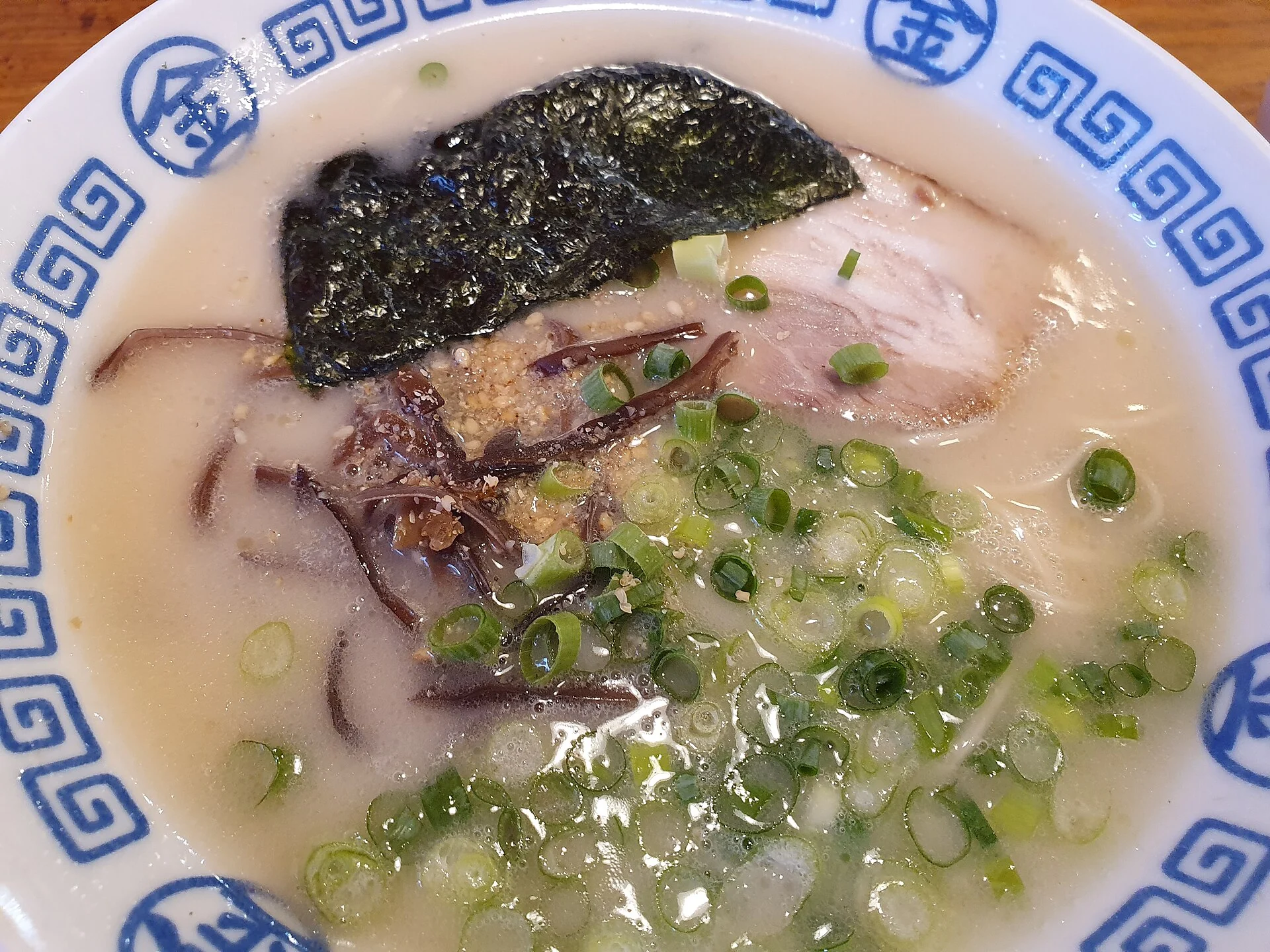
It helps to separate the seasoning from the stock. Shoyu, shio and miso describe seasoning families; tonkotsu describes pork-bone stock. They are not four mutually exclusive ingredient lists. The Japan National Tourism Organization’s ramen guide explains that distinction. For your first order, use the menu’s actual bowl name instead of trying to reconstruct a recipe from the soup’s colour.
| Look for | The main distinction | Choose it when |
|---|---|---|
| Shoyu · 醤油 | Soy-sauce seasoning; the stock can vary. | You want to start with a classic seasoning family and compare the shop’s specific broth. |
| Shio · 塩 | Salt-led seasoning, often presented as a clear soup. | A clear, aromatic bowl appeals more than a heavy-looking one. |
| Miso · 味噌 | Miso-seasoned soup; richness and spice depend on the recipe. | You want a substantial savoury direction; check whether the pictured bowl is spicy. |
| Tonkotsu · 豚骨 | Pork-bone stock, often cloudy and creamy. | Pork-based soup is the experience you are seeking. |
| Niboshi · 煮干し | A dried-fish-led flavour direction. | You actively enjoy fish intensity rather than merely tolerating it. |
| Tsukemen · つけ麺 | Noodles and dipping soup served separately. | You want to focus on the noodles and control how much you dip at each bite. |
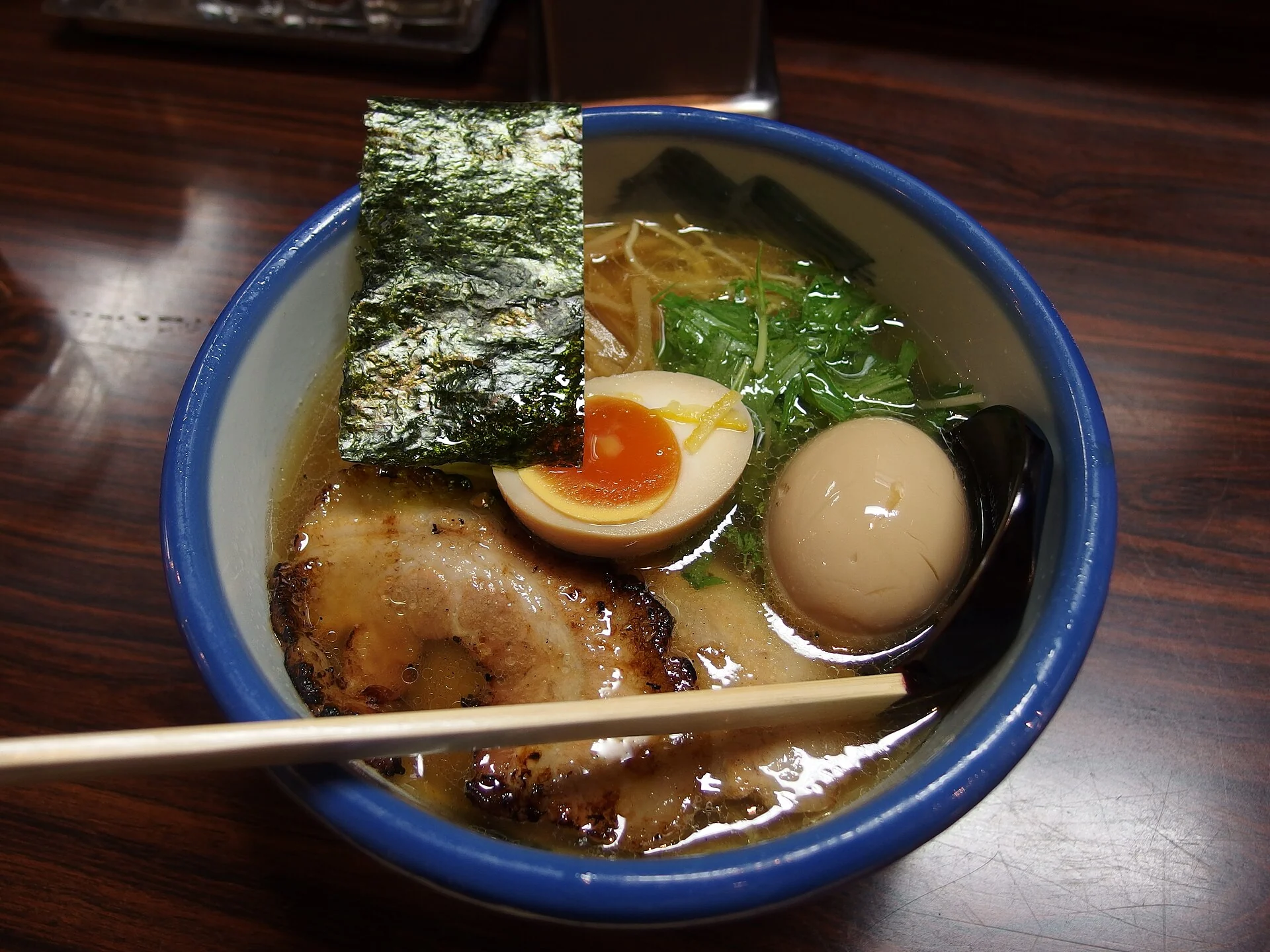
Clear soup, creamy soup and the ingredients you cannot see
A clear soup does not establish that a dish is vegetarian, halal or free of an ingredient you need to avoid. A vegetable garnish does not identify the stock. Conversely, a rich-looking bowl may use chicken rather than pork. Fuunji describes a chicken-and-seafood soup; AFURI’s standard yuzu shio menu also identifies chicken and dashi. Read those descriptions before choosing by appearance.
If your group has different tastes, choose an area with several workable alternatives rather than promising everyone the same famous bowl. Decide which requirements are essential and which preferences are flexible. That small conversation is often more useful than another hour spent comparing ratings.
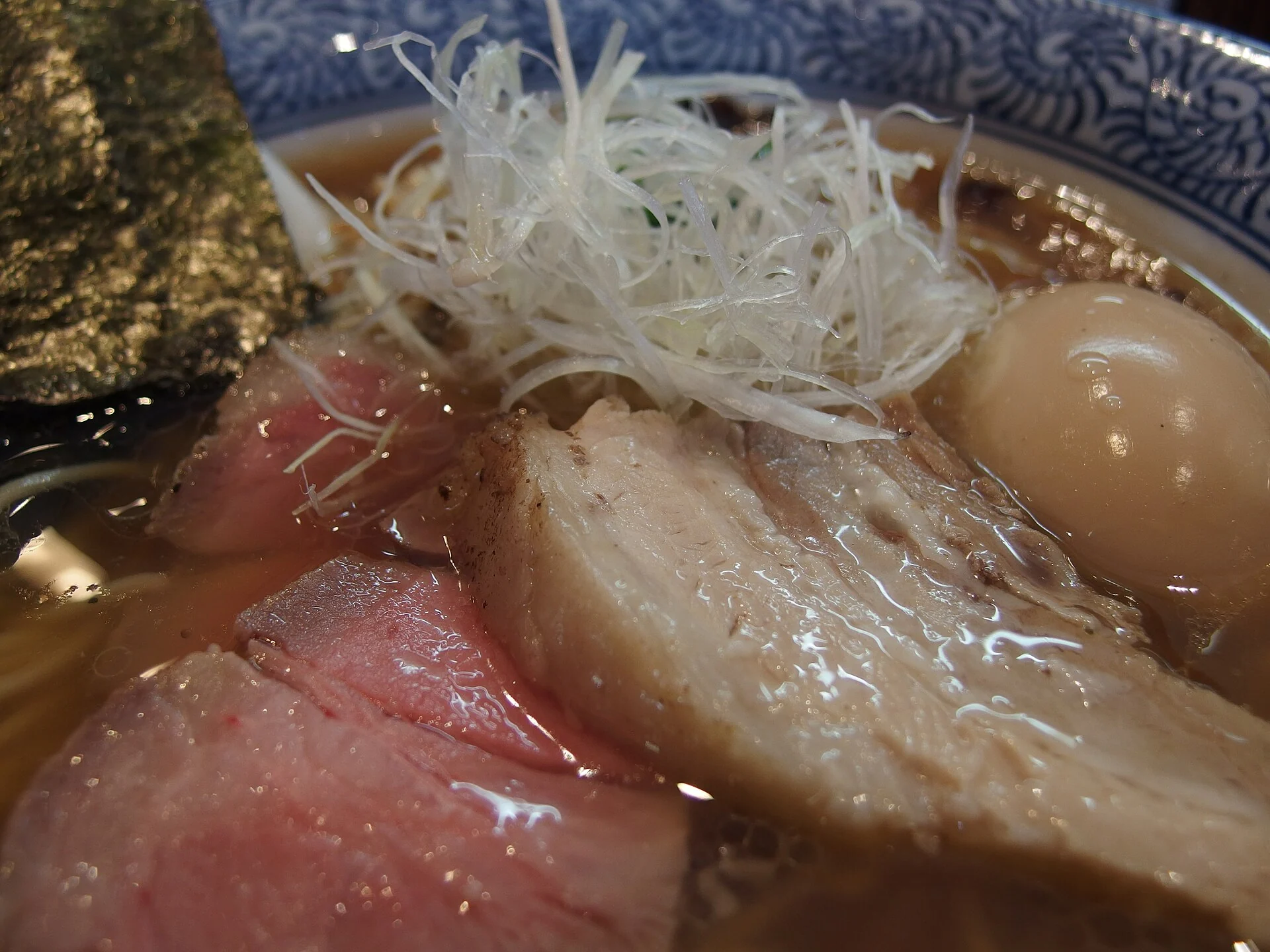
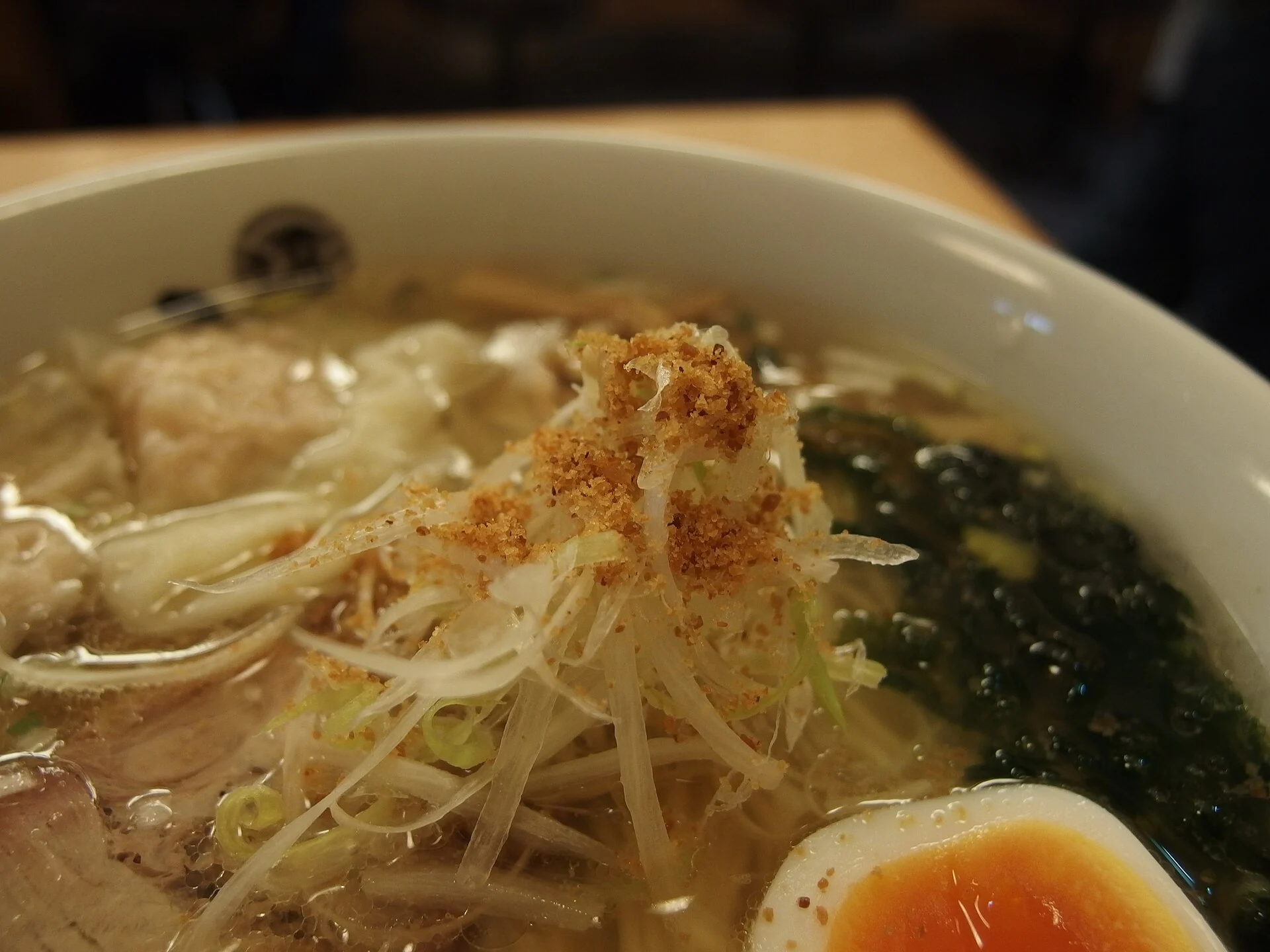
Tsukemen is a different way to eat noodles
With dipping noodles, lift a manageable portion into the separate soup bowl and eat it. Do not pour the whole dipping soup over the noodles unless the restaurant specifically suggests it. Ask whether a soup dilution is available at the end rather than treating a concentrated dipping soup as an ordinary drinking broth.
Choose your noodle amount carefully. An option for more noodles is not automatically the better order, especially if you have another meal planned. If the menu gives a weight, ask whether that is before or after cooking when the distinction matters to you. This guide does not assume that every shop offers the same portion sizes.
02 · WEST TOKYO
Best ramen in Shinjuku: choose the right side of the station
Shinjuku is a large area, not one compact restaurant street. Choose lunch near the part of the district you will visit. A shop south of the station and a shop in Golden Gai are separate decisions; crossing the district twice for the sake of two bowls can crowd out the rest of your day.
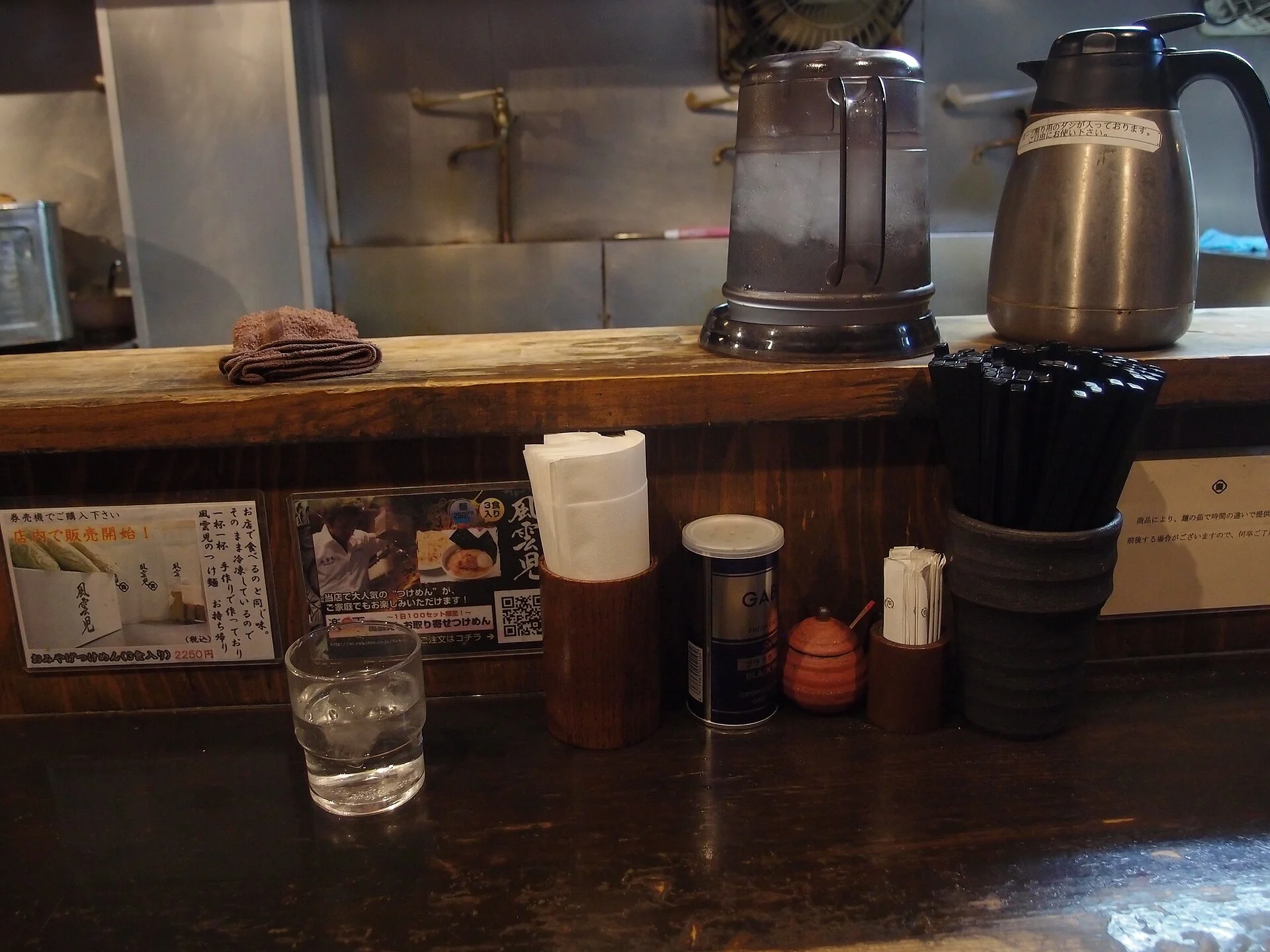
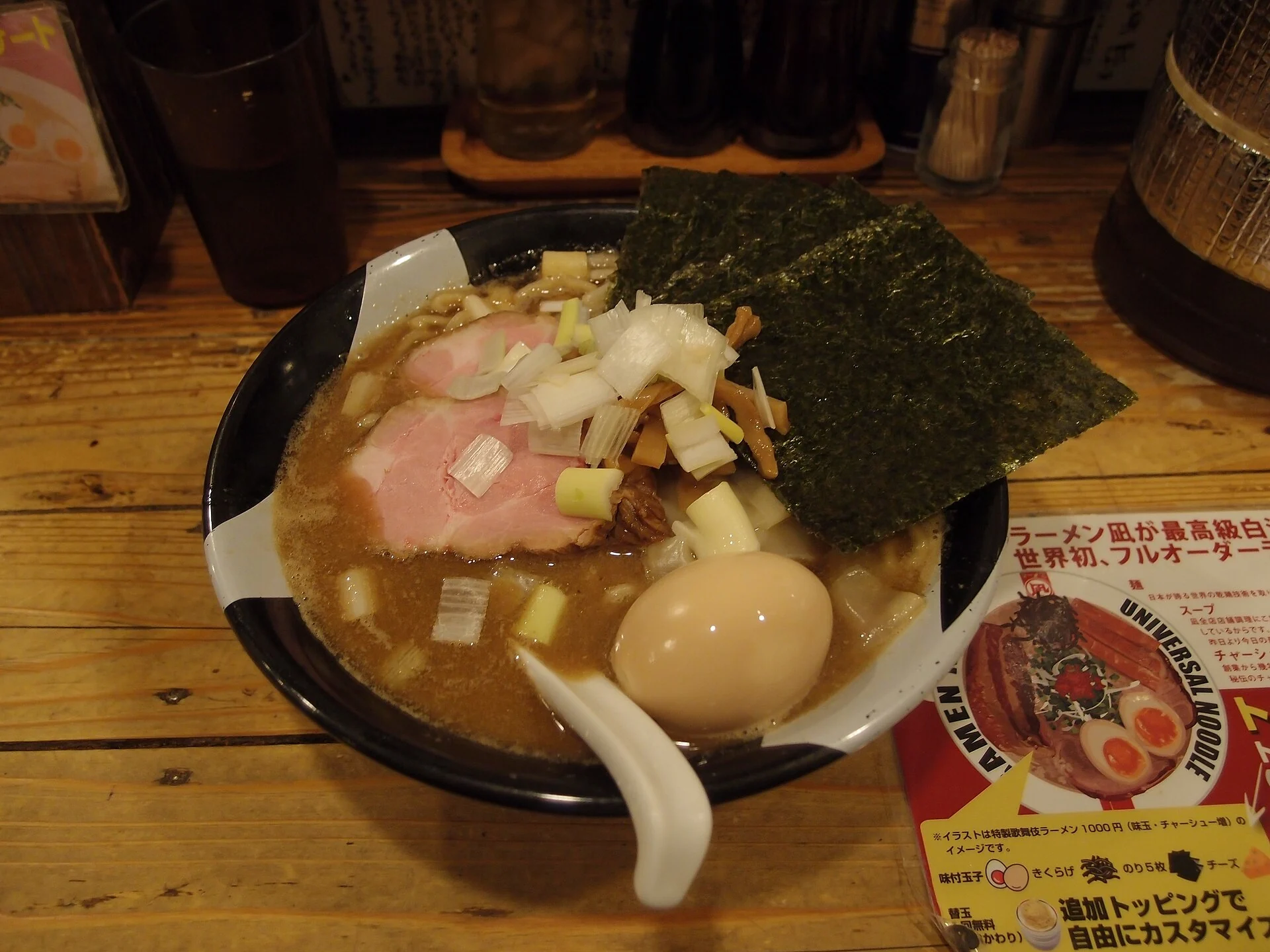
Fuunji: chicken-and-seafood tsukemen by the south side
Consider Fuunji’s Shinjuku main shop if dipping noodles are your priority. The operator describes a chicken-and-seafood soup and lists the main branch at 2-14-3 Yoyogi, a five-minute walk from JR Shinjuku’s south exit. Although the postal address is in Shibuya-ku, this is a Shinjuku Station meal, not a Shibuya Station meal.
Its two service windows are 11:00–15:00 and 17:00–21:00, with early closing if soup sells out; the operator says reservations are not accepted. That makes it a better fit for a flexible lunch than a tightly timed meal before a performance. Keep an alternative nearby and do not treat the published closing time as an invitation to join a queue at the last moment.
Nagi Golden Gai: an option for people who want niboshi
Sugoi Niboshi Ramen Nagi’s Golden Gai Honkan suits a different aim: a dried-fish-led bowl in the Kabukicho/Golden Gai area. Match the branch name rather than searching only for “Nagi”. The operator lists it at 1-1-10 Kabukicho, second floor, with ten counter seats and 24-hour opening.
A small second-floor counter is worth thinking about if your party needs step-free access or wants to sit together. Ask about access and seating before committing; do not infer accessibility from an opening-hours listing. If pronounced fish flavour is not what you want, choose another style without treating that as a failure to appreciate ramen.
A practical Shinjuku choice
Choose Fuunji when noodles and a south-side lunch are the plan. Choose Nagi when fish intensity and an evening around Golden Gai are the plan. Neither needs to replace the other on a universal “best” list. Our Shinjuku sightseeing guide can help you keep the meal on the same side of the district as your other stops.
03 · CITRUS, MISO OR PORK BONE?
Best ramen in Shibuya: compare the bowl before the queue
“Shibuya” can mean the station area or the much larger ward, which also includes Ebisu and Harajuku. Check the exact branch before navigating. The restaurant you saved from a photograph may be a different location from the one nearest the crossing.
AFURI: citrus-led shio, with a cashless check
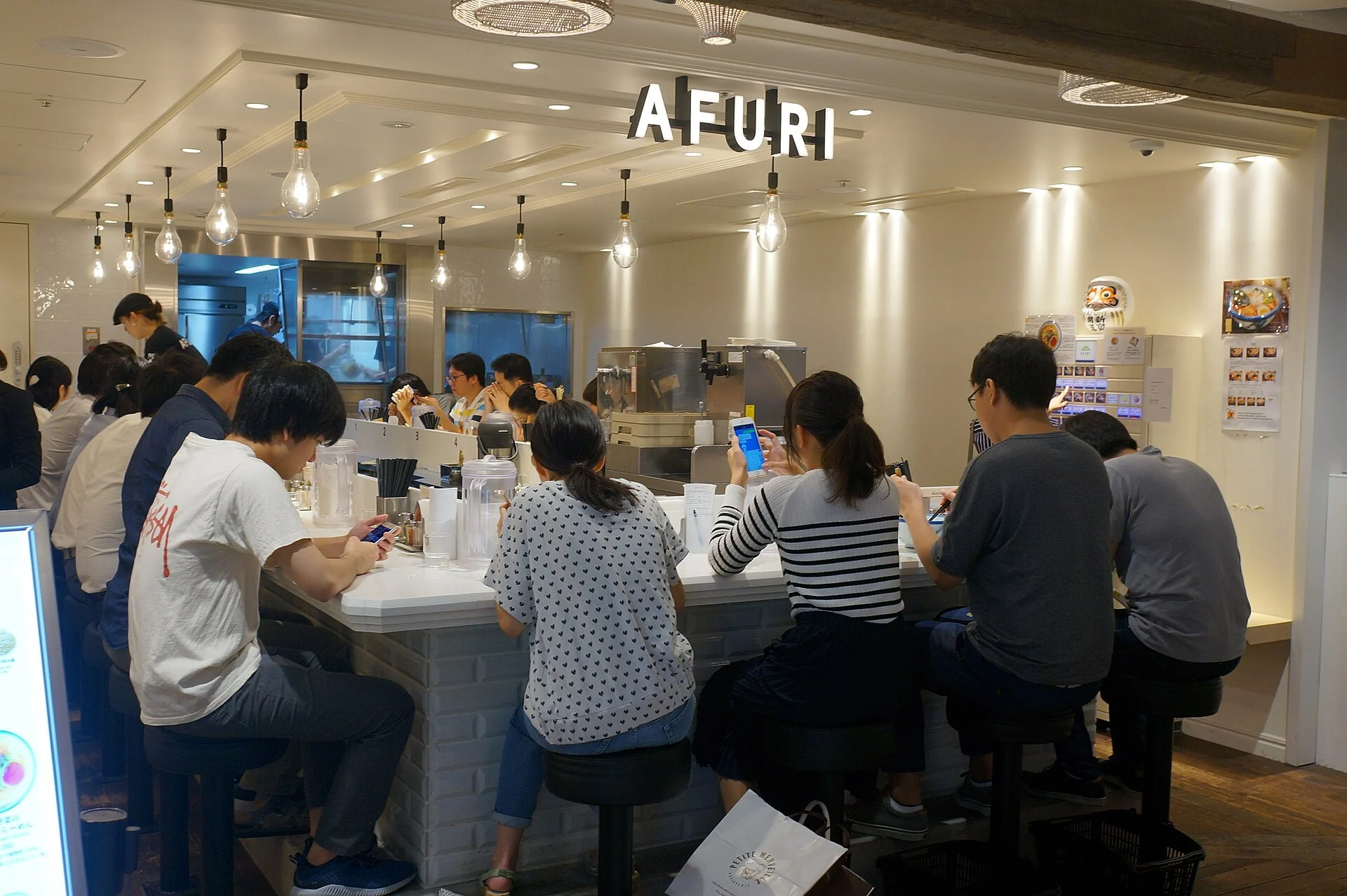
AFURI’s official menu offers yuzu shio ramen with chicken and dashi, as well as other preparations. It also lists a separate Rainbow Vegan Ramen; removing pork from the standard bowl does not make the standard soup vegan. Check the selected dish and branch availability.
The operator’s location list marks Shibuya Dogenzaka, Ebisu and Harajuku as fully cashless. Dogenzaka opens 11:00–23:00 Sunday–Thursday and 11:00–05:00 Friday/Saturday; Harajuku lists 10:00–23:00, and Ebisu 11:00–05:00, subject to soup availability. Match the branch to your walk: Harajuku after a morning in that area, Dogenzaka for Shibuya Station, or Ebisu for an Ebisu outing.
Ebisu is also an exception to the assumption that ramen cannot be booked. The operator announced reservations from September 2026; its linked TableCheck policy lists a ¥500 booking fee per person and separate ordering requirements. Read the current terms before deciding whether the convenience is worth it. We have not checked availability or made a reservation.
Shinbu Sakiya Shibuya: roasted-miso direction
For a miso-focused stop, compare Shinbu Sakiya’s current official menu and FAQ. Its Shibuya branch lists opening from 11:00 until 04:30 the next morning, extended to 05:30 on Fridays, Saturdays and holidays. The FAQ describes English on the ticket machine and payment by cash, transport IC and supported QR methods, with no credit cards.
The operator advertises vegan and gluten-free options, while also stating that cross-contact exists and declining guests with severe allergies. Treat the menu labels and that limitation together. The standard roasted-miso bowl and a specifically vegan order are separate choices; do not substitute one for the other.
Ichiran Shibuya: a tonkotsu option with a custom order sheet
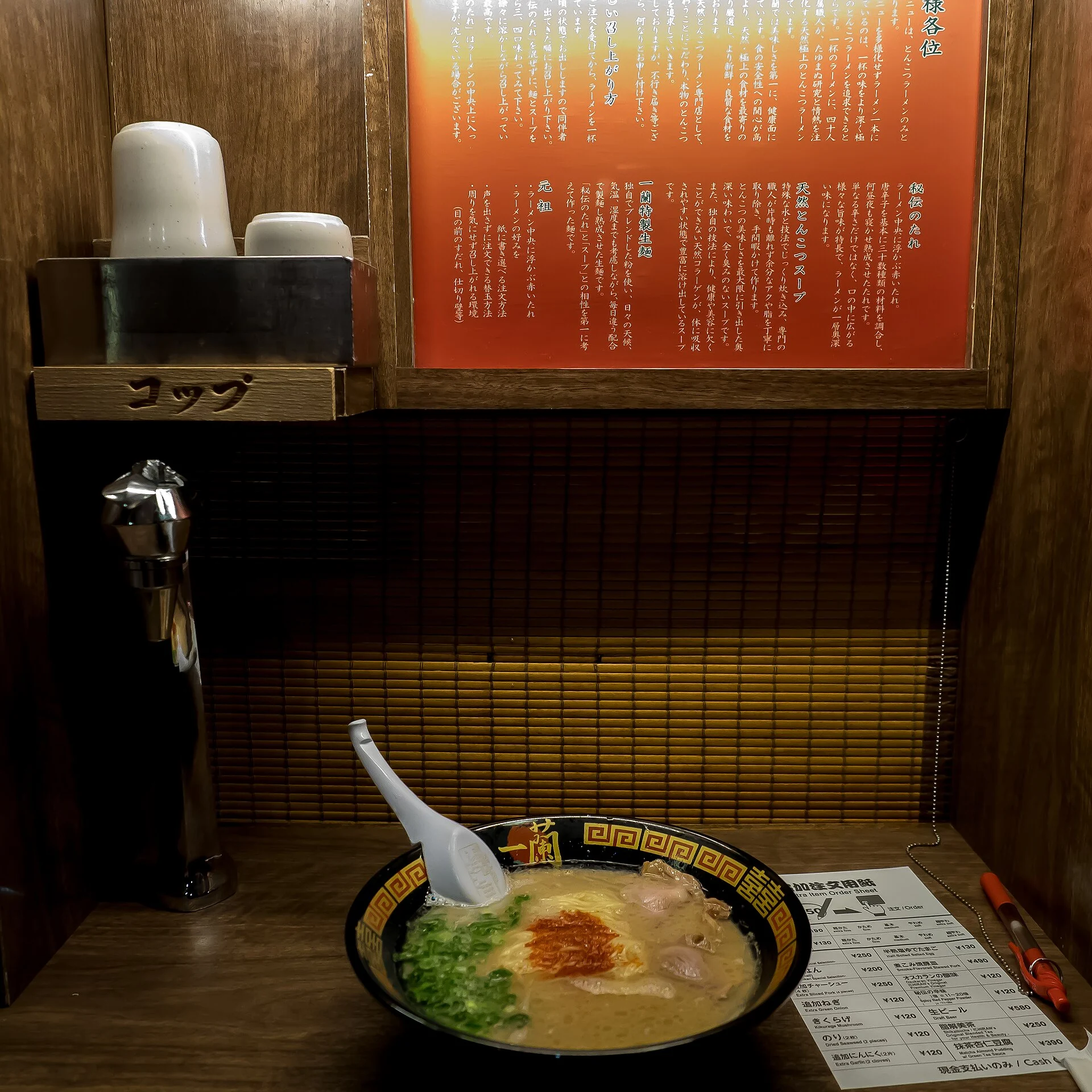
Ichiran’s Shibuya branch at 1-22-7 Jinnan is a basement location with individual counters rather than table seating. Its current page lists 24-hour opening and natural tonkotsu ramen. This is useful to compare when pork-bone soup and individual ordering appeal, but a familiar name does not establish a short queue.
The branch provides a visitor-instructions video with multilingual subtitles. Its order-sheet explanation describes choosing preferences; extra noodles are a separate order. Start with the shop’s standard choices if you are unsure, and adjust only what you understand. A full spicy option is not a requirement for a successful first visit.
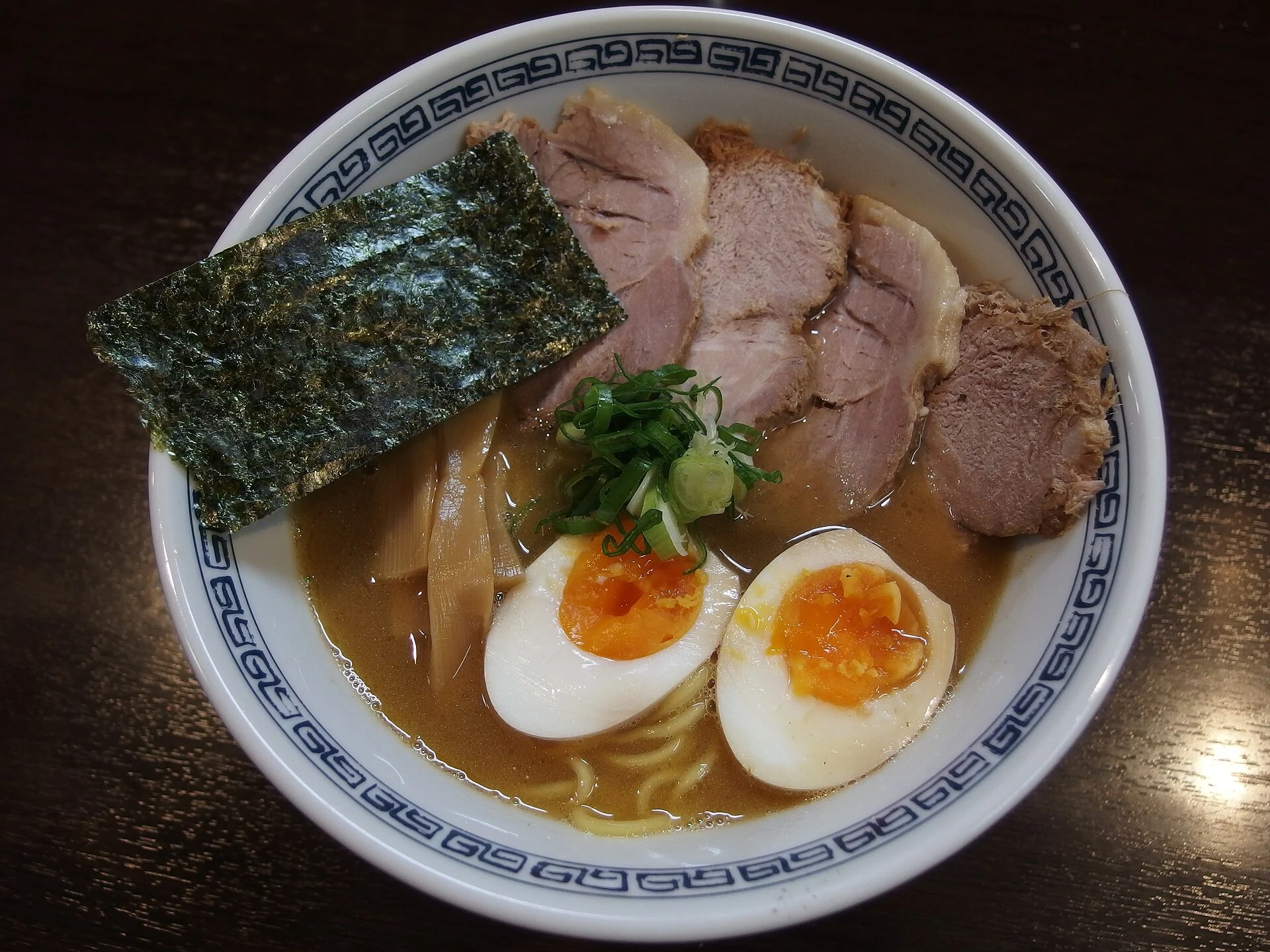
Plan the meal around the Shibuya places you want to see, rather than joining whichever line you encounter first. One clear choice and one backup leave more room for the crossing, shopping or a relaxed walk.
04 · FOLLOW YOUR SIGHTSEEING ROUTE
Other neighbourhoods to include in your ramen search
Tokyo Station: Rokurinsha and the right underground food street
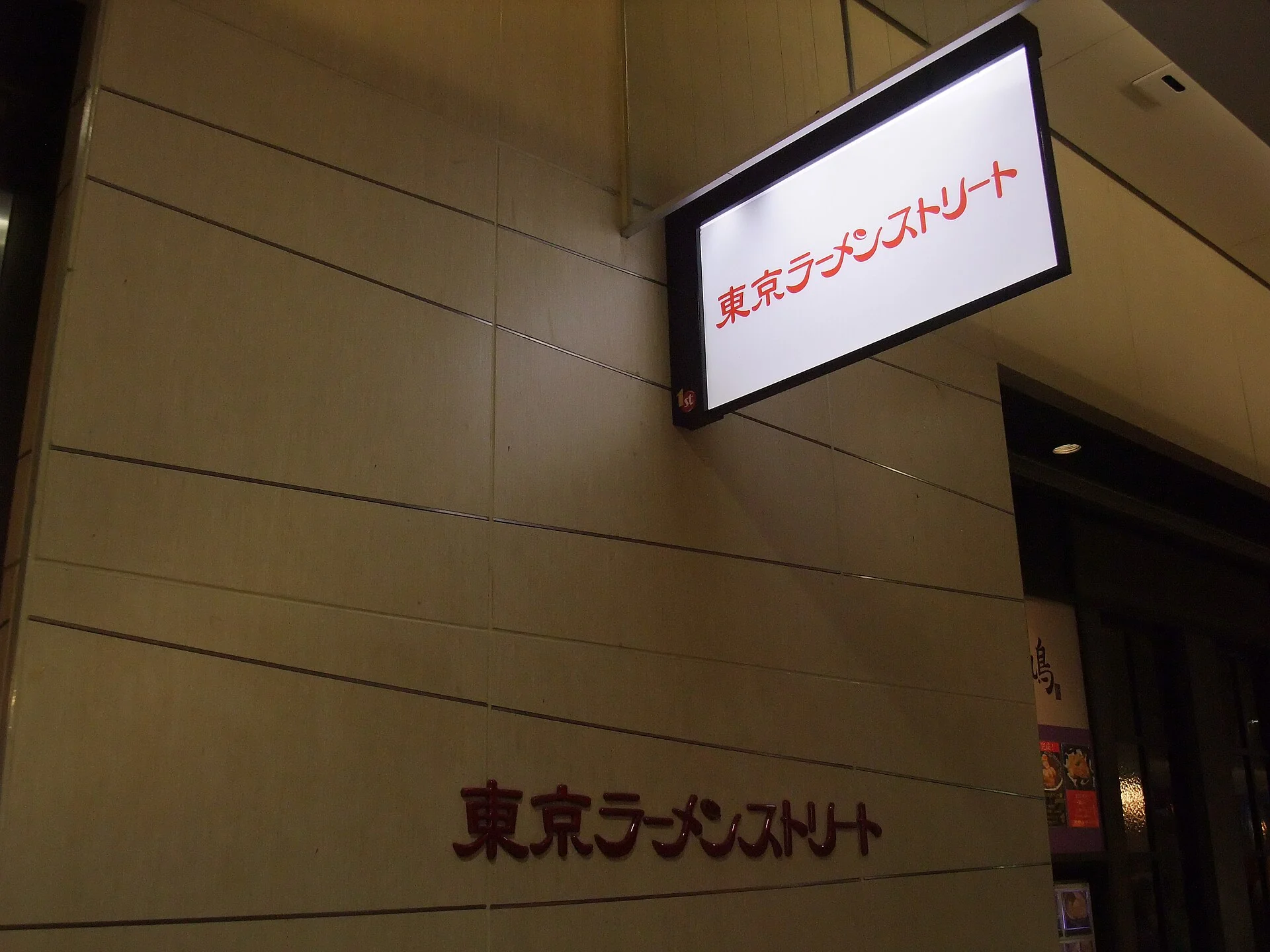
Rokurinsha at Tokyo Ramen Street is a dipping-noodle option on B1 of First Avenue Tokyo Station. Its listing separates breakfast service, 07:30–09:45 with last order 09:30, from the 10:00–23:00 service with last order 22:30. Morning “asatsuke” is a specific breakfast offer; do not assume every bowl in an old review is available then.
The same listing gives cash and transport IC as payment methods and warns that the queue can close before last order. First Avenue is outside the ticket gates on the Yaesu side. Do not buy a rail ticket just to find the food street, and leave a proper station-navigation buffer before a booked train.
Tokyo Ramen Street and Tokyo Ramen Yokocho are different places. Fuunji’s own branch list includes a Yokocho location; that does not put it in the same corridor as Rokurinsha. Save the exact branch address, not just the phrase “Tokyo Station ramen”.
Asakusa: Yoroiya for a shoyu-led meal
Yoroiya’s Japanese-style shoyu ramen gives you a soy-seasoned option when your day is in Asakusa. The restaurant explains a soup combining chicken, pork and seafood ingredients; it is not a vegetarian soup merely because it looks clear.
The shop’s visitor page lists 1-36-7 Asakusa, a morning ramen window 08:30–10:00 with last order 09:45, then 11:00–21:00 with last order 20:30. It also describes upstairs tables and family utensils, and says credit cards have been accepted since September 2025. Confirm access if stairs are an issue. Pair the meal with our Asakusa half-day route instead of crossing Tokyo solely for lunch.
Harajuku or Ebisu: choose the branch, not the ward name
A Harajuku ramen lunch can fit a Meiji Shrine and Harajuku outing. An Ebisu lunch is a separate neighbourhood choice. Both may appear in broad Shibuya searches, so a ward name alone is poor navigation. Save the Japanese branch name alongside your chosen address and show it when you need help.
05 · KEEP THE DETAILS TOGETHER
A Tokyo ramen shortlist you can use to plan a meal
These seven starting points cover different styles and sightseeing areas. Hours are checked operator listings, not guaranteed admission times. A shop may stop accepting customers before the advertised finish, and a regular schedule does not override a temporary notice.
| Branch and area | Why consider it | Useful planning check |
|---|---|---|
| Fuunji · Shinjuku main shop | Chicken-and-seafood dipping noodles; south side of Shinjuku Station. | 11:00–15:00 / 17:00–21:00; no reservations; closes if soup sells out. |
| Nagi · Golden Gai Honkan | Niboshi-led soup; Kabukicho/Golden Gai. | Listed 24 hours; small second-floor counter. Ask about access if needed. |
| AFURI · Shibuya Dogenzaka | Yuzu shio and other options; Shibuya Station area. | Fully cashless. Sun–Thu 11:00–23:00; Fri/Sat until 05:00. |
| Shinbu Sakiya · Shibuya | Roasted-miso direction; separately labelled dietary options. | 11:00–04:30; Fri/Sat/holidays until 05:30. Follow current ticket-machine instructions. |
| Ichiran · Shibuya | Pork-bone ramen and individual ordering. | Listed 24 hours; basement counters. Check the current menu and late-night charges. |
| Rokurinsha · Tokyo Ramen Street | Dipping noodles on the Yaesu side of Tokyo Station. | Breakfast and main service differ. Cash/transport IC; queue acceptance can finish early. |
| Yoroiya · Asakusa | Japanese-style shoyu alongside an Asakusa visit. | Morning service, then 11:00–21:00. Check the current menu and last order. |
Direct sources for the shortlist: Fuunji, Nagi, AFURI, Shinbu Sakiya, Ichiran, Rokurinsha, Yoroiya. The source links are for verification; TokyoVia has not reserved tables or purchased meals.
06 · FROM THE DOOR TO YOUR BOWL
Ticket machines, queues and ordering ramen in Tokyo
The ordering sequence is easy once you establish the shop’s sequence. Some places want you to buy a ticket before joining a line; others want you to wait until staff direct you. The useful first question is whether to queue or buy a ticket first. Follow the current sign or ask, rather than stepping past everyone because you read a general guide.
A simple ticket-machine sequence
- Check the menu while waiting. Pick the actual bowl name, a portion and any extras. A photograph of a deluxe bowl may show toppings absent from the basic order.
- Check payment before selecting. Look for accepted cash denominations, card or IC symbols. An overseas QR app is not automatically supported because some QR methods are listed.
- Make the purchase in the order shown. Some machines take money first, others ask you to select first. Use English if offered, or ask staff to identify the standard bowl.
- Collect everything. Take the ticket, receipt and change if issued. Keep a separate toppings ticket with your main ticket.
- Wait for seating instructions. Hand over the ticket when requested and state any preference before preparation begins.
This sequence expands on JNTO’s ordering guidance with a practical payment and queue check. It is a checklist, not a claim that every shop uses identical equipment. Some restaurants take orders directly or use a separate preference sheet.
How long should you wait?
Choose your own queue limit before joining. For example, a party with 90 minutes before its next commitment might reserve 20 minutes for walking and navigation, 30 for the meal, and 15 for uncertainty. That leaves 25 minutes for a queue. These are planning allowances, not observed service times or a prediction for any named shop.
If staff cannot confirm you will be seated before your deadline, use your backup. A queue of ten people does not reveal how many orders are ahead, the party sizes, or whether service has paused. Do not send one person to hold a place while the rest of the group shops unless the restaurant explicitly permits that arrangement.
At the counter: be ready without rushing
Keep a bag out of the aisle and ask where larger belongings can go. Take a quick food photograph if permitted, then enjoy the meal while it is ready. Avoid photographing other diners or the kitchen without permission. Once finished, make space for the next customer rather than treating a small counter as a cafe.
You can leave soup in the bowl; drinking every drop is not a requirement. There is also no need to perform an exaggerated slurp. The aim is to enjoy the food comfortably and follow the restaurant’s instructions. If you want a long conversation after lunch, choose a separate cafe afterwards.
Useful words on the menu
Ajitama refers to a seasoned egg; chashu to the meat topping; tokusei often marks a special or extra-topping version. Kaedama is an extra noodle serving at shops that offer it, not an automatic second bowl of soup. Confirm the picture and charge instead of assuming the same bundle everywhere.
Two useful questions are “Which is your standard bowl?” and “Do we buy a ticket before joining the queue?” For dietary questions, a written ingredient requirement is more reliable than a vague request for something “light”. Ask before paying; a ticket purchase is an order, not a promise that every modification is possible.
07 · PRICE THE MEAL YOU WILL ORDER
Ramen prices, dietary needs and travelling with a group
Compare the total order, not the lowest headline price
Separate the basic bowl from eggs, extra meat, noodles, drinks, booking charges and any late-night supplement. Two concrete examples from current operator menus show why this matters: Fuunji lists tsukemen at ¥1,000 and a seasoned egg at ¥150, giving a ¥1,150 example order; Ichiran Shibuya lists its basic tonkotsu at ¥1,180 and kaedama at ¥210, giving ¥1,390 before any other applicable charge.
These are dated menu examples, not a Tokyo-wide price range. Fuunji notes that products and prices can differ by branch; Ichiran Shibuya lists a late-night charge between 22:00 and 06:00. Check the live menu for your exact visit. For a group, agree on a per-person spending ceiling and whether extras come from that ceiling before approaching the machine.
Vegan, halal and allergy questions need a specific answer
Ask about the complete dish: stock, seasoning, oils, noodles, toppings and shared preparation. “No pork topping” does not answer whether the soup contains pork. “Shio” does not mean plant-based. A gluten-free noodle substitution does not establish that every sauce or shared utensil meets your requirement.
AFURI’s menu identifies a separate plant-based bowl. Shinbu Sakiya’s FAQ describes specific dietary options and cross-contact limitations. Contact the exact branch for a strict requirement and use its current ingredient information. We do not designate any unverified restaurant as halal-certified or allergy-safe, and a menu label is not a personal safety assessment.
Children, luggage and seating together
Tell the restaurant the actual party size, including children. Ask about the minimum order and seating arrangement before queuing if you need to sit together. Yoroiya describes family equipment and upstairs tables; Ichiran Shibuya lists counter seating with no tables. Those are different settings, even if both serve noodles.
With a stroller, large suitcase or limited stair tolerance, resolve access first. A photograph showing a spacious counter does not prove that today’s entrance or seating works for your group. If you cannot establish a workable arrangement, choose a more suitable meal setting rather than making the whole day depend on one shop.
08 · ONE BOWL, A BETTER DAY
Add a ramen stop to your sightseeing day
The following are editorial model routes starting from a Tokyo hotel. Times are generous activity blocks, not measured transfers, booking confirmations or opening guarantees. Check your date, the chosen branch and any separate attraction requirements before using them.
Model route: Harajuku and Shibuya, with one ramen lunch
| Suggested block | Plan | Keep it comfortable |
|---|---|---|
| 09:00–09:45 | Leave your Tokyo hotel and reach the Harajuku area. | Adjust this transfer block to your actual hotel and mode of travel. |
| 09:45–11:15 | Enjoy a Meiji Shrine/Harajuku walk that fits your interests. | Choose a shorter walk if you want more time for lunch; check current visitor access. |
| 11:15–12:30 | Lunch at AFURI Harajuku if its current menu suits the group. | The block includes a flexible wait and meal allowance, not a guaranteed seating time. |
| 12:30–13:30 | Browse the Harajuku streets or pause for a drink. | Do not add a second full ramen meal just to complete a list. |
| 13:30–15:00 | Continue to the Shibuya area for the crossing and your chosen shops. | Travel between the areas in the way that suits your walking range. |
| 15:00 onward | Return to the hotel or continue with one separately planned activity. | If lunch ran long, drop optional shopping rather than rushing the whole route. |
If your priority is Dogenzaka rather than Harajuku, move the ramen meal to Shibuya and choose between AFURI, Shinbu Sakiya and Ichiran by taste and requirements. Do not join three queues in an effort to sample all three. Use our Harajuku guide and Shibuya route to make the surrounding stops worthwhile.
Alternative: a Shinjuku lunch or an Asakusa day
For Shinjuku, start at your Tokyo hotel, allow time to reach the south side before Fuunji’s lunch window, then continue with a single Shinjuku sightseeing area. If you prefer Nagi, build the outing around Golden Gai/Kabukicho instead. Keep any garden visit conditional on the garden’s actual operating day; a ramen opening does not establish that an attraction is open.
For an Asakusa day, travel from your Tokyo hotel, explore Senso-ji and the surrounding streets, have a Yoroiya lunch if suitable, then continue toward the Sumida River at your own pace. If you also want a food-market morning, read our Tsukiji Outer Market guide and decide whether a full ramen lunch still matches your appetite. It may be better to spread those meals across two days.
When transport planning is useful
A ramen stop within one compact neighbourhood can fit naturally into an independent walk or rail outing. A private car may be worth discussing when your wider day combines distant areas, luggage, children or a shorter comfortable walking range. It does not replace a restaurant queue, guarantee a seat or automatically include a food guide.
For a broader trip, keep meals in proportion: a Mount Fuji day trip or Kamakura outing needs its own destination plan rather than a rushed return for a particular Tokyo ramen queue.
09 · BEFORE YOU GO
Tokyo ramen questions, answered
What ramen should I try on a first visit to Tokyo?
Choose by your appetite: a clear shoyu or yuzu shio if that sounds inviting, pork-bone tonkotsu for a different texture, or dipping noodles when you want the noodles to lead. There is no compulsory first bowl. Pick one that fits your ingredients, location and available time.
Is Ichiran better than a small independent shop?
That is a preference question. Compare the specific soup, ordering experience and branch with your alternatives. A large chain can be a perfectly reasonable personal choice; a tiny counter can be a memorable choice. Neither size nor social-media fame establishes which meal your group will enjoy.
Can I reserve ramen in Tokyo?
Sometimes, but policies differ. Fuunji says it does not accept reservations, while AFURI Ebisu has an operator-linked booking option with a fee and conditions. Check the restaurant’s own current policy, and distinguish a paid reservation from simply being listed on a review website.
Do ramen shops in Tokyo accept cards?
Some do and some do not. AFURI’s named branches above are cashless; Rokurinsha lists cash and transport IC. Shinbu Sakiya’s FAQ lists several payment methods but excludes credit cards. Carry an appropriate backup and check symbols at the exact shop.
Must I finish all the broth?
No. Enjoy the amount you want, follow the shop’s instructions and leave the counter when you finish. If you want to linger, make the next stop a cafe rather than keeping seats while a queue waits.
Can TokyoVia guarantee a particular restaurant or queue time?
No. A transport enquiry is not a restaurant reservation. Tell us which food stop interests you and what flexibility you have; any restaurant arrangements or separate guiding must be confirmed explicitly.
Official sources and editorial notes
Checked 26 October 2026. Reconfirm the exact branch and date before travelling. Where an older guide or directory differs, this article uses the operator’s current branch information. Queue budgets, comparisons and model routes are TokyoVia editorial planning, not measured waits, restaurant quotations or reports of personal visits.
- JNTO: stock, seasoning and general ramen etiquette
- JNTO Australia: ticket ordering and dining guidance
- Fuunji: soup, menu, exact branch, hours and no-reservation rule
- Fuunji: dated February 2026 temporary notice; not a permanent schedule change
- Nagi: niboshi and Golden Gai Honkan branch details
- AFURI: dishes and ingredients, including the separate vegan menu
- AFURI: branch addresses, opening windows and cashless notices
- AFURI: Ebisu reservation announcement, September 2026
- AFURI Ebisu: linked booking fee and policy
- Shinbu Sakiya: Shibuya hours, ordering, payment and dietary limitations
- Ichiran Shibuya: branch menu, hours, counters, charges and payment
- Ichiran: order sheet and extra-noodle system
- Rokurinsha: main/breakfast service, queue and payment guidance
- First Avenue Tokyo Station: access outside the Yaesu ticket gates
- Yoroiya: exact branch, hours, payment and family facilities
- Yoroiya: Japanese-style shoyu ramen ingredients